
In 1532, Spanish conquistador Francisco Pizarro captured Inca ruler Atahualpa in Cajamarca, Peru, leading to the fall of the Inca Empire. Before this event, Pizarro's brother Pedro noted that the Lord of Chincha was the only person besides the Inca carried on a litter, indicating his high status.
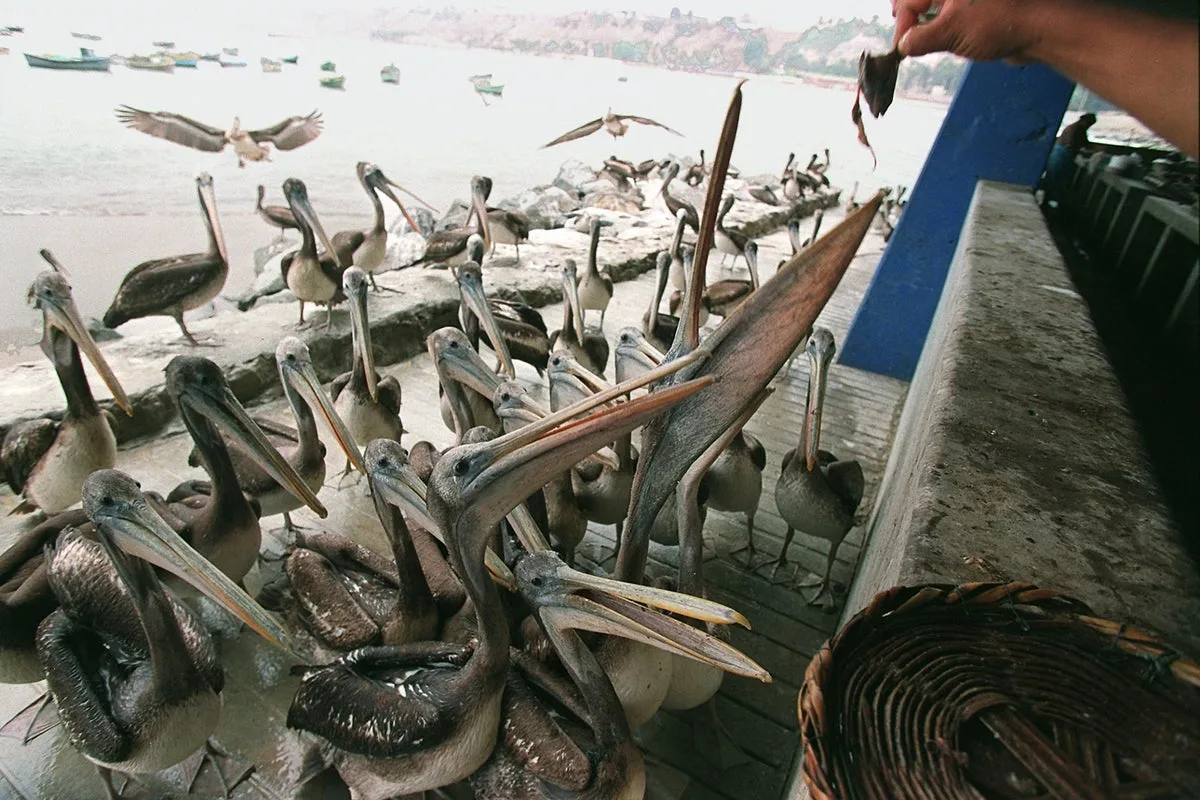
New research published in PLOS One suggests that the Chincha Kingdom's power may have stemmed from an unlikely source: seabird guano. The Chincha Valley in southern Peru lies near the Chincha Islands, which hold the largest guano deposits in the Pacific. Guano is a potent organic fertiliser rich in nitrogen and phosphorus, essential for plant growth.
The dry climate preserves guano, allowing it to accumulate. Researchers analysed 35 maize samples from Chincha Valley graves and found high nitrogen isotope values consistent with seabird guano fertilisation, dating back at least 800 years. This suggests guano boosted agricultural production, enabling the Chincha Kingdom (1000–1400 CE) to support an estimated 100,000 people.
The Chincha people revered seabirds and guano, as seen in their art depicting seabirds, fish, waves, and maize. This reflects their understanding of the ecological cycle: seabirds ate fish, produced guano, which fertilised maize, which fed people. Guano likely facilitated trade and economic expansion, with fisherfolk collecting it from the islands and distributing it to farmers and merchants.
The Chincha Kingdom eventually came under Inca rule in the 15th century, but its wealth and influence, partly derived from guano, may explain the Lord of Chincha's high status at Cajamarca.




