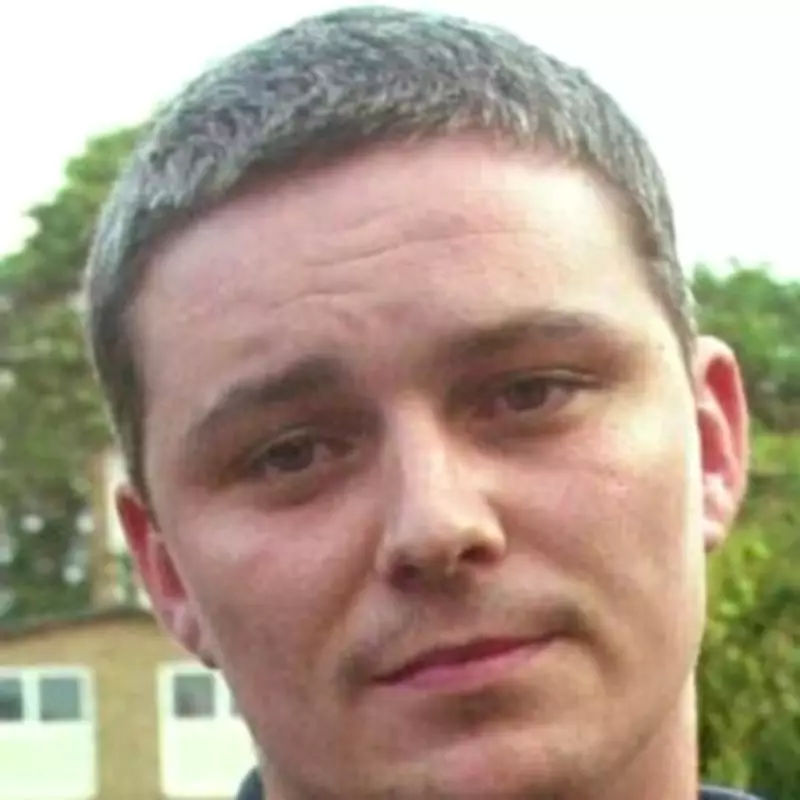
Even in death, the legacy of Ian Huntley continues to impose a significant financial burden on the British taxpayer, while his former partner Maxine Carr remains shielded by costly state protections. More than two decades after the horrific murders of Holly Wells and Jessica Chapman in Soham, Cambridgeshire, the expenses associated with these two figures have spiraled into millions of pounds, sparking outrage and debate.
The Cost of Protection and Secrecy
Maxine Carr, convicted in 2003 for perverting the course of justice by providing Huntley with a false alibi, was released from prison in 2004 after serving just 21 months. Following her release, she was granted a rare lifelong anonymity order by the High Court, deemed necessary to protect her from vigilante attacks due to the notoriety of the case. This order has enabled her to live under a new identity, with police protection and multiple relocations to at least ten different safe houses across the country.
Providing this extensive protection has reportedly cost taxpayers around £2.5 million since her release, with annual expenses estimated at up to £500,000. Carr has rebuilt her life in secrecy, including getting married in 2014 and having a son, all while undergoing cosmetic procedures such as dental work and a breast reduction surgery, the latter approved on the NHS for mental health reasons at a cost of thousands.

Public Outcry Over Expenditure
Matthew Elliott of the TaxPayers' Alliance has condemned the use of public funds for Carr's upkeep, stating, "This is disgusting. Why should hard-working families foot the bill for this woman's plastic surgery? Taxpayers' money is meant to be spent on people who need and deserve help, not on criminals who never spared a thought for wider society when they committed their crimes." This sentiment echoes widespread frustration over the allocation of resources in such high-profile criminal cases.
Huntley's Final Expenses
Ian Huntley, convicted of the double murder and serving a life sentence, died recently following a brutal prison attack. His passing has introduced new costs, as no family members have come forward to claim his body. Under public health rules, if no one claims a deceased individual, authorities must arrange a cremation, with prisons offering to contribute up to £3,000 towards reasonable funeral expenses.
Former Met superintendent Nusrit Mehab explains, "If nobody claims the body, then the prison service and local authority will arrange it, depending on where he's from. So that will be a low-cost funeral or cremation—on the taxpayer." Huntley is expected to be cremated at a secret location in a £3,000 service funded by the state, with his ashes potentially scattered by the local authority or stored as unclaimed to avoid public attention.
Family Reactions and Security Concerns
Huntley's daughter, Samantha, has expressed disgust at the idea of a funeral, stating, "He shouldn't have the dignity of a funeral and grave. I will not be going. A funeral is pointless for a man like him." She fears that any resting place could attract "freaks or weirdos" showing twisted respect. Similarly, Huntley's ex-partner Katie opposes a grave, citing the brutality of his crimes.
Security concerns remain high, as Mehab notes that any funeral would require a private burial in an undisclosed location with minimal attendance to prevent public unrest. Huntley's mother, Lynda Richards, visited him secretly after the attack but reportedly hopes he does not survive, highlighting the complex emotional toll on those connected to him.
Broader Implications and Ongoing Debates
The financial and ethical implications of this case continue to resonate, raising questions about the cost of protecting individuals involved in high-profile crimes and the responsibilities of the state in handling their remains. With estimates of total taxpayer expenditure running into millions, this situation underscores the lasting impact of the Soham murders on public resources and societal values.
As the details unfold, the debate over how to balance justice, security, and fiscal responsibility remains heated, with many calling for greater scrutiny of such expenditures in the future.