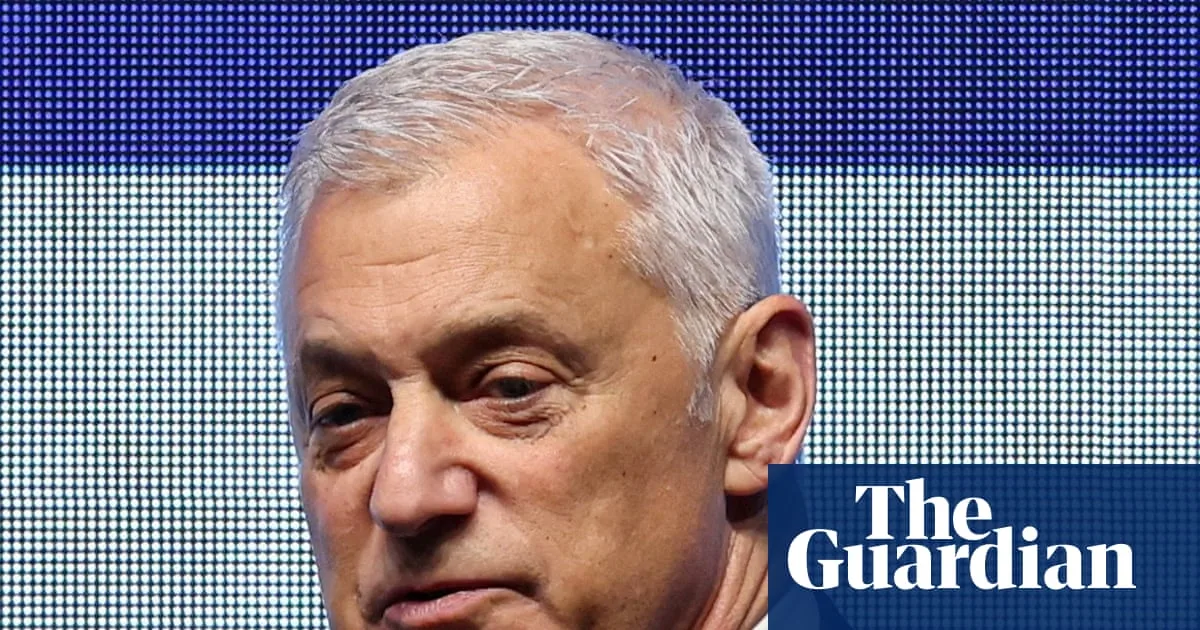
Bill Winters, chief executive of Standard Chartered, has apologised for referring to some of the nearly 8,000 employees set to lose their jobs to artificial intelligence as “lower-value human capital”. The apology came after a backlash over comments made earlier this week as the London-headquartered bank outlined plans to cut about 7,800 back-office roles, primarily due to AI.
“It’s not cost-cutting,” Winters had said. “It’s replacing in some cases lower-value human capital with the financial capital and the investment capital we’re putting in.” Following negative reactions, Winters posted on LinkedIn on Friday, saying: “I said that lower-value roles are more vulnerable to automation, and that we have a responsibility to help colleagues move into higher-value roles. That is what a responsible employer should do.”
After further criticism, Winters returned to LinkedIn to offer an apology: “I have received a lot of support for the messages in my previous post but still get questions about my choice of words, which I know has caused upset to some colleagues. For that I am sorry.” He then provided the full transcript of his earlier remarks, hoping it gave a “better understanding” of his point and his desire to “help them to cope with the accelerating pace of change in our industry”.

Many commenters remained critical. One wrote: “I’m struggling to see the difference between what you said and what is written. This was either a poor choice of words or an honest belief that came out as intended.” Another said: “Your comments were utterly disgusting. You should be ashamed of yourself for committing them to a post.”
Standard Chartered intends to cut 15% of its more than 52,000 back-office roles by 2030. The most affected roles will be in back-office centres in Chennai, Bengaluru, Kuala Lumpur and Warsaw. The cuts, alongside higher shareholder return targets, come as the bank nears the end of a decade-long transformation from a potential takeover target to a steadily profitable lender.