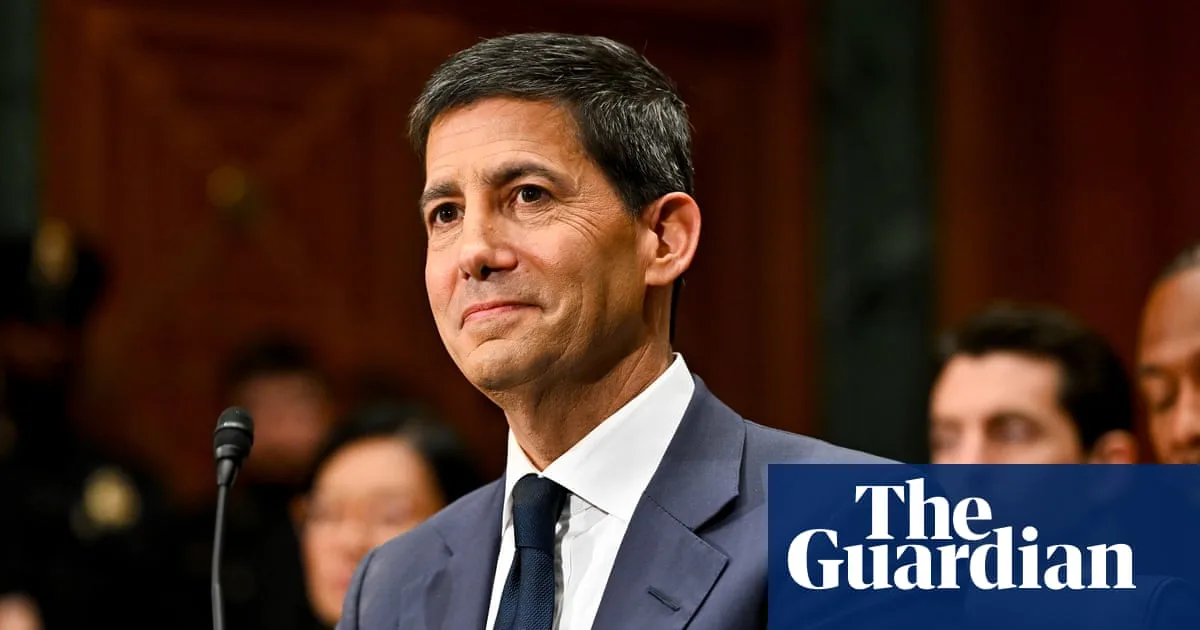
The Senate has confirmed Kevin Warsh as the next chair of the Federal Reserve, ending months of pressure by President Donald Trump on the central bank's current leader, Jerome Powell, to step down. Warsh cleared a key procedural vote on Monday before his final confirmation on Wednesday, passing 54 to 45.
Republican Senator Thom Tillis of North Carolina, who sits on the Senate Banking Committee, had initially opposed Warsh due to Trump's campaign to force Powell out. That campaign included a Department of Justice investigation into Powell over renovations at the Fed's headquarters. Tillis called on Trump to end the probe before he would support Warsh. The DOJ dropped the case in late April, clearing the way for Tillis to join his fellow Republicans in backing the nominee.
Powell Vows to Stay
Jerome Powell, who has led the Fed since 2018, issued a statement indicating he would remain on the Board of Governors until his full term ends. He has criticized the attacks on the institution, warning that they risk undermining the Fed's ability to conduct monetary policy independently of political factors.
Speaking to reporters on April 29, Powell said: "I worry that these attacks are battering the institution and putting at risk the thing that really matters to the public, which is the ability to conduct monetary policy without taking into consideration political factors."
Warsh's Independence Questioned
During his confirmation hearing, Warsh stressed that Trump did not ask him to commit to interest rate cuts. "The president never asked me to commit to interest rate cuts... He didn't ask for it, he didn't demand it, he didn't require it, and nor would I have done so," Warsh stated.
He emphasized the importance of the Federal Reserve's independence from the White House, a stance that Tillis highlighted as a reason for his eventual support. Economists have warned that eroding the Fed's independence could lead to economic turmoil, as decisions would be driven by political convenience rather than sound economic models.
Tillis's Change of Heart
Tillis had previously told reporters he would keep his opposition in place until the DOJ ceased what he called a "bogus" investigation against Powell. After the DOJ dropped the case, Tillis said: "We worked a lot over the weekend to make sure that we were very clear that we have assurances from the DOJ that I needed to feel like they were not using the DOJ as a weapon to threaten the independence of the Fed."
Despite his initial concerns, Tillis acknowledged Warsh's qualifications, telling him during the hearing: "You have extraordinary credentials. They're impeccable."
Trump's Dispute with Powell
Trump's conflict with Powell centers on interest rates. The president has repeatedly called for lower rates, arguing that they are hindering economic growth. He has derided Powell as "Too Late" on social media. Powell, however, has warned that Trump's tariff agenda—which was later struck down by the Supreme Court—caused the inflation that makes him hesitant to cut rates.
The DOJ is not bound by its decision to drop the case against Powell and could theoretically revive it in the future, leaving the door open for further political pressure on the Fed.