Romania is reeling from allegations of high-level corruption within its justice system, following a documentary that exposed an alleged network of senior magistrates and politicians manipulating cases to delay convictions. The fallout has plunged the judiciary into what one judge describes as the worst crisis in her 26-year career.
Documentary Sparks Protests
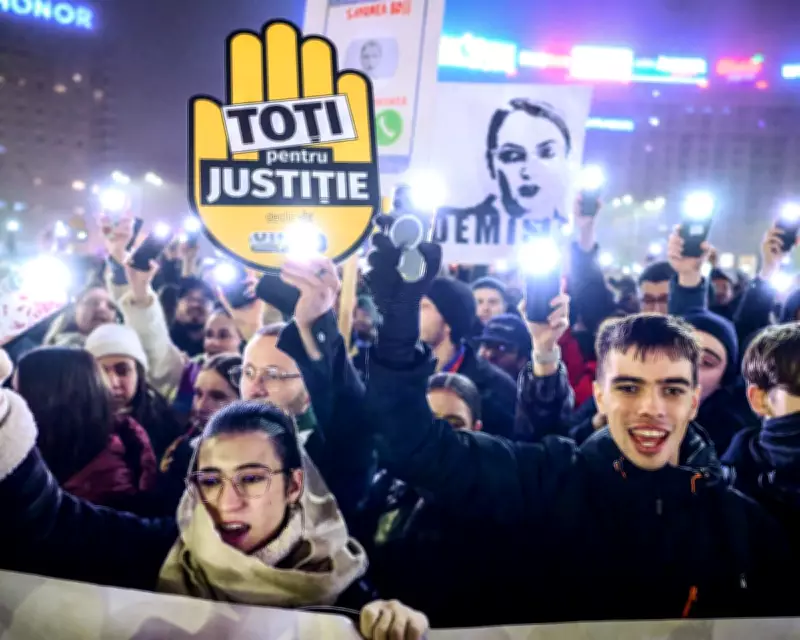
In December, Romanian outlet Recorder released a documentary featuring rare testimonies from prosecutors and judges, claiming that a network used administrative maneuvers to delay high-level corruption cases until they reached the statute of limitations. The film led to thousands taking to the streets and nearly 900 judges and prosecutors signing an open letter warning of systemic dysfunctions.
During a press conference at the Bucharest Court of Appeal, Judge Raluca Moroșanu broke ranks with court leadership, stating, “We are simply terrorised. I can’t describe the atmosphere here, how toxic and tense it has become.” Her colleague, who appeared in the documentary, was later referred for disciplinary proceedings.

Mounting Allegations
Last month, investigative outlets Rise Project and PressOne alleged that Lia Savonea, now head of the Supreme Court, had acquitted a convicted gangster while co-owning land with his uncle 12 years ago, a potential conflict of interest she did not declare. Savonea denied the allegations, calling them part of a “defamation campaign” and stating that no wrongdoing was found upon verification.
President Nicușor Dan further deepened public disillusionment by approving controversial prosecutor appointments, including Marius Voineag, a former anti-corruption head accused in the documentary of intervening in sensitive investigations. Voineag denied wrongdoing.
Systemic Crisis
The crisis unfolds against a backdrop of institutional mistrust, exacerbated by the annulment of the 2024 presidential election due to alleged Russian interference. A survey this year found that seven in 10 Romanians distrust the justice system, and over half believe the law is not applied equally.
Anti-corruption expert Laura Ștefan of Expert Forum said, “The justice system is in a deep crisis caused by groups within high-level courts taking over administrative management power.” Recorder journalist Andreea Pocotilă claimed cases were repeatedly reassigned to new panels just before rulings, forcing restarts until cases became time-barred.
Accountability Lacking
Successive reforms have left no effective mechanism to prosecute corrupt magistrates, with accountability efforts yielding few convictions. Former council member Andrea Chiș argued that reforms concentrated power in court leadership, weakening oversight. The EU lifted its rule-of-law monitoring mechanism, which Chiș called a mistake: “It took away the pressure from those in power.”
Savonea rejected allegations, stating they rely on “speculative interpretations” and that the judicial system meets European standards. Arsenie, head of the Court of Appeal, accused journalists of “instigation against the constitutional order.”
Public Anger
Protester Raluca Kișescu, a marketing consultant, said, “A democracy without justice is a story with a tragic ending.” Since speaking out, Moroșanu has been recused from two cases but does not regret her actions. “There’s still a chance that things might change if something happens this year, but if nothing changes now, things will never change,” she said.