The Royal Settlement That Sparked Enduring Controversy
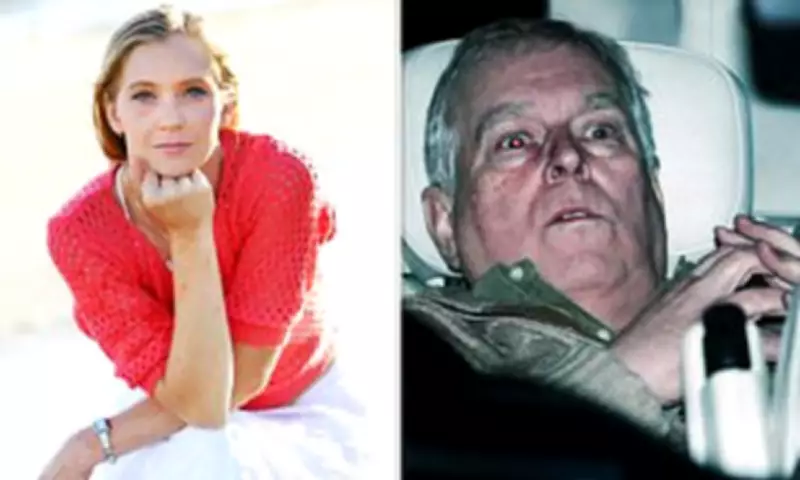
During the early months of Queen Elizabeth's Platinum Jubilee celebrations in 2022, her second son, Prince Andrew, found himself embroiled in a deeply troubling legal predicament. A lawsuit filed against the then-Duke of York by Virginia Giuffre, an alleged victim of Jeffrey Epstein, had been progressing through the United States court system for several months. The case centered on explosive allegations that Giuffre, at just seventeen years old, had been trafficked globally for three sexual encounters with the middle-aged royal—claims that Andrew vehemently denied.
Averting a Blockbuster Trial
Prince Andrew assembled a formidable legal team to contest what he described as a baseless claim, petitioning the New York court to dismiss the case entirely. However, the presiding judge rejected this motion, ruling instead that the matter should proceed to a full jury trial. This decision set the stage for a sensational courtroom drama, where both Giuffre and the prince would face intense scrutiny regarding their private lives and sexual histories under the relentless glare of international media coverage.
For Andrew, who had consistently maintained—despite photographic evidence suggesting otherwise—that he could not recall ever meeting his accuser, this development represented a moment of extreme peril. He was scheduled to undergo at least two full days of rigorous cross-examination. Buckingham Palace viewed this prospect with understandable horror, fearing the potential damage to the monarchy during the Queen's historic jubilee year.

Then, on February 15, 2022, the crisis suddenly dissipated. Prince Andrew announced an unexpected out-of-court settlement with Virginia Giuffre, thereby averting the trial and preserving the jubilee celebrations. Yet, controversy has persistently shadowed this settlement, with critics characterizing it as what one Member of Parliament recently termed a grubby back-room deal involving up to £12 million in alleged hush money paid to silence a victim of sexual abuse.
The Mysterious £12 Million Figure
The precise terms and financial details of the settlement remain officially undisclosed, with inquiries to both royal press officers and Giuffre's representatives consistently going unanswered. The widely cited £12 million figure first emerged in a Telegraph report published shortly after the deal was announced. This article suggested that Queen Elizabeth had contributed a portion of the sum using income from her private Duchy of Lancaster estate, which had recently increased by £1.5 million to over £23 million annually.
However, the accuracy of this amount remains speculative. Media reports have presented conflicting estimates:
- The Sun reported in August 2022 that the actual settlement might be far less than £12 million, potentially as low as £3 million.
- The Times indicated in early 2023 that while initial estimates hovered around £10 million, insiders later suggested the total was closer to £3 million.
- Despite these lower figures, many outlets have recently reverted to referencing the original £12 million amount.
The breakdown of any payment—between compensation for Giuffre, donations to her charity, and legal fees—remains equally opaque. It is possible that the settlement involved immediate payments supplemented by instalments, though no official confirmation exists.
Funding the Settlement: Royal Financial Mysteries
Prince Andrew's personal wealth has long been shrouded in mystery. An acquaintance once likened him to a hot air balloon, floating in rarefied circles without visible means of support. Throughout the 2000s, he maintained an extravagant lifestyle featuring extensive staff, global travel via private jet, luxury watches worth hundreds of thousands, and a collection of high-end vehicles including a green Bentley.
Yet his official income sources appeared modest: a Navy pension of approximately £20,000 and a £249,000 annual stipend from the Queen before his retirement from royal duties. This financial profile hardly suggested an ability to access millions for legal settlements.

Andrew has pursued a discreet career as a professional fixer, leveraging royal connections to facilitate business dealings in regions where personal networks hold significant commercial value. He also maintained relationships with wealthy benefactors, including offshore banker David Rowland and convicted sex offender Jeffrey Epstein—connections now under scrutiny by Scotland Yard.
Asset Liquidation and Royal Assistance
At the time of the settlement, reports indicated Andrew intended to meet his obligations by selling his Swiss ski chalet in Verbier. However, this sale had not been completed when the Giuffre deal was reached, and the property was reportedly burdened with mortgage debt that would limit proceeds.
Further complications arose from the chalet's purchase history. Andrew and his ex-wife Sarah Ferguson originally acquired Chalet Helora for £18 million but paid only £13 million upfront, with the remaining £5 million plus interest payable in instalments. By 2021, this debt had ballooned to £6.8 million, prompting legal threats from the seller, who eventually settled for £3.4 million amid concerns about the couple's financial situation.
Andrew's other significant asset, Sunninghill House, was sold in 2007 for £15 million—£3 million above the asking price—to a Kazakh associate. Proceeds from this sale partially funded the ski chalet purchase and likely addressed debts from the £7.5 million renovation of Royal Lodge in 2003.
The Bank of Mum and Dad: Royal Financial Support
Widespread reports in February 2022 suggested Queen Elizabeth contributed substantially to the settlement. Recent claims indicate her contribution amounted to £7 million, possibly structured as a loan that remains outstanding. Additionally, Prince Philip's estate allegedly funded £3 million of the settlement. Philip's will, sealed for 90 years per royal convention, has sparked controversy, with legal challenges by The Guardian failing to unlock its contents.
Speculation also surrounds King Charles's involvement. Some reports claim he provided £1.5 million toward the settlement, again as a loan. However, friends of the King have denied any financial contribution, stating Charles wanted nothing to do with it and had no agency during the agreement's formulation.
A more nuanced narrative suggests the settlement involved instalment payments, with at least one portion remaining unpaid when Queen Elizabeth died in 2022. Although not party to the original deal, Charles reportedly felt obligated to honour his mother's commitment, though the exact amounts and funding sources remain confidential.
Taxpayer Implications and Financial Grey Areas
In response to a Freedom of Information request in summer 2022, the Treasury stated unequivocally that no public money was used to pay Prince Andrew's legal or settlement fees. However, royal finances inhabit murky territory where personal wealth intersects with duchies and grants that some argue ultimately belong to the nation. This semantic ambiguity lies at the heart of the ongoing controversy surrounding Andrew's settlement.
The Aftermath: Giuffre's Estate and Andrew's Current Situation
Tragically, Virginia Giuffre took her own life in April 2023, shortly after separating from her husband of 22 years. With no valid will, a legal battle over her estate is unfolding in Australian courts, involving her two sons and claimants alleging verbal appointments as executors. Initial court documents suggested her net worth was less than A$472,000 (£350,000), though this figure represents a legal threshold rather than precise valuation.
Much of Giuffre's compensation was reportedly directed into the Witty River Family Trust, established in 2020 and co-directed with her estranged husband. This trust also held settlements from Ghislaine Maxwell and JP Morgan's £215 million payout to Epstein's victims.
Regarding Andrew's promised substantial donation to Giuffre's charity, confusion persists. The intended recipient, Victims Refuse Silence, had been defunct for years and lost its charitable status in 2023. Giuffre's subsequent organization, Speak Out, Act, Reclaim (SOAR), remains unregistered with the IRS and is not currently accepting donations despite maintaining an active website.
Prince Andrew's current circumstances reflect a dramatic fall from grace. Recently relocated from Royal Lodge to Wood Farm on the Sandringham estate, he is scheduled to move to Marsh Farm in April. Stripped of royal titles and privileges, his household now consists of just one valet-house manager and one cook. His social circle has dwindled to lawyer Gary Bloxsome—nicknamed Good News Gary for his optimistic briefings—along with horses and dogs including the late Queen's corgis.
As Andrew's life continues to unravel, the fundamental questions surrounding his settlement persist: Who ultimately funded it, how much was actually paid, and what were the precise terms? Transparency on these matters might finally dispel the lingering stench of hush money that continues to tarnish royal reputations.