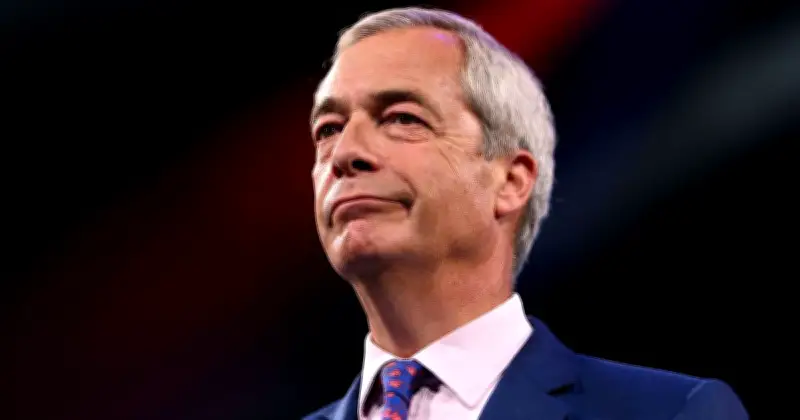
Nigel Farage has said he “angrily rejected” offers of “peerage and knighthood” ahead of the 2019 UK general election. In a new Substack essay published today, the Reform UK leader discussed what he described as the political establishment's betrayal of Brexit voters.
Alleged Offers During Candidate Talks
Although he did not identify who made the alleged offers, Mr Farage said the offers were made during discussions over whether his Brexit Party - now renamed Reform UK - would stand candidates against the Conservatives. He said he ultimately chose not to stand candidates regardless. The Reform UK leader explained in his essay that this was “out of principle, not for gain”.
Decision to Stand Down Candidates
In the essay, Mr Farage wrote: “I was going to put the country, and Brexit, first. Offers of peerages and knighthoods were made to me. I angrily rejected them. I stood down Brexit party candidates in the 317 seats the Conservatives won in 2017 out of principle, not for gain.” This decision was widely seen as helping Boris Johnson secure a parliamentary majority and deliver Brexit.

He added: “I focused instead on ripping away chunks from the Labour vote.” Mr Farage also warned at the time that voters would criticise any prime minister who failed to honour promises to leave the European Union. He continued: “Even still, this came with a warning: 'We are going to keep saying: remember, you told us we were leaving… [Boris] will know, just as Mrs May’s vote disappeared in the European elections of this year, the same will happen again if a British prime minister breaks firm commitments and promises made to the British people'.”
Nerves on Referendum Night
Earlier in his essay, Mr Farage also detailed the nerves he experienced prior to the closing of referendum polls. He wrote: “I’ve lived an eventful life. I’ve been hit by a car, sat in a plane as it crashed into a field, and watched the wheel come off my car as I drove it on the motorway. Even so, I don’t think there are many times when I’ve been as nervous as I was when the polls closed and the referendum vote was counted. I thought we’d lost. I remember saying as much to my colleagues - and being sternly told off for my pessimism. I’ve never been happier to be wrong. Little did I know what was to follow.”