
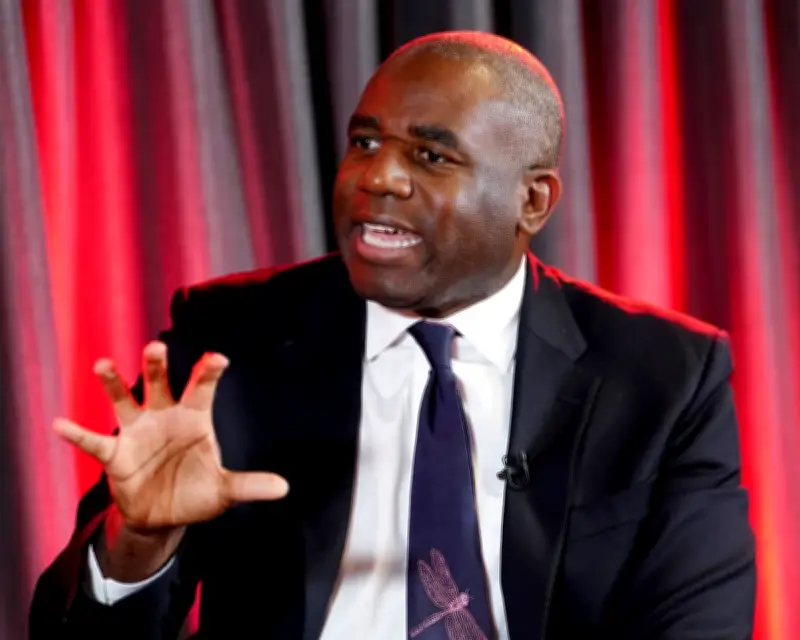
David Lammy's proposed changes to the criminal courts in England and Wales could have a 'far-reaching' impact on race relations, according to a cross-party committee of MPs. The justice select committee expressed concerns that removing the right to elect for a crown court trial 'has the potential to increase mistrust in the criminal justice system among the black community,' as black defendants are more likely to elect for trial.
Key Findings from the Report
The report, released on Wednesday, calls for a 'clear national target' for the number of black members of the senior judiciary, noting that only 1% of crown court judges are black—a figure unchanged since 2015. Andy Slaughter, chair of the committee and a Labour MP, stated: 'The committee shares the significant concerns of many in the justice sector around the potential equality impacts of the bill, particularly in relation to race.' He added that the government must set a target to achieve a representative judiciary and magistracy by 2035.
Impact on Defendants
The 109-page report examines Lammy's proposal to remove the right to elect for crown court trials in 'either-way' cases, such as theft, actual bodily harm, and burglary. It references the 2017 Lammy review, which found that juries are one of the few areas where black and ethnic minority defendants do not face disproportionate outcomes. In 2022, 26% of black defendants elected for trial in the crown court, compared to 19% of mixed ethnicity, 17% Asian, and 15% white defendants.
The report warns that 'the removal of the right to elect has the potential to increase mistrust in the criminal justice system among the black community' and echoes concerns about the bill's equality impacts being 'far-reaching.'
Magistrates Recruitment Concerns
The committee also questioned whether magistrates' courts can cope with the increased caseload and deemed the target of 21,000 magistrates by 2029 'unrealistic.' Past recruitment campaigns have fallen short, and retention remains a challenge.
Lammy announced the plans in December, aiming to move thousands of trials from juries to judges and magistrates. The government faces discontent from its own ranks, including 38 MPs who signed a letter urging the prime minister to reverse the plans.
A Ministry of Justice spokesperson defended the reforms, stating they are necessary to reduce the backlog and protect jury trials for serious crimes, while recruiting more magistrates and judges from diverse backgrounds.




