Los Angeles Artist Judy Baca Denies Allegations of Misusing $5 Million Non-Profit Grant
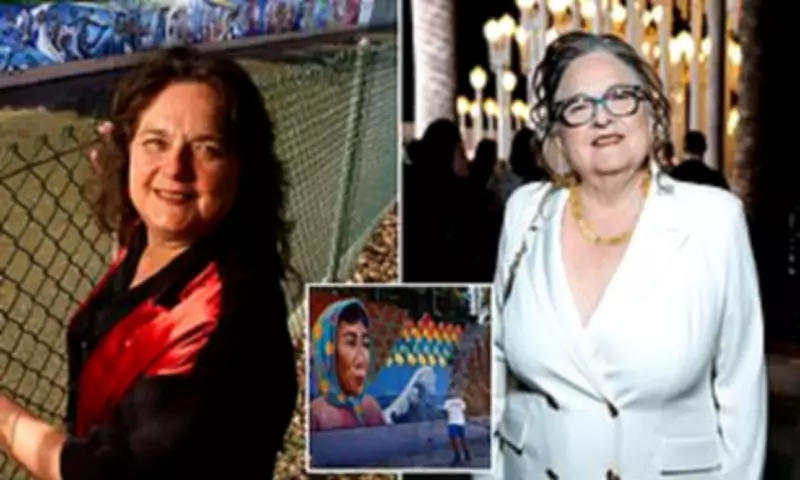
Judith Baca, a 79-year-old renowned Los Angeles artist, has firmly denied accusations that she used funds intended for her non-profit organisation for personal benefit. The allegations were made by ten former employees of the Social and Public Art Resource Center (SPARC), who claim Baca misappropriated a $5 million grant from the Mellon Foundation.
Background on the Great Wall of Los Angeles and the Grant
Baca is best known for creating The Great Wall of Los Angeles, one of the city's most iconic collaborative public artworks. This sprawling 2,754-foot mural, painted between 1974 and 1984 in a floodwater channel in Valley Glen, vividly depicts Southern California history from 20,000 BC to the 1950s. After a long hiatus, work resumed in 2017 to update the mural with modern history. In 2021, the Mellon Foundation awarded a $5 million grant over three years to support this expansion, aiming to preserve and activate the mural through civic engagement and muralist training.
Allegations from Former Employees
The group of disgruntled ex-employees, including two managers, Pete Galindo and Carmen Garcia, alleged to the Los Angeles Times that Baca diverted grant money to her private art company, Judy Baca, Inc. Galindo, former director of SPARC's Great Wall Institute, and Garcia, a short-term SPARC director, claimed Baca recruited staff to work on projects for her private company, paying them with SPARC and grant funds. Garcia resigned after being forcibly removed from headquarters for raising concerns, while Galindo was fired in 2022.

Specific Incidents and Responses
Text messages obtained by the Times show Baca asking Galindo for help with termite issues and a UCLA mural, tasks he said were outside his duties. Baca, a longtime UCLA professor, countered that the UCLA mural was reallocated to SPARC, with both the organisation and herself being paid. She also noted she had brought numerous unpaid commissions to SPARC over the years. Former digital mural artist Toria Maldonado alleged Baca blurred lines between mural work and private projects, such as paying SPARC to redraw a mural section for a private collector. SPARC representatives called these claims factually inaccurate.
Salary Concerns and Non-Profit Mission
Employees also raised issues about Baca's salary, which reportedly tripled after the grant, from $50,000 to $215,000 annually. SPARC defended this, stating it was below market rates for non-profit CEOs and Baca's commissioning value. The organisation's mission focuses on producing activist art through participatory processes. Baca and SPARC have denied all allegations, attributing them to employee dissatisfaction, and expressed hope to complete the mural updates by the 2028 LA Olympics without further conflict.