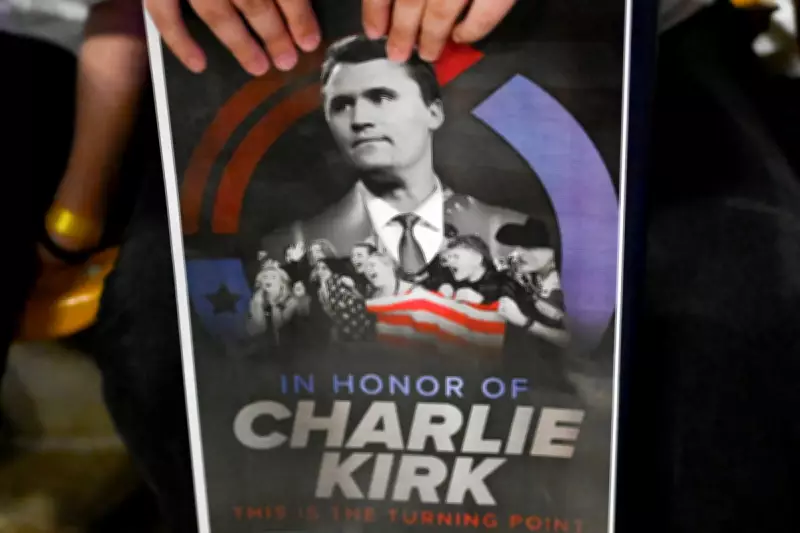
Lawyers for the man accused of killing Charlie Kirk are set to argue Tuesday for closing portions of a key hearing and sealing some evidence, after a judge previously rejected their request to ban news cameras from the courtroom.
Background of the Case
Tyler Robinson, 23, faces charges including aggravated murder in the September 10 assassination of the conservative activist at Utah Valley University. Prosecutors intend to seek the death penalty if he is convicted. Robinson has not yet entered a plea. Prior to his death, Kirk and his organization, Turning Point USA, had become a major political force, credited with helping President Donald Trump win a second term.
Defense Concerns
Robinson's defense argues that media coverage creates a frenzy that misrepresents him and could bias potential jurors. They seek to keep private portions of the preliminary hearing scheduled for July 6-10, where prosecutors must demonstrate sufficient evidence for a trial. Defense attorneys have asked Judge Tony Graf to seal dozens of exhibits to prevent infecting the jury pool, according to a court document filed Monday.

Prosecution's Position
Prosecutors plan to introduce forensic analyses, surveillance video, recordings of witness statements, autopsy findings, and alleged messages from Robinson admitting to the crime. They argue the hearing should remain open but agree that media should be restricted from viewing or copying some exhibits that could be used at trial.
Key Evidence
Prosecutors allege Robinson left a note for his romantic partner stating, “I had the opportunity to take out Charlie Kirk and I’m going to take it.” They also claim he wrote in a text message, “I had enough of his hatred. Some hate can’t be negotiated out.” Authorities say DNA consistent with Robinson’s was found on the rifle trigger, cartridge casing, unfired cartridges, and a towel used to wrap the weapon.
Legal Arguments
Deputy Utah County Attorney Chad Grunander stated that some evidence is “reliable hearsay,” typically allowed in preliminary hearings but not at trial. Defense attorneys worry such statements will spread widely and harm their client, but prosecutors maintain there is no indication the evidence is inadmissible.
Judge Graf has taken steps to protect Robinson’s rights but declined earlier this month to exclude cameras. The July hearing will be the most significant presentation of details in a case that has centered on public access issues.