Huw Edwards Condemns Channel 5 Drama Portraying His Child Image Conviction
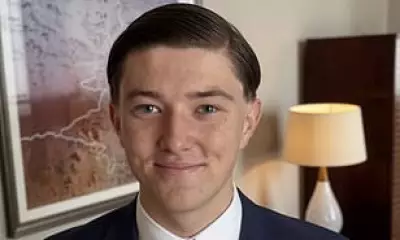
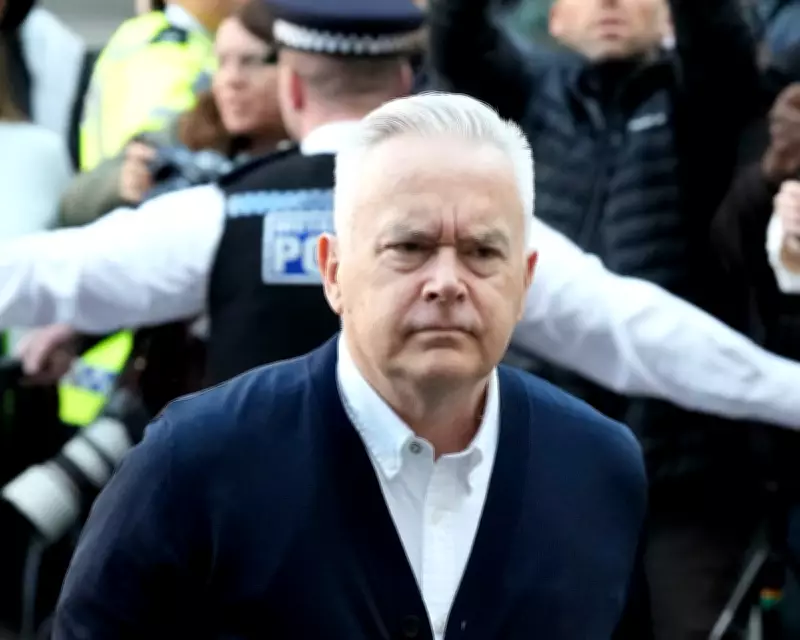
Former BBC newsreader Huw Edwards has publicly criticised Channel 5's forthcoming television dramatisation of his criminal conviction and professional downfall. Edwards, who pleaded guilty to three counts of making indecent images of children in September 2024, issued a lengthy statement expressing his disapproval of the production titled "Power: The Downfall of Huw Edwards."
Mental Health Explanation Deployed Amid Ongoing Controversy
In his statement, Edwards repeatedly referenced his struggles with persistent mental illness over twenty-five years, suggesting this condition contributed to what he described as "an appalling outcome." The convicted sex offender stated, "Mental illness is misunderstood by many but can never be an excuse for criminality. It can, however, at least help explain why people sometimes behave in shocking and reprehensible ways."
This explanation comes despite Edwards having served no prison time since his conviction, instead living freely in Wales while awaiting sentencing. Critics have noted the timing of his mental health defence appears outdated, particularly given increased public awareness about sexual offences against children.

Financial and Ethical Questions Remain Unresolved
Edwards has yet to repay approximately £200,000 in licence fee payer money he continued receiving while suspended from the BBC awaiting trial for crimes to which he ultimately pleaded guilty. The former broadcaster has instead focused his criticism on Channel 5's production values and ethical standards.
"I don't think the new drama is likely to convey the reality of what happened," Edwards declared, while questioning whether contributors to the programme had received payment for their participation. This criticism appears particularly pointed given Edwards' own history of financial transactions with a teenager, including £35,000 paid to a homeless youth.
Dramatisation Sparks Debate About True Crime Genre
The Channel 5 production represents the latest in a growing trend of "true story" dramas based on real-life criminal cases. While Edwards has complained about not being consulted during the script development phase, television producers traditionally do not seek input from convicted criminals when creating such dramatisations.
Edwards has announced plans to create his own account of events, describing this as "a slow process given the fragile state of my health." This approach continues his pattern of framing personal responsibility through the lens of medical conditions rather than criminal accountability.
Broader Implications for Media and Public Perception
The case raises significant questions about how society discusses sexual offences, mental health explanations for criminal behaviour, and the ethics of true crime dramatisations. Edwards' continued public statements despite his conviction highlight ongoing tensions between personal narrative control and public accountability for serious crimes.
As the Channel 5 drama prepares for broadcast, the controversy surrounding Edwards' case continues to evolve, with the former broadcaster positioning himself as both perpetrator and perceived victim in a complex media landscape where personal and legal narratives frequently collide.