Grooming Gang Survivor Accuses Authorities of Denying Justice Through Evidence Destruction
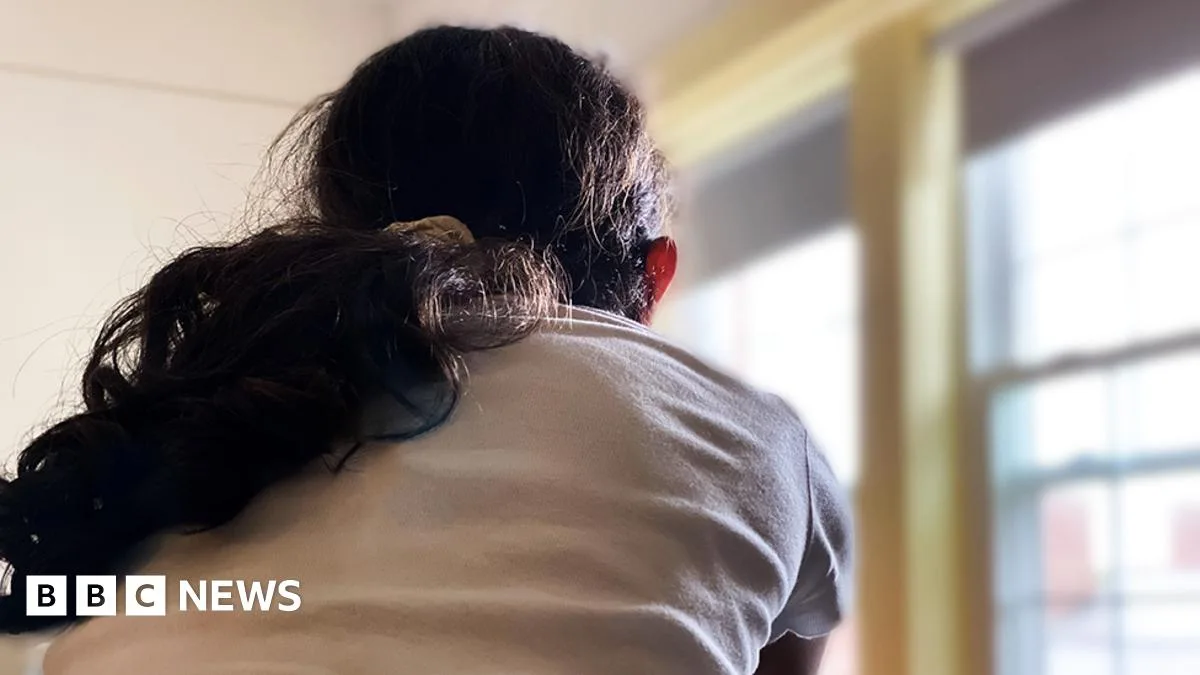
A survivor of grooming gang abuse has declared that victims have been systematically denied justice after revelations emerged that crucial evidence may have been intentionally destroyed. Elizabeth Harper, who endured four-and-a-half years of repeated rape from the age of fourteen by numerous men of Pakistani heritage in Rotherham, Yorkshire, believes the complete truth surrounding these organized abuse networks will never be fully disclosed to the public.
Home Office Delays and Potential Evidence Destruction
The Home Office has admitted that significant delays in formally requesting councils, police forces, and other agencies to preserve records related to grooming gang investigations could have resulted in vital evidence being permanently discarded. Official documents reveal it took seven full months for the Home Office to issue formal preservation requests following initial recommendations.
Ms Harper told the Daily Mail: "How many children, who are now adults, are trying to fight for justice and now have to go through this additional process? How are they going to continue their battle without those files? By delaying and destroying evidence, they have denied justice."
Systematic Failures and Cover-Up Allegations
The survivor believes these latest developments confirm long-standing suspicions about systematic governmental failures and intentional cover-ups by authorities. "Everybody has always known that there were files missing," she stated. "The latest news puts a final stamp on it and shows that we were actually telling the truth. This is what the authorities do in this country. They cover it up, sweep it under the carpet, get rid of it, and destroy or corrupt it."
Ms Harper suspects the evidence destruction could represent either a knee-jerk reaction to the impending national inquiry or deliberate action by those fearing exposure. She added: "They are being corrupt and they fear racial tensions."
National Inquiry Launch Amidst Evidence Concerns
These revelations emerge as the national inquiry into grooming gangs prepares to launch next week under Baroness Anne Longfield, the former children's commissioner. However, Ms Harper has expressed profound doubts about the inquiry's potential effectiveness, leading her to resign from its victims and survivors liaison panel in October alongside three other survivors.
"I don't believe the whole truth surrounding grooming gangs will ever be told," she declared. "This is because of the implications we are also seeing today. They are finally admitting that the files are not where they are supposed to be. That they are gone, and it actually makes them complicit in the abuse."
Parliamentary Scrutiny and Freedom of Information Revelations
Dame Karen Bradley, chair of the home affairs select committee, has written to Home Secretary Shabana Mahmood expressing serious concerns about what she described as "staggering" Home Office delays. Her letter questions why the department took several months to act on preservation recommendations and what consequences might follow from potential evidence destruction.
The delay in formal preservation requests was uncovered through freedom of information requests by Robbie Moore, MP for Keighley & Ilkley, who labeled the findings a "staggering failure." This is particularly significant since record retention was a key recommendation in Baroness Louise Casey of Blackstock's national audit last June.
Mr Moore's investigation revealed the Home Office did not begin contacting relevant agencies until January 14, a full seven months after Baroness Casey's initial recommendation. The formal request not to destroy potential evidence is considered critically important because many alleged offences occurred between 2010 and 2020, while many local authorities have policies allowing record destruction after six years.
Impact on Survivors and Legal Implications
For survivors like Ms Harper, these missing files represent their last hope for justice. "In my case alone, I went to court 18 years after the event," she explained. "We haven't got things like DNA evidence because they never took it. We haven't got witness statements or anything like that. The majority of our evidence relies on witnesses and files. It is another way of denying us justice."
Dame Bradley's letter to the Home Secretary raises urgent questions about whether destroyed records could impact possible future legal action and what consequences agencies might face if found to have destroyed relevant evidence. The Conservative MP warned that some records may have already been permanently lost.
Scope of the National Inquiry
The forthcoming national inquiry will investigate claims that councils systematically covered up grooming gang scandals across the country. This includes examining the group-based child sexual exploitation that occurred in Rotherham from the late 1980s until 2013, which affected an estimated 1,400 girls.
The inquiry will possess full statutory powers to compel witness attendance and will draw upon criminal investigations, including a new nationwide investigation by the National Crime Agency. However, survivors remain skeptical about whether genuine accountability will emerge from the process.
*The survivor involved in this story requested to use a pseudonym to maintain anonymity. The Home Office has been contacted for comment regarding these serious allegations of evidence destruction and justice denial.