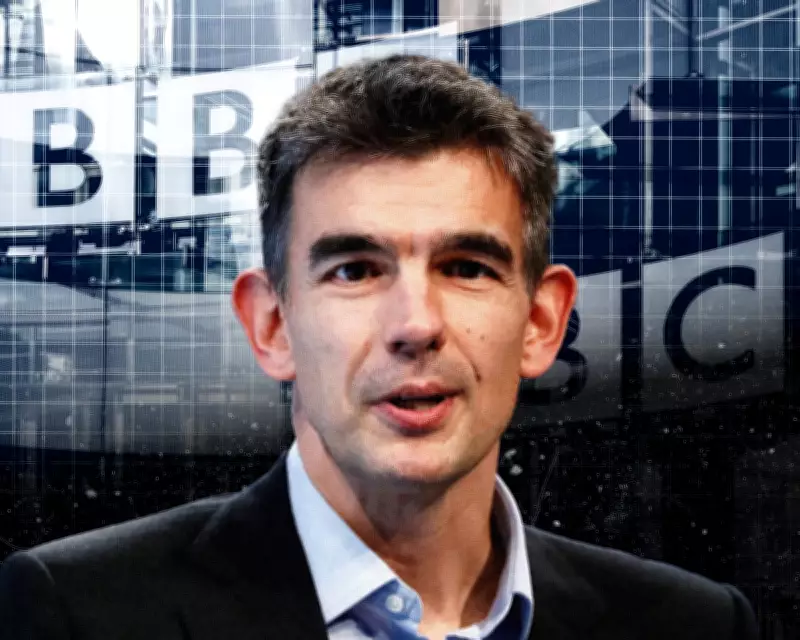
Matt Brittin, who will become the 18th director general of the BBC, faces a daunting task. A panel of experts offers advice on how he should navigate the challenges ahead.
Be a Creative Visionary, Not Just a Businessperson
Roger Bolton, former BBC editor and presenter, urges Brittin to provide a dream rather than merely business plans. He notes that the BBC's board is filled with businesspeople, lacking creative dreamers. The predecessor, Tim Davie, had to slim down the organisation and find new revenue sources amid competition from Netflix, GB News, and YouTube, while facing opposition to the licence fee and unsympathetic ministers. Bolton argues that while Davie was an outstanding chief executive, a director general must be a visionary. He calls for winning the public service argument and prioritising public service content, as giving everyone something is no longer tenable with diminishing income.
Be Brave and Proud of the BBC
Polly Toynbee, Guardian columnist and former BBC social affairs editor, advises Brittin to be brave in the face of critics and proud of the BBC. She highlights the BBC's extraordinary value: iPlayer, eight domestic TV channels, 10 national radio stations, children's channels, BBC Bitesize, the Proms, orchestras, World Service in 43 languages, and trusted news, all ad-free for less than 50p a day. She urges him to make mincemeat of claims that US streamers can compete and to avoid cringing to critics or nonsense about elitism. The BBC, she says, is a beacon of democratic and artistic values.

Be Bold About Funding
John Curtice, professor of politics at Strathclyde University, warns that three of the past five permanent directors general have resigned prematurely. He suggests the BBC consider joining forces with other public service broadcasters to argue for a new UK broadcasting subscription payable by anyone, including those abroad, who wants to access their services. This would mean sharing revenue with fellow broadcasters, as already happens with S4C and MG Alba. Brittin, who helped disrupt the licence fee model, may be well placed to persuade the BBC and government to leave the 100-year-old licence fee behind.
Ensure Auntie Represents All Voices
Farrukh Dhondy, writer and former Channel 4 commissioning editor, says Brittin has inherited a political task. He calls for an internal fightback forum, as wolves gather around the BBC. Impartiality does not mean following ephemeral poll results. The BBC should remain a unique, independent, impartial, balanced voice. For Dhondy, the licence fee is the price for impartiality, democracy, freedom, and fun, and it should be saved.
Find an Ingenious Solution to Replace the Licence Fee
Suzanne Franks, emerita professor of journalism, notes that making BBC income dependent on audiences owning equipment is parlous. Many students do not pay the licence fee, viewing it as a payment of choice like Netflix. A serious consultation is needed on how consumers pay for high-quality public media. She suggests looking at the German model, where payment is linked to households, making public media a utility. Adequate government funding of international services is also crucial for soft power.
Don’t Forget the BBC’s Greatest Asset: Its People
Marcus Ryder, chief executive of the Film and TV Charity, warns that about 80% of the BBC workforce is now freelance, creating a precarious system. The BBC's greatest asset is its people, including freelancers who carry institutional knowledge and creative instinct. They are leaving in steady numbers. A thriving BBC requires a thriving workforce. Look after the people who make the programmes, and everything else follows; fail to do so, and nothing else will be enough.
This panel comprises extracts from Letters to Matt Brittin: The New Director-General of the BBC, edited by John Mair and Andrew Beck, and original material.