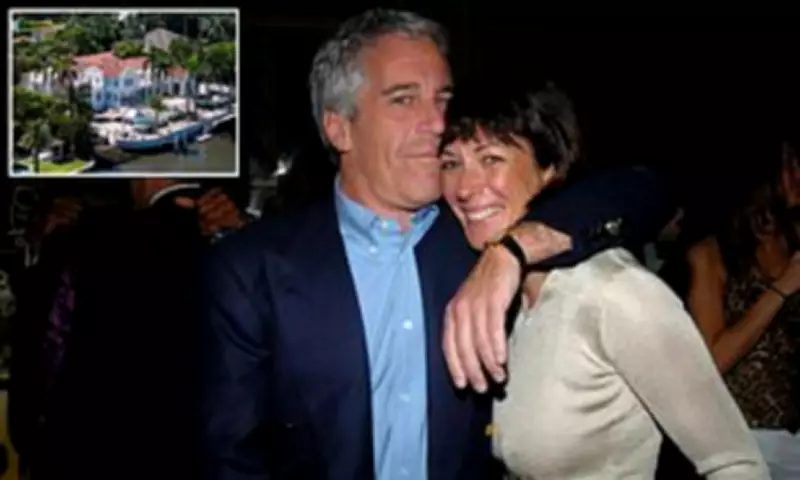
House Democrats have made explosive allegations that private investigators working for Jeffrey Epstein's legal team stole three vital hard drives from his Florida residence before authorities could discover them. Congressman Robert Garcia, the Ranking Member of the Committee on Oversight and Government Reform, detailed these claims in a bombshell letter released on Friday.
Critical Evidence Removed Before Arrest
According to documents revealed by the committee this week, private investigators visited Epstein's Palm Beach mansion in October 2005. This occurred while Epstein was under investigation by Florida authorities but had not yet been arrested. The notorious sex trafficker would be arrested for the first time in 2006, before receiving a controversial plea deal the following year that allowed him to avoid federal prosecution.
Attorney Confession Sparks Investigation
Garcia stated that Epstein's personal attorney, Darren Indyke, confirmed during a deposition last week that three private investigators obtained the hard drives from Epstein's home. This admission has raised serious concerns that crucial evidence may have been deliberately concealed from law enforcement during the early stages of investigations into Epstein's crimes.

'It’s stunning that Jeffrey Epstein’s computers and hard drives were in the possession of Epstein’s private investigators and may never have been seen by any law enforcement agency,' Garcia declared. 'Oversight Democrats are working to access these hard drives and items and speak directly with the private investigators. We will identify every co-conspirator who shielded Epstein and hold them accountable.'
Disturbing Inventory of Seized Items
House Democrats included a comprehensive list of items known to have been taken from Epstein's home, highlighting numerous sexual items among the confiscated materials. The inventory included:
- Three magazines titled 'Purely 18', 'Only 18', and 'Barely Legal'
- Two books described as guidebooks on erotic dominant/submissive lifestyles: 'Compleat Slave' and 'Training with Miss Abernathy'
- A large collection of vibrators and sexual toys
- Numerous pornographic videos and tapes
- Over $2,200 in cash
Secret Storage Facilities Revealed
This revelation follows earlier disclosures about Epstein's extensive secret storage system. Footage from inside his Florida home showed he maintained six secret lockers containing sex-slave manuals, naked photographs of women, and other compromising materials. Epstein reportedly paid tens of thousands of dollars over many years to maintain these secret lockers at various Florida locations, which also contained three computers, 29 address books, and a three-page list of masseuses.
Ongoing Congressional Investigation
After discovering that private investigators had removed Epstein's hard drives, Garcia has requested that the three detectives sit for interviews before the oversight committee. The committee has been revealing millions of documents from Epstein's estate throughout this year as part of their ongoing investigation.
Previous Controversy Over Document Redactions
Garcia's latest letter criticizing the investigation into Epstein's estate follows his previous criticism of the Department of Justice in February. At that time, he accused the DOJ of redacting documents that allegedly included references to former President Donald Trump. Garcia told NBC News that files containing mentions of Trump were missing from both public releases and the unredacted collection available to members of Congress.
The president has never been formally accused of any wrongdoing by authorities, and there is no suggestion of impropriety on his part. However, Garcia accused the DOJ of violating the law by withholding these documents.
Legal Requirements for Document Disclosure
The Epstein Transparency Act, passed by Congress in November, mandates that the Department of Justice publicize all documents related to cases against Epstein and his associate Ghislaine Maxwell. The department is only permitted to withhold files under specific circumstances:

- If they are duplicate documents
- If they fall under attorney-client privilege
- If they could harm an ongoing investigation
- If they are completely unrelated to the Epstein and Maxwell cases
DOJ Denies Protecting Public Figures
Deputy Attorney General Todd Blanche, who has overseen the release of the Epstein files, has previously insisted that the department complied with the law. He stated that documents were not withheld or redacted to protect Trump or other public figures from embarrassment.
'I can assure that we complied with the statute, that we did not protect President Trump,' Blanche said during a news conference on January 30. 'We didn't protect or not protect anybody.'
The investigation continues as House Democrats seek to uncover the full extent of evidence that may have been concealed during the initial investigations into Epstein's extensive sex trafficking network.