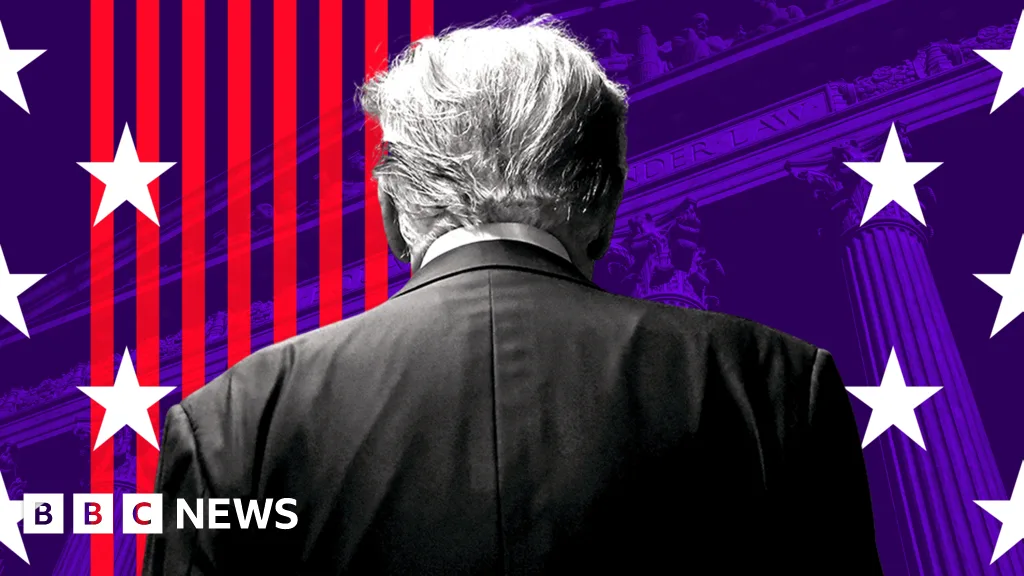
Donald Trump, the Republican candidate facing Vice-President Kamala Harris in November's US election, is the first former president in history to be criminally convicted. He was found guilty of falsifying business records in a case related to a hush-money payment.
However, recent legal developments have shifted the landscape. The US Supreme Court ruled that Trump has partial immunity from prosecution for official acts, affecting the most serious case against him: allegations he tried to overturn the 2020 election result. A Florida judge also dismissed a separate case concerning his handling of classified documents.
In the election subversion case, federal prosecutors allege Trump pressured officials to reverse the result, spread lies about fraud, and exploited the Capitol riot to delay certification. He faces four criminal counts, including conspiracy to defraud the US. After the Supreme Court's immunity ruling, special counsel Jack Smith issued revised charges, arguing Trump acted as a private citizen, not president. Trump denies wrongdoing and has pleaded not guilty.
The hush-money case involved a $130,000 payment to adult-film actress Stormy Daniels before the 2016 election. Trump's former lawyer Michael Cohen was reimbursed, with payments recorded as legal fees. Cohen testified against Trump, who was found guilty on all 34 counts. Trump's lawyers now seek to overturn the conviction, citing the Supreme Court immunity ruling.
With the possibility of re-election, Trump could in theory pardon himself or order federal charges dismissed. But questions remain over whether he would serve time if convicted, and a conviction would take the US into uncharted territory.