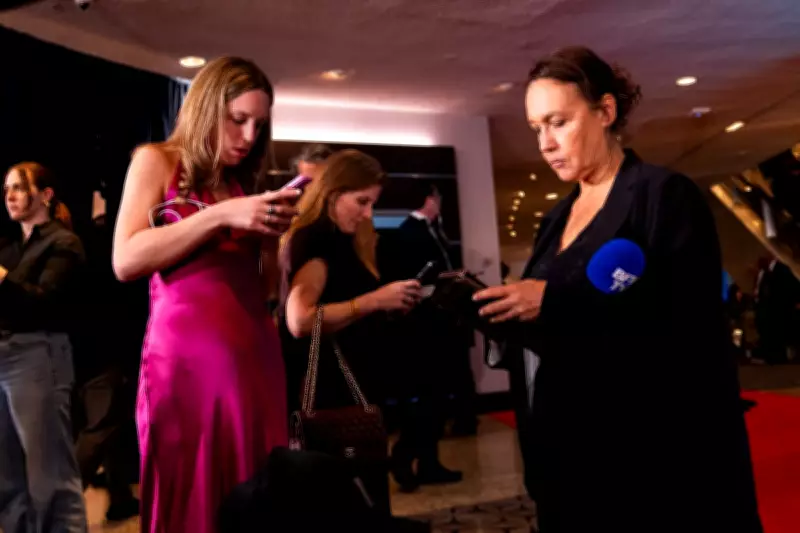
Reporters covered the White House Correspondents' Dinner shooting in real time, yet conspiracy theories still spread across the internet within minutes of the incident. The shooting, which occurred on Saturday night during an event attended by President Donald Trump, unfolded in front of some of the nation's most powerful journalists, who immediately provided detailed accounts from the scene.
Information Abundance Did Not Prevent Misinformation
The rapid dissemination of facts from reputable media outlets created a steady stream of information, but it was not enough to stop unfounded conspiracy theories from both the left and the right. A prominent theory suggested the shooting was staged, possibly as a distraction from issues like the Iran war or to push for completion of Trump's White House ballroom. This theory was tied to Trump's comments pointing to the incident as evidence of the need for his ballroom, and to the Justice Department's use of the event to pressure preservationists over a $400 million project.
Other baseless claims implicated the Israeli government or military, an antisemitic trope, while press secretary Karoline Leavitt's metaphorical remark about "shots fired tonight in the room" was twisted into evidence of prior knowledge. Some drew parallels to the attempted assassination of Trump in Butler, Pennsylvania, in July 2024, noting the delay in removing the president from the scene and Vice President JD Vance being escorted out first.

Expert Insights on Conspiracy Theory Appeal
Jen Golbeck, a professor at the University of Maryland who studies conspiracy theories, explained that a lack of trust in institutions and difficulty distinguishing fact from fiction create a "textbook recipe" for rumors. Even with abundant information, the entertainment value of conspiracy theories can prevail. "The thing about conspiracy theories that makes people enjoy them, even if they're not politically extreme, is that you get to go looking for breadcrumbs," she said. "It's a way to feel smart and accepted when you come up with a nugget to contribute and people like it."
Emily Vraga, a professor at the University of Minnesota studying political misinformation, noted that more information is not always better in polarized times. "We just can't process that much information," she said. "When there is a flood of contradictory and ever-changing information, it can reinforce the tendency to go to a simplified, understandable narrative, which can include conspiracy theories." She added, "Meaning doesn't have to be tied to reality."
Live reporting both helped and impeded the spread of misinformation. Some possible avenues of speculation were shut down by real-time corroboration from hundreds of professional journalists, but many false narratives still made it through.