Brooke Nevils Details Matt Lauer Assault Claims and #MeToo's Grey Areas
Brooke Nevils on Matt Lauer Assault Claims and #MeToo

Brooke Nevils Opens Up About Matt Lauer Assault Allegations and #MeToo Complexities

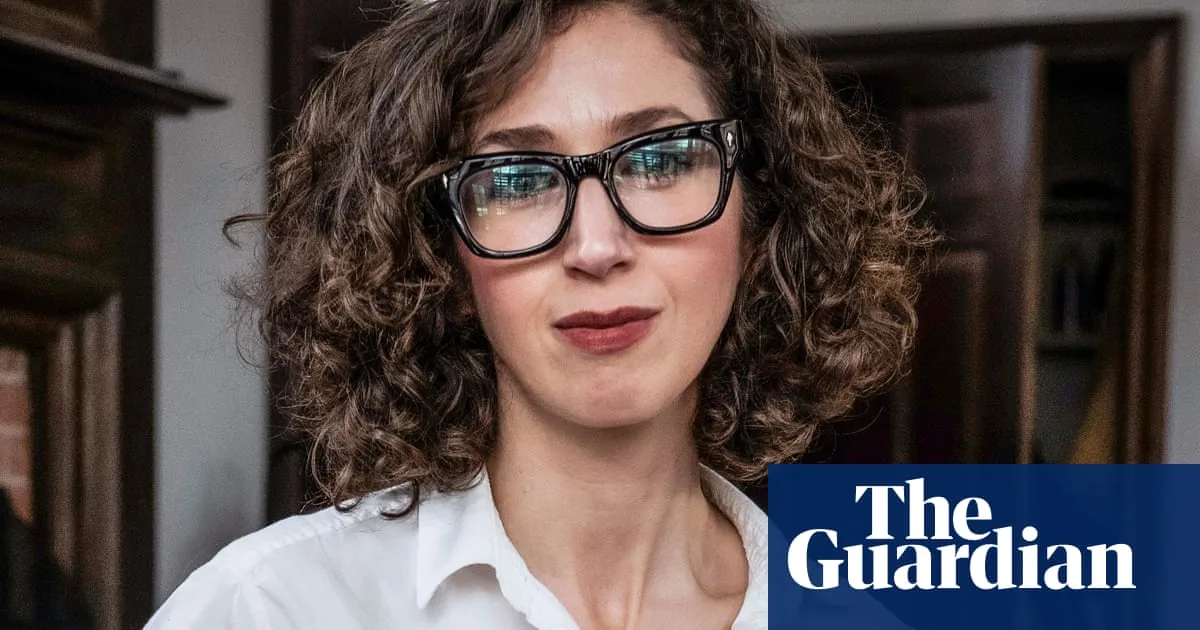
In a candid interview, former NBC producer Brooke Nevils has shared her harrowing account of alleged sexual assaults by ex-anchor Matt Lauer, delving into the nuanced realities of consent and victim behaviour that challenge common perceptions. Nevils, author of the new book Unspeakable Things: Silence, Shame and the Stories We Choose to Believe, recounts incidents she says occurred during the 2014 Winter Olympics in Sochi, Russia, and later in New York, which Lauer has consistently denied, framing them as an extramarital affair.

The Grey Areas of Consent and Power Imbalances

Nevils' narrative meticulously unpacks the difficulty in defining consent, especially within significant power disparities. She recalls saying "no" in Lauer's hotel room but ultimately "giving up," a response she argues is more common than many realise. Her book challenges the stereotype that victims must forcibly resist to be credible, noting that fewer than a third of women fight back even in stranger rape cases. Nevils explores how freezing, acquiescing, or maintaining friendly communication post-assault can be survival mechanisms, not contradictions to victimhood.

As a journalist, Nevils approached her story with detachment, interviewing sexual violence researchers and forensic psychologists to scrutinise her own experiences. "It gave me permission to look at it with brutal honesty," she explains, highlighting the flattery she felt from Lauer's attention and the self-blame that followed. This introspection reveals how victim behaviours often seem counterintuitive but stem from fear, job security concerns, and societal pressures.

Navigating Trauma and Public Scrutiny

After the allegations became public in 2019 through Ronan Farrow's book Catch and Kill, Nevils faced intense online backlash, with comments dismissing her claims as a regretted relationship. She describes reading these as "an exercise in emotional torture" but crucial for understanding public scepticism. The aftermath led her to a psychiatric ward, where she was diagnosed with PTSD and began trauma therapy, ultimately leaving NBC to rebuild her life.

Nevils emphasises that #MeToo, while transformative, created a polarising atmosphere where questioning consent complexities was often discouraged. She argues that without addressing these grey areas, abusive situations will persist. Her experience underscores the importance of support systems, noting she was "loved" and her complaint was taken seriously, which aided her recovery.

Reflections on Culture and Accountability

Drawing parallels to high-profile cases like Jeffrey Epstein, Nevils points to societal reluctance to scrutinise powerful figures. "We all look the other way in a million tiny little ways," she states, urging readers to examine power structures in everyday life. Her journey from an NBC apprentice to a producer illustrates how workplace cultures normalise inappropriate behaviour, with rumours about Lauer framed as gossip rather than red flags.

Today, Nevils is married with children and continues therapy, using her book to reclaim her narrative. She hopes her story fosters deeper conversations about consent, victimhood, and systemic change, moving beyond simplistic binaries to prevent future abuses.