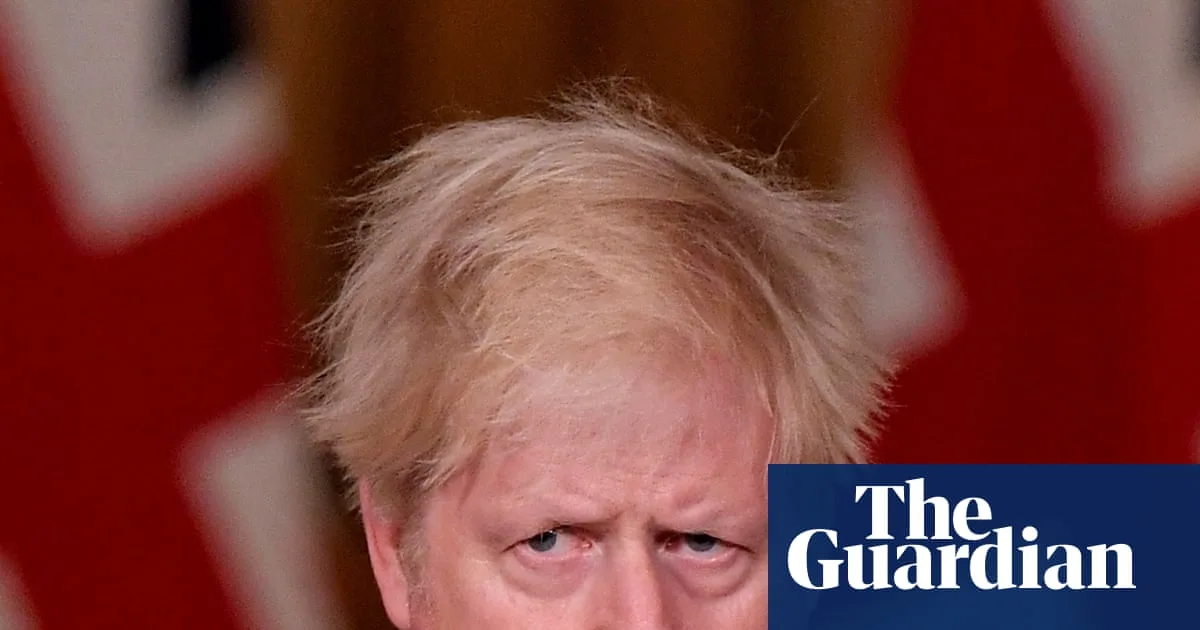
The official Covid-19 inquiry has delivered a damning assessment of Boris Johnson's leadership during the early stages of the pandemic, concluding that the former prime minister failed to act with urgency and was disengaged at a critical time. The report, chaired by retired judge Heather Hallett, found that Johnson's lack of direction and indecisiveness contributed to a 'lost month' of inaction in February 2020, which could have cost lives.
According to the inquiry, Johnson was at the government country retreat Chevening House during half-term week in February 2020, receiving no daily updates on Covid-19 as the virus spread globally and had already reached the UK. He did not chair a single meeting of the government's emergency Cobra committee that month. The report stated that Johnson 'should have appreciated sooner that this was an emergency that required prime ministerial leadership.'
The inquiry also highlighted Johnson's personality as a factor, noting he acted in accordance with his 'optimistic disposition' and accepted assurances from Health Secretary Matt Hancock, who had a reputation for 'overpromising and underdelivering.' Text messages from Johnson's former adviser Dominic Cummings revealed that Johnson did not consider the pandemic a 'big deal' and was more concerned about the economic impact, comparing it to swine flu.

While some critics, including Cummings, have accused the inquiry of rewriting history and costing millions without revealing new information, the report provides an official timeline of complacency in No 10. The Covid-19 Bereaved Families group described the findings as 'devastating,' suggesting more lives could have been saved under a different prime minister.