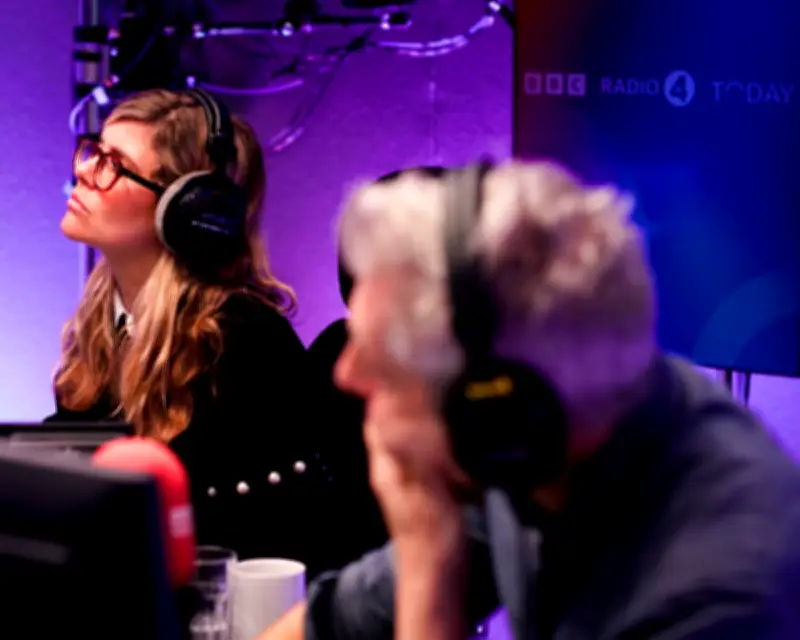
Staff at BBC Radio 4's Today programme have been told that social and digital platforms, including TikTok and Instagram, will now take precedence for correspondents, effectively deprioritising traditional radio and television. The move has been described as a 'body blow' by insiders, who fear the agenda-setting programme will increasingly rely on non-BBC reporters and spokespeople.
Shift in Priorities
The Guardian understands that correspondents were instructed last week that creating content for digital platforms is now their top priority. This change, combined with cuts to journalist numbers, threatens to reduce the prominence of the Today programme, which still commands over 5 million listeners weekly.
One Radio 4 insider said: 'This feels like a tweak but it's actually a body blow. Today has stayed healthy in the digital age by being well resourced and dependable. The plan appears to be for Today to hear from, for instance Steve Rosenberg if Putin dies, only after Steve has satisfied people who get their news on TikTok. Those 10 minutes serve to chip away the relevance of Today to the life of the nation. This is an act of vandalism pure and simple.'

Staff Reactions
Some staff are reportedly alarmed and despondent about the new priorities. However, others believe the shift is inevitable and will not stop prominent BBC names from appearing on Today. 'The reality is you'll still hear all the big beasts,' said one source. 'These are guidelines and we have to shift priorities. That doesn't mean Today will be anything other than a flagship programme.'
Another BBC source pointed to a further concern: the interests and priorities of social media audiences differ from those of Radio 4 listeners, who include the nation's opinion formers. Radio 4 and Today no longer have dedicated correspondents, as such posts were abolished in previous savings rounds, and they now compete for correspondents' time with other BBC platforms.
Broader Context
Many insiders believe the new priority given to social media is aimed at relegating the BBC's TV bulletins at 6pm and 10pm as linear television viewing declines. Those concerned about Today worry that radio is being lumped in with the decline of linear television, despite the programme still attracting over 5 million listeners a week.
Today has been largely protected from cuts, apart from a reduction in its main presenting roster from five to four after Amol Rajan's departure. However, its fellow Radio 4 news programme The World Tonight is to be axed. The skirmish highlights how divisive the BBC's cuts programme will be, with more painful decisions expected from new director general Matt Brittin.
A BBC spokesperson said: 'Radio is still enormously important to BBC News and Today remains our flagship programme. Our ways of working have to reflect the stark realities we face – a savings target of at least £500m and changing audience habits – but we're confident Today audiences will continue to get the same brilliant programme and hear from all our correspondents.'