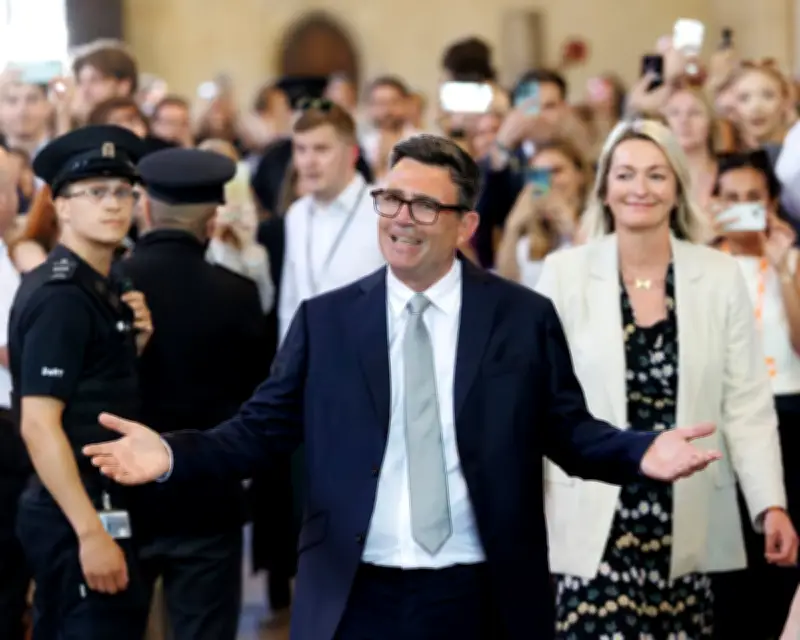
Andy Burnham, the newly sworn-in Labour MP for Makerfield, arrives at Westminster amid growing expectations that he will become the next Labour leader. His political narrative, focused on reversing privatisation and empowering communities, contrasts sharply with the cautious approach of his predecessor, Sir Keir Starmer.
Starmer's Legacy and Burnham's Ascent
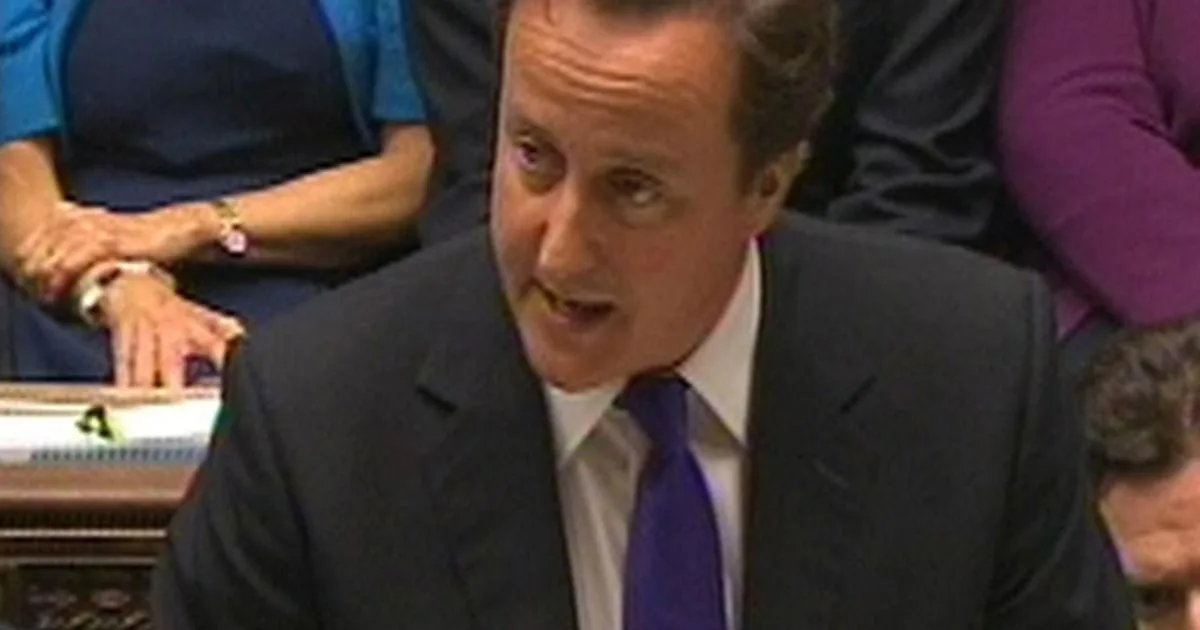
Sir Keir Starmer stepped down as Labour leader on Monday, hours before Burnham took his seat. Starmer's tenure saw real achievements: a large parliamentary majority in 2024, increased NHS funding, and steadfast support for Ukraine. However, his victory was brittle. Labour's vote share fell from 2019, and Nigel Farage's candidates fractured the right-wing vote. Starmer won power but failed to change the political weather, offering incremental repair instead of a moral vision.
Burnham, by contrast, has a stronger grasp of public grievances. He articulates a simple narrative: Britain worked better before privatisation, London has taken too much power, communities have been ripped off, and public control can restore fairness and pride. This message resonates with voters and many Labour MPs, who view his ascent as inevitable.

The Productive State: A Policy Blueprint
Reports indicate Burnham wants to break with Treasury orthodoxy. The thinktank Compass, close to Burnham, published a policy paper titled The Productive State on Monday. Authored by Mathew Lawrence and Alex Williams, it argues the state should lower the cost of essentials through public investment, ownership, and coordination. Key proposals include placing energy and water under national public corporations, organising housing and transport at the city-region scale, and running care and local services through municipal providers.
The political attraction is clear: it links the cost of living, growth, fiscal plausibility, and public control, mirroring Burnham's rhetoric. It also provides machinery for civic pride and regional renewal. However, the paper raises questions about implementation and cost.
Scrutiny and the Path Forward
With no other MP likely to secure the 81 nominations needed to enter the leadership race, Burnham may become leader without a contest. To compensate, he should seek rigorous scrutiny, such as a lengthy session before Parliament's Liaison Committee. The public will reward Labour not for creating a new model of the state, but for making life cheaper, easier, and more secure.
Burnham's politics offer a compelling diagnosis of what has gone wrong in Britain. Unlike Starmer, he has a story. The question is whether it has a convincing ending.