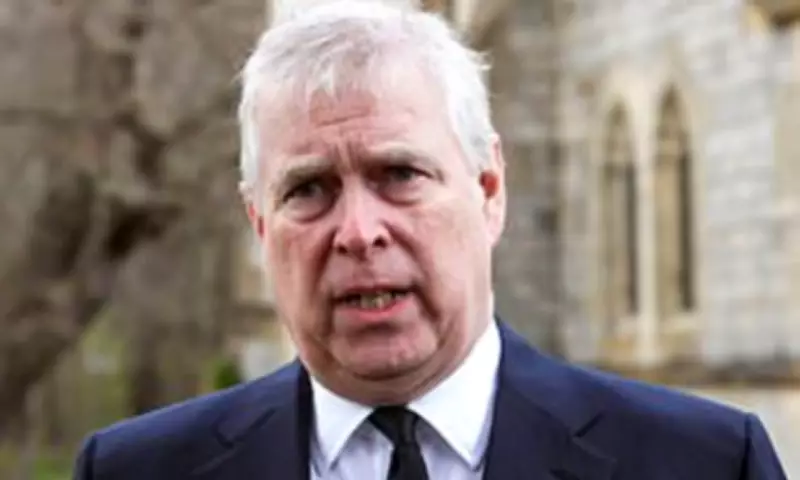
Royal Arrest Sends Shockwaves Through Monarchy
Royal experts across Britain have expressed profound shock following the unprecedented arrest of Andrew Mountbatten-Windsor on Thursday, his 66th birthday. The former Prince was taken into custody on suspicion of misconduct in public office, marking what is believed to be the first time in modern history that a royal has been arrested by police.
Dramatic Morning Raid at Royal Residences
In a dramatic morning operation, unmarked police vehicles descended upon Wood Farm on the Sandringham Estate in Norfolk, where plain-clothed officers gathered outside Andrew's home. Thames Valley Police confirmed they had taken the ex-Duke into custody at approximately 8am. Simultaneous searches were conducted at both Wood Farm and his former residence, Royal Lodge in Windsor, as part of the ongoing investigation.
The allegations center on claims that Andrew shared confidential material with convicted paedophile financier Jeffrey Epstein while serving as a trade envoy. While Andrew has previously denied any wrongdoing regarding his Epstein connections, he has not directly addressed these latest specific allegations.

Experts Declare 'Biggest Scandal in Royal History'
As news of the arrest spread, royal commentators voiced their astonishment at what they described as an unprecedented development. Royal correspondent Richard Palmer declared it "the biggest scandal in royal history," telling GB News: "I'm trying to think of a bigger scandal. You can look back at Diana's death and the abdication, but this is, I think, the biggest scandal in royal history on the face of it."
Palmer added that while he doesn't believe this will end the monarchy, which has "lasted more than a thousand years," he emphasized that "reform is needed and this case has brought it all to a head."
King's 'Worst Nightmare' Unfolds
Alastair Bruce described the arrest as the "worst possible thing for the crown," telling broadcasters: "This is about as critical as the institution could have to face, and I think for the King, it must be awful to face this. He is Sovereign, head of the national story, head of the Judiciary, and now his brother is a subject of that judicial process."
The Telegraph's royal correspondent India McTaggart called the development a "seismic shock" for both the Royal Family and the public, noting the particular significance of it occurring on Andrew's birthday. She highlighted recent public anger that has spilled over into King Charles's engagements, with hecklers questioning what the royal family knew about Andrew's association with the convicted sex offender.
Monarchy in 'Uncharted Waters'
Bronte Coy emphasized that the royal family now finds itself in "completely uncharted waters," stating: "We've not seen anything like this from them in the modern era. This is a critical time for them. With the severity of the allegations, the royal family must continue to meet the moment."
Coy noted there would be "such a low tolerance for any perception of entitlement or different rules being applied because he's a member of the royal family," adding that while this represents a crisis and risky moment, she believes the institution can survive it.
King's Unprecedented Statement of Support
In a remarkable departure from royal tradition, King Charles issued an unprecedented statement declaring that police investigating his brother would have his "wholehearted support and co-operation." This represents a significant break from the royal family's historical "never complain, never explain" mantra, particularly given Andrew remains eighth in line to the throne.
McTaggart observed: "The King has to be seen to not be showing favor to his younger brother, as the late Queen potentially did by paying off that settlement for Virginia Giuffre and sort of supporting him. But I think it's maybe going to damage trust in the monarchy and they need to be very careful going forward about how they handle this."

Pathway to Accountability or Constitutional Crisis?
While many experts expressed concern about the arrest's implications, former BBC broadcaster and longtime friend of the King, Jonathan Dimbleby, offered a more optimistic perspective. Speaking to BBC Radio 4's World at One programme, Dimbleby described the arrest as a "crisis" for the royal family but argued it "doesn't damage the monarchy."
"I think we have to separate the notion of a family from the institution of the monarch," Dimbleby explained. "What will happen when we look at it more coolly and in perspective, we will see that the institution has emerged from this not weaker...but arguably stronger, because it's working. It demonstrates actually the strength of the Constitution in this respect that the police have acted without fear of favour."
As police continue their investigations at both royal residences, and with Andrew now facing formal legal proceedings, the monarchy enters what experts agree is its most challenging period in modern history, testing both public trust and constitutional principles in equal measure.