Ex-Civil Servants Allege Andrew Misused Public Funds for Massages and Travel
Andrew Accused of Using Taxpayer Money for Massages and Travel

Andrew Mountbatten-Windsor Accused of Misusing Public Funds During Trade Envoy Role

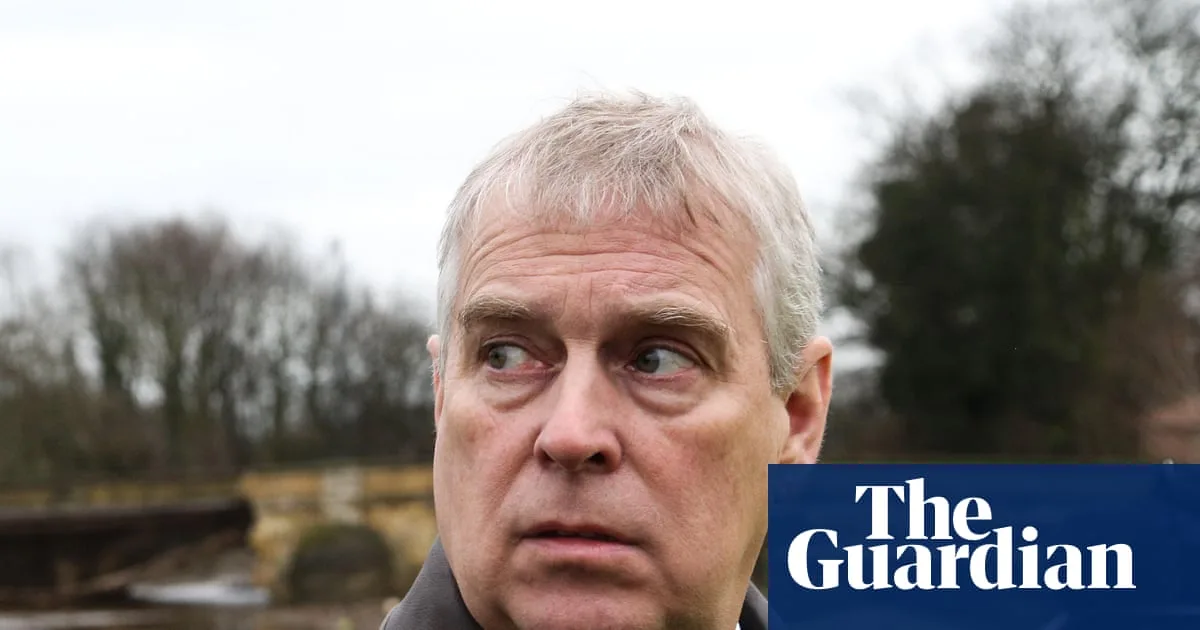
Retired civil servants have made explosive claims that Andrew Mountbatten-Windsor, the former Duke of York, used taxpayers' money to pay for massages and excessive travel costs during his tenure as the UK's trade envoy. These allegations emerge as police continue their investigation into the former prince, who was arrested last week on suspicion of misconduct in public office.

Whistleblower Accounts Detail Questionable Expenses

According to a BBC report, one former civil servant explicitly refused to authorize payment for a massage requested by Andrew, only to be overruled by senior staff. "I thought it was wrong... I'd said we mustn't pay it, but we ended up paying it anyway," the whistleblower told the broadcaster. Separately, a former Whitehall official with oversight of finances stated they had "absolutely no doubt" about the authenticity of these claims after reviewing similar expenses from Andrew's overseas trips.

The whistleblower further commented on the alleged misuse of public funds for massages, saying, "I can't say it would have stopped him, but we should have flagged that something was wrong." Another official described Andrew's expense claims as excessive, covering flights, hotel rooms, and charges for his entourage, remarking, "I couldn't believe it... it was like it wasn't real money, they weren't spending any of their own money."

Wide Pickt banner — collaborative shopping lists app for Telegram, phone mockup with grocery list

Police Investigation and Political Fallout

Andrew's arrest on Thursday led to an 11-hour period in custody on his 66th birthday, during which officers searched his home at Royal Lodge in Windsor and the Sandringham Estate in Norfolk. He has since been released under investigation, with searches expected to continue. The former prince is accused of sharing sensitive information with convicted sex offender Jeffrey Epstein during his time as the UK's special representative for international trade and investment.

In a 2009 video-taped interview under oath, Epstein's former housekeeper Juan Alessi claimed Andrew would have "daily massages" during visits. These revelations have spurred calls from public figures for a broader probe into Andrew's dealings with Epstein, though he has denied any wrongdoing regarding their links.

Politically, the Liberal Democrats are considering using an upcoming opposition day in the House of Commons to debate and scrutinize Andrew's former role. A party source stated they are exploring how to "secure more transparency and parliamentary scrutiny" in the public interest, emphasizing that while police must be allowed to work, accountability is crucial.

Constitutional Implications and Royal Response

Despite being stripped of his royal title last year, Andrew remains eighth in line to the throne. Removing him permanently would require an Act of Parliament, and Sir Keir Starmer's government is reportedly considering such legislation once the police investigation concludes. This situation adds a layer of constitutional complexity to the scandal.

Amid the turmoil, the Prince and Princess of Wales made their first joint public appearance since the arrest at the BAFTA awards, where Prince William noted he had not seen the play Hamnet, citing, "I need to be in quite a calm state and I'm not at the moment." This subtle comment hints at the ongoing stress within the royal family as the allegations unfold.

Pickt after-article banner — collaborative shopping lists app with family illustration