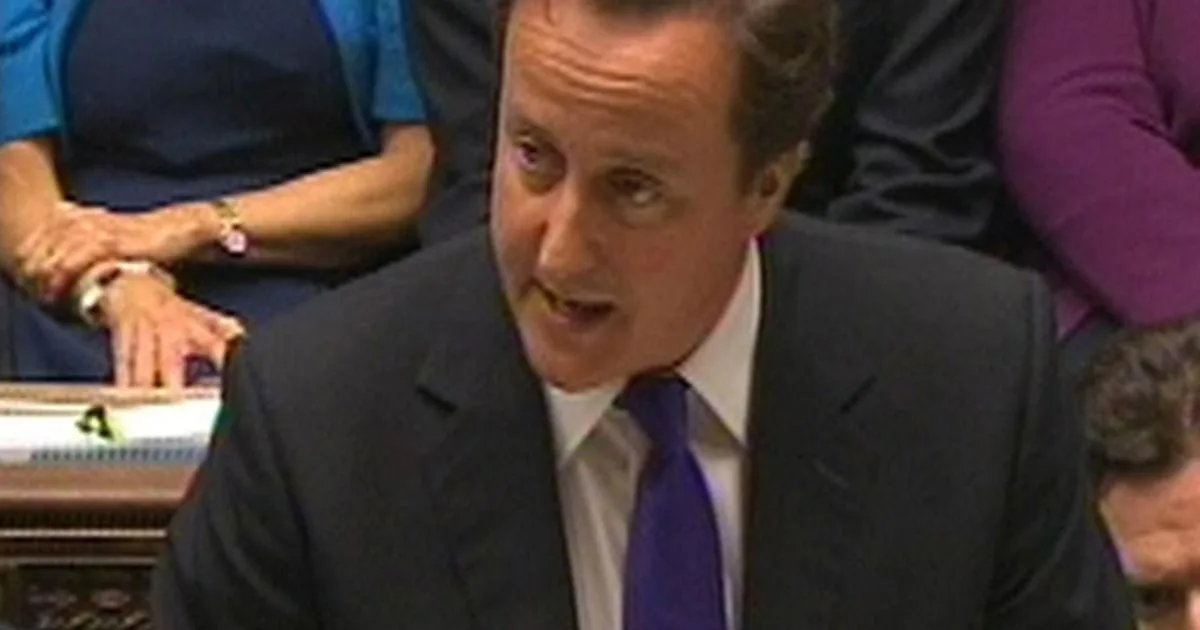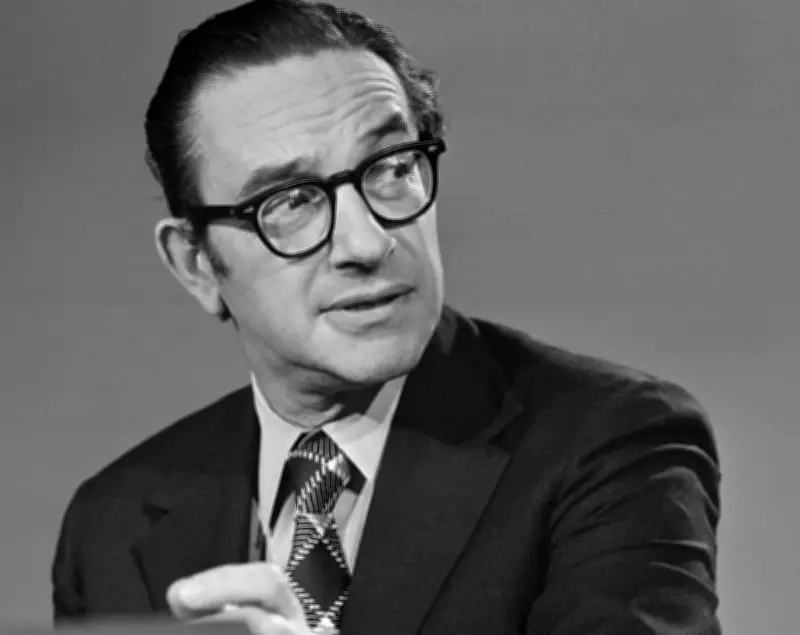
Alan Greenspan, the former Federal Reserve chair who wielded immense power over the US and global economy for nearly two decades, has died at 100. In a candid reflection, former US labor secretary Robert Reich acknowledges Greenspan's charm and intelligence but holds him primarily responsible for the 2008 financial crisis—the worst economic collapse since 1929.
Greenspan's Iron Grip on the Economy
Greenspan chaired the Federal Reserve for over 18 years, from August 1987 to January 2006, controlling interest rates almost single-handedly. Reich asserts that Greenspan effectively ended George H.W. Bush's presidency by raising rates to curb inflation, causing an economic downturn that voters blamed on Bush. This sway also compelled President Bill Clinton to prioritize deficit reduction, undermining much of Clinton's agenda, including initiatives Reich helped develop.
Reich recalls writing in his memoir, Locked in the Cabinet, that Greenspan had "the most important grip in town: Bill's balls, in the palm of his hand."

The Architect of Deregulation
Reich argues that Greenspan's advocacy for Wall Street deregulation directly precipitated the 2008 crisis. Greenspan pushed for the repeal of the Glass-Steagall Act, which since the 1930s had separated investment banking from commercial banking, preventing banks from gambling with personal savings. He also opposed regulating derivatives—financial bets on financial bets—which later became "weapons of mass financial destruction."
According to Reich, Greenspan finally admitted a flaw in his free-market ideology during congressional testimony: "I made a mistake in presuming that the self-interest of organizations, specifically banks and others, were such that they were best capable of protecting their own shareholders and their equity in the firms … I was shocked."
A Breakfast That Changed Nothing
Reich recounts a breakfast invitation from Greenspan early in the Clinton presidency. Reich hoped to convince Greenspan that public investments in education, infrastructure, research, and social safety nets were more critical than deficit reduction. However, Greenspan deftly avoided substantive topics, leaving Reich charmed but empty-handed.
Reich imagines the conversation he wished they'd had, highlighting Greenspan's unwavering commitment to fighting inflation—even at the cost of high unemployment, slow growth, and cuts to programs for working people and the poor. In Reich's imagined exchange, Greenspan admits, "I'm a capitalist and capitalism is driven by the filthy rich. They make their money off bonds. Your constituents are just plain filthy."
Legacy of the Crisis
The 2008 crisis led to the worst recession in decades, with millions losing jobs, savings, and homes. Reich concludes that Greenspan's deregulatory policies were the primary cause, and despite his charm and intellect, his blind spot for free-market ideology had devastating consequences.