The Conservative Party has drawn level with Reform UK in the battle for the Right-bloc vote, according to new polling by More in Common published to coincide with the Conservative conference.
A year ago, Reform held over 60% of the Right-bloc vote. Today it is level with the Conservatives, at 44% to 45%, with Restore Britain at 11%. Since May, the share of Britons naming Reform as the main party on the Right has fallen from 43% to 35%, while the Conservatives have risen from 17% to 25%.
Conservatives close to official opposition status
The survey found fewer than one in 100 Reform voters need to change their mind for the Conservatives to remain the official opposition, coming second to Labour in a general election. A 2% swing away from Reform would deliver the Conservatives more than 200 seats.
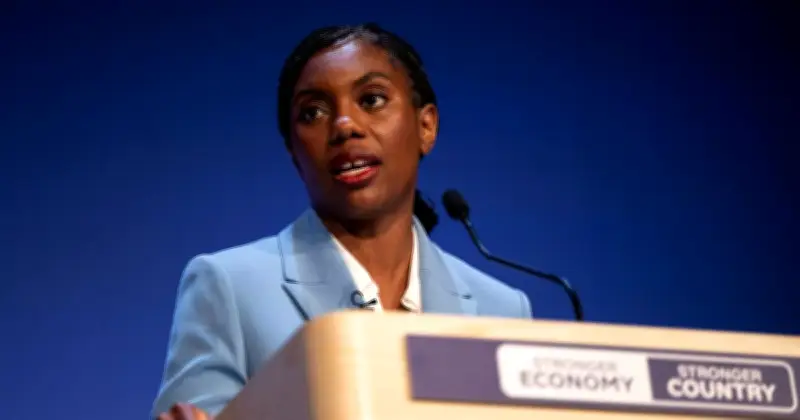
Luke Tryl, UK director at pollster More in Common, said: “This time last year, the Conservatives’ predicament looked somewhat existential. Nigel Farage was dominating the attention economy, Kemi Badenoch was struggling to cut through, and our MRP suggested the Tories could be left with just 41 seats after the next election. Yet any suggestion that the Conservatives were a write-off now looks premature.
“A year ago, their biggest challenge was for Kemi Badenoch just to get a hearing. Now, it’s converting Badenoch fans into Conservative voters. Her approval rating has soared, with many impressed by her PMQs performances and her direct, humorous tone. But barely a third of those who think Badenoch is doing a good job would actually vote for her party – suggesting the Tory brand is taking much longer to heal.”
Broad church warning from Sir Andy Street
Mrs Badenoch has now been urged to turn her attention to winning over Labour and Liberal Democrat voters, to give the Conservatives a fighting chance of winning the next election.
Sir Andy Street, the Tory former West Midlands mayor, warned that the Conservatives could not return to power simply by focusing on the threat from Reform. He said: “We need to show that we are still a broad church.”
More former Tory voters have switched to Labour or the Lib Dems, or simply decided that no party represents their views any more, than backed Reform, he said. Sir Andy, now co-chairman of think tank Prosper UK, said the Conservatives had regained their credibility after the devastating 2024 election defeat.
He said: “Kemi deserves huge credit for that. But we need to make it clear that we are still a broad church and think about the issues that appeal to those voters we lost to Labour and the Liberal Democrats, and to those former Conservative voters who stayed at home in 2024.”
Poll reveals hidden divide among Tory-curious voters
Sir Andy won an upset victory in 2017 to become West Midlands mayor, in a vote Labour was widely expected to win. He was turfed out of office in a 2024 poll at the height of the Conservative government’s unpopularity.
Polling commissioned by Prosper UK found that in 84% of the seats the Conservatives lost in 2024, a majority of ex-Tory voters had either shifted to parties on the Left or given up on politics entirely, rather than backing Reform. Sir Andy called on the Conservative leadership to prioritise policies that would boost business and help the economy grow, and tax cuts that directly helped households with the cost of living.
The dilemma facing Mrs Badenoch in trying to appeal to both Right-wing and centrist voters is revealed in the More in Common poll. It found that 44% of all voters said they would at least consider voting Conservative. Of those not already voting Tory, 45% are currently backing Labour, the Liberal Democrats or the Greens, while 53% are backing Reform UK or Restore Britain.
Mr Tryl said: “The challenge is a hidden divide in that voter pool: roughly half of these Tory-curious voters currently support Labour, Liberal Democrat or Green, and half support Reform or Restore. They hold very different views on issues like net zero and have different priorities for the Conservatives. Yet they have more in common than it might seem.
“Both like Kemi Badenoch, both see the Conservatives as credible on the economy, and neither thinks the party is too tough on immigration. If the Conservatives can build on what unites their potential voters, the battle for the Right looks far more open than it did a year ago.”