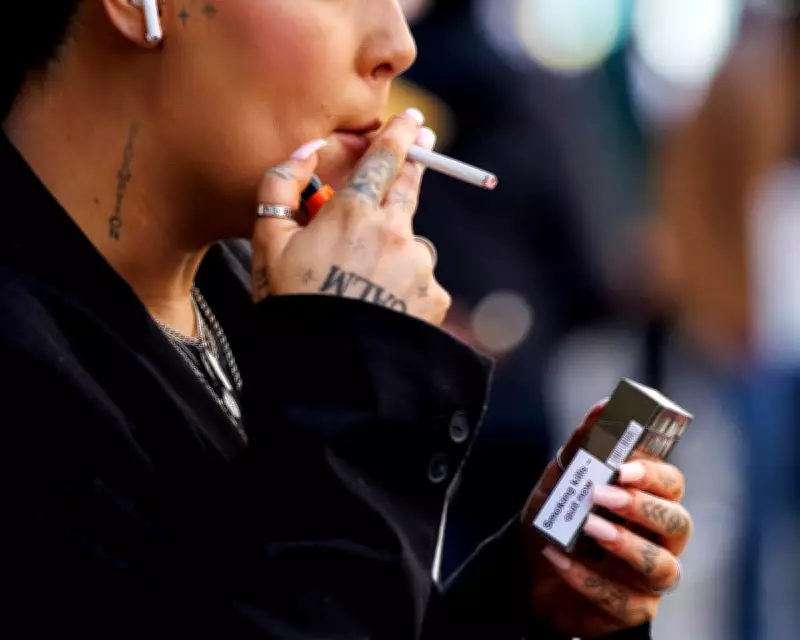
The United Kingdom has taken a historic step towards eradicating smoking with the passage of the Tobacco and Vapes Bill, which introduces a phased ban on tobacco sales for anyone born on or after 1 January 2009. This ambitious legislation aims to create a "smoke-free generation" and eventually end smoking entirely within the country.
How the Phased Ban Works
Starting in 2027, the minimum legal age for purchasing tobacco will increase by one year annually, from the current age of 18. This creates a permanent generational divide: those above the age threshold can still buy cigarettes, while those below it cannot. Over time, as older citizens pass away, the proportion of people legally allowed to smoke will diminish until no one can legally purchase tobacco in the UK.
This approach avoids an outright ban that might provoke conflict with current smokers. Instead, it gradually reduces the number of legal purchasers, leading to a steady decline in smoking rates. Public health researchers worldwide will study this policy experiment to assess its effectiveness and potential for adoption in other countries.

Regulation of Vapes
The new law also extends regulation to vapes, including restrictions on advertising and marketing targeting youth. It bans vaping in playgrounds, public buildings, commercial buildings, cars carrying children, and outside hospitals and schools. These measures aim to curb the rising popularity of vaping among young people.
Cross-Party Consensus and Public Support
Despite a politically polarised climate, the bill enjoys remarkable cross-party support, with backing from Conservative, Labour, and Liberal Democrat voters. Notably, many smokers themselves support the legislation. A 2024 YouGov poll found that 52% of smokers supported raising the age of sale by one year each year, and 78% of the public backed the idea of a smoke-free generation.
This support may stem from the fact that most smokers start before age 21, often regretting their decision later. Quitting is notoriously difficult, with 80% of smokers attempting to quit and struggling. Smoking-related diseases cost the NHS an estimated £2.6 billion annually, with wider societal costs reaching £11 billion.
Philosophical and Practical Considerations
The generational ban raises questions about individual freedom. However, proponents argue that true freedom includes the right to grow up without being targeted by industries built on addiction. The policy also aims to protect the NHS from preventable diseases, ensuring better access to healthcare for all.
Tobacco companies profit while individuals and taxpayers bear the health and financial costs. The law does not criminalise smoking itself but places the burden on retailers. Over time, this will create a situation where two adults of different ages may be treated differently when purchasing tobacco, intentionally driving down smoking rates invisibly.
Other countries, including the Maldives which implemented a similar ban in late 2023, will watch the UK's experiment closely. The policy's strongest champions are often smokers who wish such legislation had been in place when they were young.
Prof Devi Sridhar is chair of global public health at the University of Edinburgh and author of How Not to Die (Too Soon).