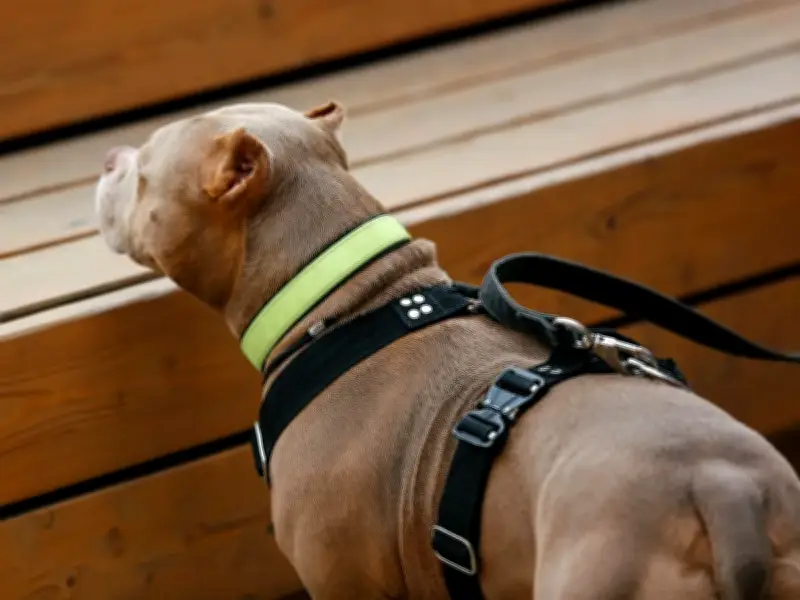
Dog owners in the UK who leave a child under 12 unsupervised with a banned breed, including XL Bullies, now face up to six months in prison and unlimited fines under new rules that took effect on November 1.
The Department for Environment, Food and Rural Affairs (Defra) confirmed the measure, which applies to domestic settings and other private places such as homes and gardens. The change affects thousands of dog owners across the country.
What the new law requires
From 1 November 2026, owners must not leave a child under 12 in close contact with a banned dog in a private place without adult supervision. The condition is being added to Certificates of Exemption, which allow owners to legally keep banned breeds.
Defra said: "Children will be better protected from dangerous dogs in the home under a new government measure coming into force today (November 1) to strengthen safeguards around banned breeds, including XL Bully types."
The department added: "The new safeguard will reduce the risk of serious injury to children in domestic environments, while allowing exempted dogs to remain with families where appropriate supervision is in place."
Existing rules on banned breeds
The XL Bully is one of five breeds banned in the UK, alongside the Pit Bull Terrier, the Japanese Tosa, the Dogo Argentino, and the Fila Brasileiro. Owners can only keep a banned dog with a valid Certificate of Exemption, provided the dog is not acting dangerously.
In January 2024, it became illegal to sell, give away, or abandon an XL Bully, and owning one without a valid certificate became illegal two months later. Around 61,000 certificates are thought to have been issued.
Under existing rules, banned dogs must be neutered, microchipped, kept on a lead and muzzled in public, and kept in a secure environment so they cannot escape. Owners must be over 16, show the Certificate of Exemption when asked by a police officer or council dog warden within five days, and notify the Index of Exempted Dogs of any change of address or the dog's death.
Penalties for non-compliance
Owners who breach the new measure could have their dogs seized, face up to six months in prison, and an unlimited fine. Defra noted that under existing legislation, owners can face enforcement action for any attack on a child, including up to 14 years in prison.
Dame Angela Eagle, Secretary of State for Environment, Food and Rural Affairs, said: "No child should ever have to suffer the trauma of a dog attack, and these tough new rules will help protect them from these horrific incidents."
She added: "While many owners are acting responsibly, those that don’t will face the legal consequences of leaving a child alone with a banned breed – including up to six months in prison and unlimited fines."
The measure is designed to protect children from serious harm while allowing responsible owners to keep their dogs, provided the necessary safety measures are in place.