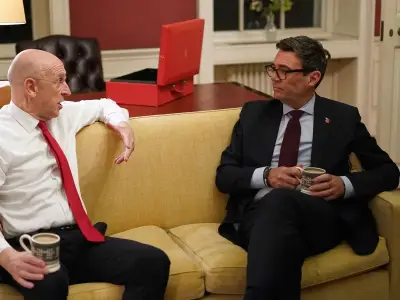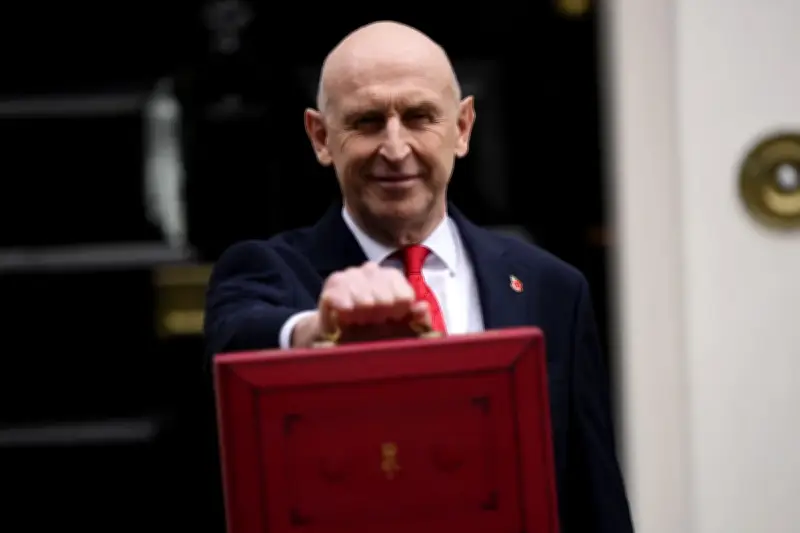
Chancellor John Healey has declined to confirm whether Labour will deliver its manifesto pledge to equalise the minimum wage for younger workers before the next general election.
In an interview with the BBC's Sunday With Laura Kuenssberg programme, Mr Healey said the Government would "take it one step at a time" and suggested the promise to end "discriminatory age bands" could be delayed.
One Step at a Time
Labour committed in 2024 to closing the gap between the adult minimum wage and pay for 18 to 20-year-olds. Asked whether younger workers on the minimum wage would be paid the same as their older counterparts by the time of the next election, the Chancellor said he had accepted the recommendations of the Low Pay Commission and raised both the national minimum wage and national living wage, increasing both by 3.9% across the board at the Budget.
"We'll take one step at a time," he said. "I legislated as a new MP for the national minimum wage when we first brought it in, and so we're going to have to continue to make those trade-offs between jobs and wages."
Asked whether Labour might break its manifesto commitment to remove discriminatory age bands, he replied: "There's no question about whether or if. It's a question of when. It's a question of how fast. And I want to make sure that we can look hard at those trade-offs that inevitably are there between jobs and wages."
Trade-Offs and Spending Plans
Mr Healey added: "I want to take business, I want to take trade unions with me, and with the Government, because together we have to get into what at the moment is a moral shame on this nation, a million youngsters written off, without any prospect of being helped into work and making a contribution to this country for the future."
The blanket 3.9% increase at the Budget raised questions about Labour's promise to equalise minimum wage pay for younger workers, over which unions have previously expressed concerns of a potential delay.
The Chancellor also suggested he was prepared to make big cuts to ease national debt after the Institute for Fiscal Studies questioned the likelihood of the Government following through on its plans for departmental reductions in the years to come. Asked whether he would make cuts of more than 2% a year to some government departments, he added: "We will carry that through to the 10-year plan and the spending review next year. But in the Budget I also set out the ways that we're preparing and the work we've got under way to prepare for those spending review decisions."
Conservative Criticism
Tory leader Kemi Badenoch accused Labour of leaving a £49 billion "black hole" in the nation's finances which she claimed would require hefty tax increases. The Conservatives have said the Government would have to hike levies by £1,700 "per household per year" by 2030-31 to pay for unfunded spending promises, including up to £17 billion for a National Care Service and £4 billion for council house-building, and a further £28 billion in "plausible spending pressures" identified by the Institute for Fiscal Studies.
"The Prime Minister gave the game away on Friday when he said he would have written the 2024 manifesto differently," Mrs Badenoch said in an article for the Sunday Telegraph. "Let me translate that. He wishes he had more room to raise taxes even further."
A Treasury spokesperson responded: "This is fiction. The Budget meets our fiscal rules, fully funds our Defence Investment Plan and puts borrowing on a clear downward path. This Government has a consistent track record of meeting these targets, and it's through careful management of the public finances that we've been able to give Britain breathing space on the cost of living and cost of business."