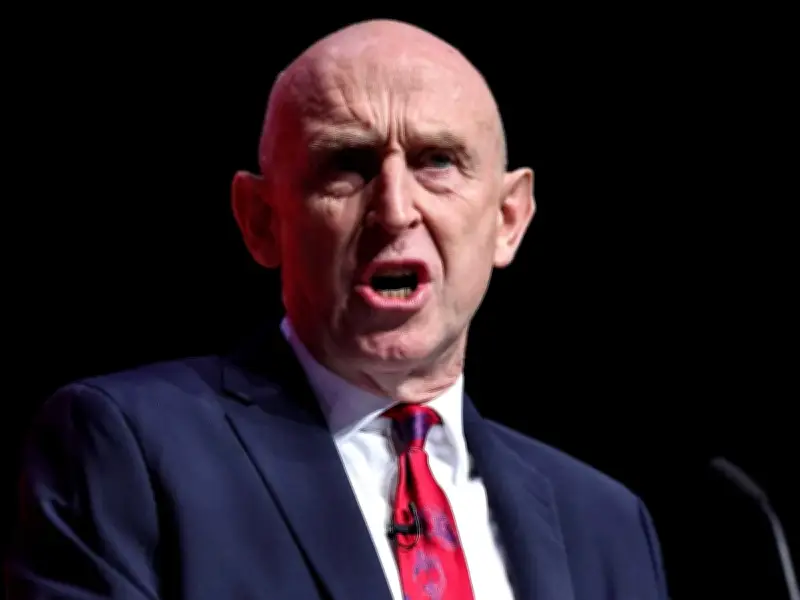
A petition calling for the State Pension age to be reduced back to 65 has gained more than 80,000 signatures, increasing pressure on Chancellor John Healey ahead of his budget on Wednesday. The petition, launched on the Parliament website by Michelle Gill, has crossed a threshold that requires the Department for Work and Pensions (DWP) to provide an official response. If it reaches 100,000 signatures, it will be considered for a parliamentary debate.
Petition Gains Momentum
The petition states: "Reduce the state pension age to 65. We believe this could mean people can retire with dignity and avoid hardship. We also think it could free up jobs for younger workers entering the labour market." It adds: "Many aged 65-67 face poor health, caring pressures, and limited work options, which we think is unfair."
The State Pension age began its rise from 66 in April 2026 and is scheduled to reach 67 by April 2028. The Work and Pensions Committee has expressed serious concerns about the impact on those unable to continue in employment, highlighting significant regional disparities in living standards across the UK.
Committee Raises Health Concerns
The committee has warned that substantial shifts in people's health and general wellbeing must be thoroughly assessed before any reforms are brought forward. A report examining pension age increases, published this summer, noted: "These include: an increase in the percentage of people aged 60 to 64 reporting a work-limiting health condition (from 28% to 31%). And healthy life expectancy at birth - an indicator of changes in population health - fell by two years over the decade to 2024, with inequalities between the least and most deprived areas widening. In England, it is highest in Richmond upon Thames, where people can expect to live 70 years in good health, and lowest in Blackpool and Hartlepool, at around 51."
The report also highlighted the impact of the previous rise: "The last rise - from 65 to 66, between late 2018 and 2020 - caused the income poverty rate among 65-year-olds to more than double. The fact that those affected will be a year older, leads us to fear that the impact may be even greater this time. Half of pre-pensioners (aged 60 to 66) in the lowest income quintile are already frail, and so vulnerable to significant deterioration in their physical and cognitive functioning."
Government Response
Responding to the petition, the DWP stated: "There are no plans to reduce State Pension age to 65. We are fortunate today that more people are reaching older ages: life expectancy has risen rapidly over the past century, driven by breakthroughs in medical treatments and generally healthier lifestyles. Office for National Statistics life expectancy projections show that in 2026, men aged 66 in the UK can be expected to live on average a further 19.3 years, and women aged 66 a further 21.9 years; by 2046, it is projected that this will have increased by an additional 1.6 years. State Pension age policy takes account of the fact that people are living longer and our society is ageing."
The DWP added: "The Third State Pension age Review is underway and will decide what State Pension age is appropriate for future decades, balancing considerations of fairness and sustainability. It will consider a wide range of evidence, including ONS life expectancy projections, findings from the Government Actuary, independent reports from Dr. Suzy Morrissey and the Pensions Commission, and lessons from previous increases."
The committee has urged the government to consider increasing Universal Credit for those aged 66 to shield them from financial hardship as the State Pension age rises to 67. It warned that a growing number of 66-year-olds could become dependent on the standard Universal Credit payment of approximately £425 per month for a prolonged period, even as their health deteriorates.