The Department for Work and Pensions (DWP) has issued an update for Personal Independence Payment (PIP) claimants regarding the possibility of being referred for a fresh assessment. New legislation, known as the 'Right to Try' change, has taken effect in recent weeks, affecting people claiming certain benefits including PIP, Employment and Support Allowance (ESA), and the health element of Universal Credit in England, Wales, and Scotland.
What the Right to Try Means for Claimants
The 'Right to Try' change is regarded as fundamental to the Government's welfare reforms, which it claims will prevent people being 'trapped on benefits'. It means that employment will not automatically trigger a benefits reassessment for claimants receiving ESA, PIP, and the health element of Universal Credit. This provides a safety net for those who wish to explore work or volunteering opportunities without fear of losing essential support.
Government Commitment to Disabled People
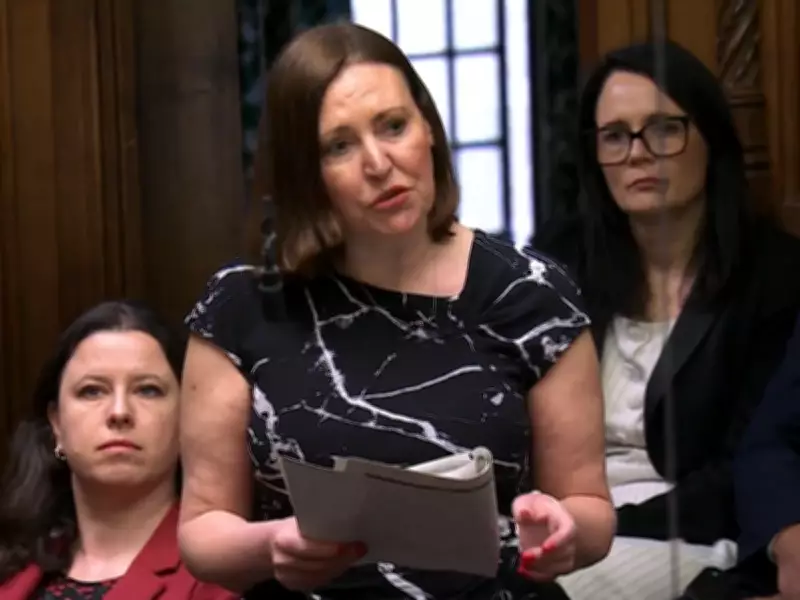
Labour MP Vicky Foxcroft posed a written question to the Secretary of State for Work and Pensions, Pat McFadden, asking: 'Under what circumstances a decision-maker is required to order new (a) work capability and (b) personal independence payment assessments under Right to Try regulations.' Sir Stephen Timms, Minister of State for Social Security and Disability, provided a crucial commitment for those receiving PIP. He stated: 'This Government is committed to giving disabled people and people with health conditions the confidence that working will not trigger a reassessment and a potential loss of benefits. Under the Right to Try regulations, staff cannot order a new Work Capability Assessment or Personal Independence Payment assessment solely because a claimant has started paid or voluntary work.'

Consultation and Support
The reforms follow Government consultation with disabled individuals and organisations through groups known as collaboration committees. They also include assurances that those wishing to volunteer can do so without risking benefit reassessment. The initiative was described as a 'positive and practical step' by the head of Mental Health UK. Brian Dow, chief executive of Mental Health UK, added: 'People often tell us that fear of reassessment, or even losing essential support if things don't work out, is a significant barrier to taking those first steps back into work. The Right to Try is a positive and practical step that will ensure people have a safety net when exploring opportunities for work or volunteering. This welcome initiative will ensure people are more supported and help them to build confidence, skills and connection at a pace that supports their recovery to better mental health.'
Political Context
At Prime Minister's Questions, Sir Keir Starmer blamed the Conservatives for the escalating welfare bill as he faced criticism over an apparent £20 billion rise since Labour took office. He was questioned by Conservative leader Kemi Badenoch about the extent of the increase. Sir Keir responded: 'We inherited a broken system from the party opposite and we are now improving that system, delivering a youth guarantee, rolling out 300,000 work experience placements and commissioned Alan Milburn's review into youth unemployment. They're the steps that we are taking. As she will know, the number on welfare went up hugely on their watch, as did the cost under the shadow chancellor.' Mrs Badenoch challenged: 'Benefits alone have risen by £20 billion since he came to office. The Prime Minister has promised welfare reforms, we heard him say it just now. So, can he tell the House why was there no Bill in the King's Speech to reform welfare?' Sir Keir responded: 'Welfare reform is balancing universal credit so it no longer pushes people away from work. That's what we're doing, they voted against it. Welfare reform is introducing a right to try to incentivise people to take up opportunities, that's what we're doing, they voted against it. Welfare reform is providing record funding on apprenticeships, that's what we're doing. Apprenticeship starts fell by 40% on their watch. She talks about the welfare bill, it soared by £88 billion on their watch. Nearly three million people were written off, face-to-face assessment collapsed because of the contracts they agreed, and the person who signed off those contracts was the shadow chancellor.'

Broader Implications
Commenting on the legislative change, Sir Stephen Timms said: 'Giving sick and disabled people legal protection to try work without fear is vital for their futures and for growing our economy. It's part of the work we're doing to bear down on the cost of living and boost living standards for sick or disabled people in every corner of the country. With 2.8 million people out of work due to long-term sickness, we're removing the barriers that have held people back for too long.' The Right to Try regulations represent a significant shift in welfare policy, aiming to encourage employment among those with health conditions while providing reassurances that their benefits will not be immediately affected.