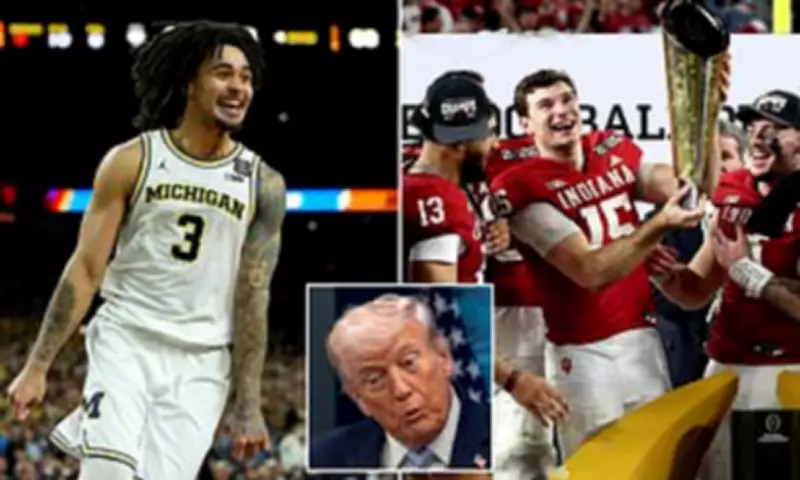
The National Collegiate Athletic Association (NCAA) has reportedly scheduled a panel to review edibility rules for college athletes, following an executive order issued by President Donald Trump aimed at 'protecting the future of college sports.' According to sources who spoke to The Associated Press on condition of anonymity, the NCAA has not publicly discussed the proposal, but the matter is set to be reviewed and discussed by the Division I Cabinet next week, though no vote for implementation is expected at this stage.
Proposal Mirrors Executive Order
The proposal, which was first reported by Yahoo Sports, closely mirrors the executive order signed last week. It would grant athletes five years of eligibility, with the clock starting at the earliest of two dates: either when they turn 19 or graduate from high school. Limited exceptions would be allowed, but these would not include injuries, which have historically been a common reason for players to request extra eligibility.
Legal Implications and Antitrust Concerns
A key unknown factor is whether this new rule would shield the NCAA from lawsuits over eligibility. Dozens of players have filed lawsuits seeking extra years, citing injuries and other circumstances that they argue make them eligible for additional time. In response, the NCAA is actively seeking a limited antitrust exemption from Congress to prevent such legal challenges.

Speaking at the Final Four over the weekend, NCAA President Charlie Baker commented on the situation, stating that President Trump is focused on finding a way to 'get something on the books that works and represents what most people are looking for at this point, which is a much simpler eligibility process.' Baker noted that the NCAA has been discussing this issue with its committees.
Executive Order Details and Reactions
Last week, the White House unveiled the executive order hours before the women's Final Four, one of the biggest weekends in college sports. The directive targets eligibility rules, transfers, and the escalating costs associated with college athletics, an industry that now pays players millions of dollars annually.
Among the clear demands in the order, Trump called for 'clear, consistent and fair eligibility limits, including a five-year participation window,' which would limit athletes to one transfer, with an additional transfer available after earning a four-year degree.
Cody Campbell, a Texas Tech regent and billionaire involved in shaping policy, expressed strong support for the order. 'I'm extremely supportive of the President's order,' Campbell said. 'I'm very excited that we're making progress and look forward to continued work in Congress to permanently preserve a system that's done so much for America.'
Controversy and Criticism
However, not everyone is pleased with the executive order. ESPN analyst, attorney, and former Duke power forward Jay Bilas has long criticized the NCAA for refusing to recognize student-athletes as employees. 'If we want players to stay, then sign them to long-term contracts and put buyouts in them,' Bilas told his ESPN colleagues and Arkansas basketball coach John Calipari over the weekend. 'But the NCAA doesn't want to do that. They don't want them to be employees. They want to beg Congress for an antitrust exemption, and they're not going to get it.'
In response to complaints that player contracts would undermine amateurism, Bilas argued, 'There is nothing about this that has ever been amateur.'
Broader Context and Future Outlook
At a college sports roundtable last month, Trump acknowledged that any order he signs would likely trigger litigation. Athletes have already gained significant freedoms, such as the ability to transfer almost at will through the portal and receive payments from schools, which now distribute over $20 million annually to their athletes.
Some of these players have also been suing the NCAA over eligibility limits, and their right to do so has become a major sticking point in Congressional deliberations. Additionally, Trump highlighted the need to address revenue-sharing in a way that protects Olympic sports, which are at risk if the college funding model becomes unsustainable.

As the NCAA panel prepares to review the eligibility rules, the outcome could have far-reaching implications for college sports, balancing legal protections, athlete rights, and the future of amateurism in an evolving landscape.