Mexican Cartels May Stand Down During World Cup Despite Violence, Experts Suggest
Mexican Cartels Could Stand Down During World Cup, Experts Say

Mexican Cartels' Stance on World Cup Violence as Brits Receive Travel Guidance

British football fans planning to travel to Mexico for the 2026 World Cup have been issued with detailed safety advice, as experts analyse the potential impact of recent cartel violence on the tournament. Despite a brutal outbreak of unrest following the killing of a notorious cartel boss, there are indications that criminal organisations may stand down during the event to protect their financial interests.

Recent Violence and Its Origins

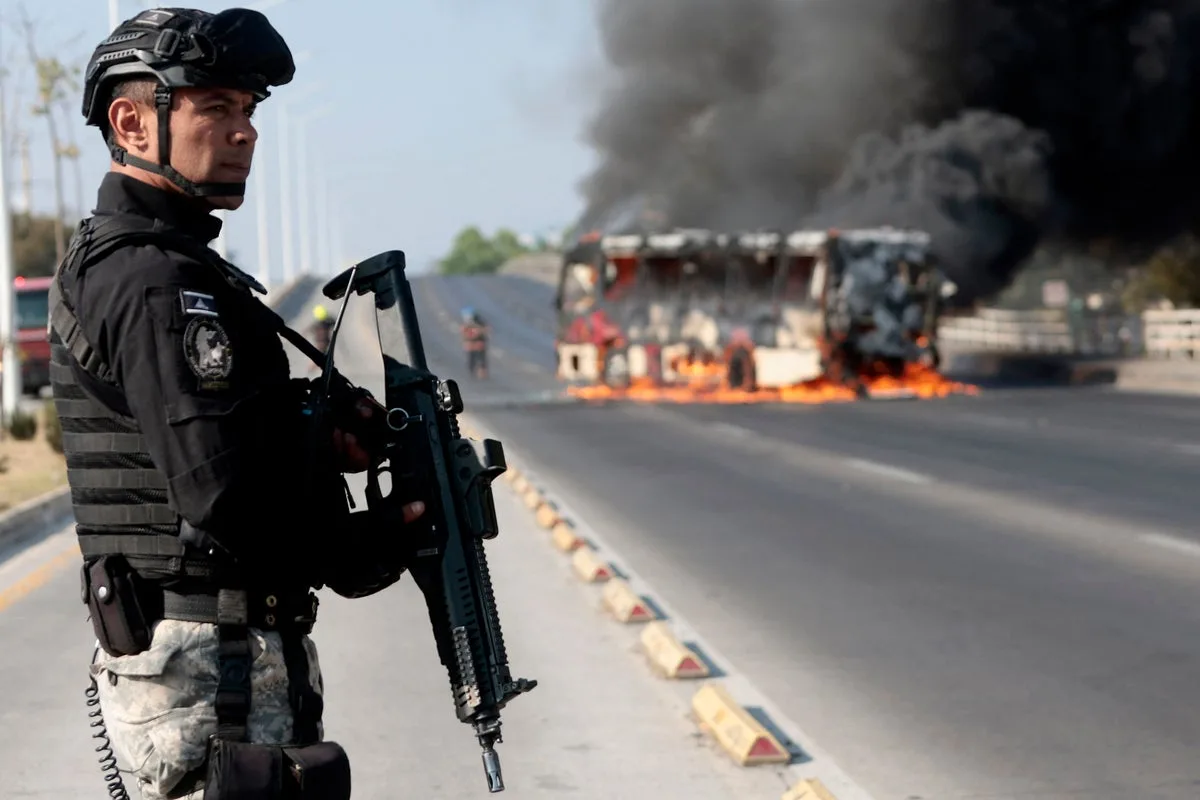
Authorities in Mexico have reported scores of deaths in the aftermath of operations to capture Nemesio Oseguera Cervantes, known as 'El Mencho', the leader of the Jalisco New Generation Cartel. This rapidly expanding criminal organisation is infamous for smuggling class-A drugs into the United States and launching assaults on government officials. The death toll includes security forces, alleged cartel members, and civilians, with the violence manifesting in road blockades and vehicle arson across affected regions.

This wave of unrest has led to calls for Mexico to be stripped of its World Cup hosting duties, with the nation scheduled to host thirteen matches across three cities: Mexico City, Guadalajara, and Monterrey. Notably, if England win their group, they would play their round of sixteen match in Mexico City, while Scotland could face a round of thirty-two tie in Monterrey should they finish second in their group.

Wide Pickt banner — collaborative shopping lists app for Telegram, phone mockup with grocery list

Expert Analysis on Cartel Motivations

Javier Eskauriatza, assistant professor of criminal law at the University of Nottingham, explained to the BBC that cartels generally have an economic interest in ensuring the World Cup proceeds peacefully. "Yes, they pay off politicians and local police forces, but they also buy restaurants and own hotels. They are part of the economic system. It is useful for them if Brits, Americans, and others go to Mexico, spend their money and have a good time," he stated, highlighting the cartels' stake in national assets and tourism revenue.

Dr Karina Garcia-Reyes, senior lecturer in criminology at UWE Bristol, assessed the risk for tourists during the tournament as "moderate". She added, "Unless more military operations are conducted this week, I would expect that the authorities in the most affected areas will be able address potential risks, so overall I would expect tourists to be safe as long as they follow the authorities' indications."

Official Responses and Safety Measures

FIFA has confirmed it is "closely monitoring" the situation in Mexico, with a spokesperson stating the governing body "remain in constant communication with the authorities". They continued, "We will continue to follow the actions and directions from the different government agencies, aimed at maintaining public safety and restoring normalcy, and we reiterate our close collaboration with federal, state, and local authorities."

Foreign visitors have been advised to remain vigilant but reassured that it is in the cartels' best interests for the World Cup to go ahead smoothly, given their financial investments in the country's infrastructure and economy. This perspective suggests that while the threat of violence persists, the economic incentives may lead to a temporary reduction in cartel activity during the tournament.

The situation underscores the complex interplay between crime, economics, and international events, with safety protocols being emphasised for all travellers to Mexico in the lead-up to the World Cup.

Pickt after-article banner — collaborative shopping lists app with family illustration