
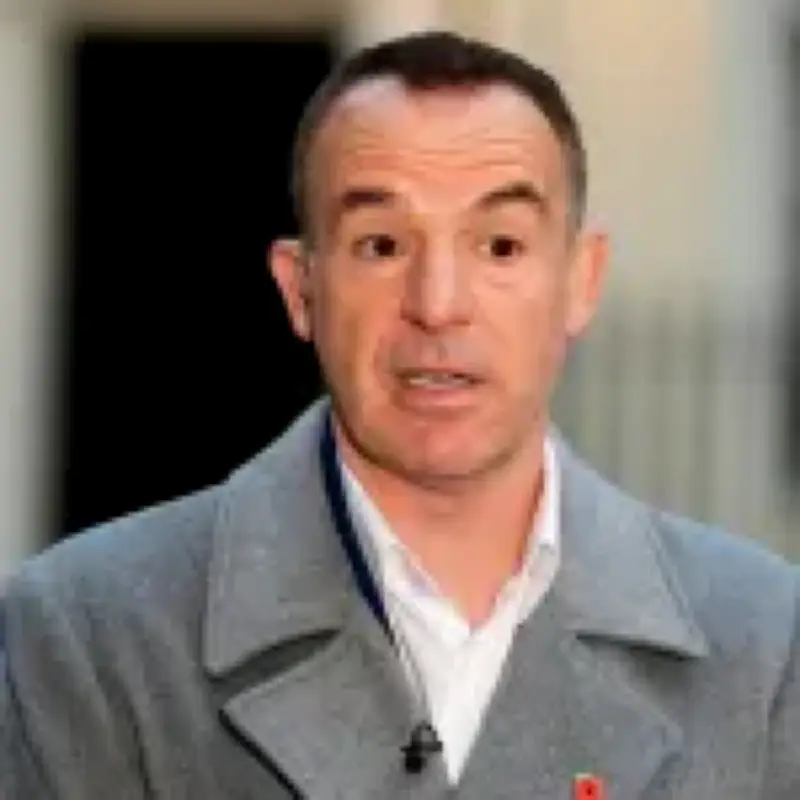
Martin Lewis has welcomed the government's decision to scrap gas standing charges, describing the fixed daily fees on energy bills as a 'moral hazard'. The move, announced by Chancellor John Healey in the Budget, will mean that even households using no gas will no longer have to pay the charges.
What the change means
The fixed costs will be moved into the unit rate when the changes take effect next year, or 'as soon as possible after'. According to the Treasury, this will result in 60% of households with an account saving an average of £45 each year. Savings will be greatest for homes that use less gas, while high-usage households may see their bills rise more than they otherwise would have.
Speaking to the Today programme, Lewis said he had been campaigning for this change 'for many years'. He added: 'They're a moral hazard, they're a disincentive for many users to cut their bills. So many people get in touch with me saying, "Half my bill is standing charges, nothing I can do about it, it doesn't make any difference." They're a poll tax on energy, if you like.'
Electricity charges and support package
Lewis met Healey this morning, just hours before the Budget was delivered. He asked whether similar changes could be applied to electricity standing charges, with Healey indicating he would be 'working on that over the next year'. However, Lewis stressed that ending gas standing charges 'isn't going to bring the materiality of people's energy bills down'.
Forecasters predict an increase of as much as 27% in the average household energy bill when the next price cap comes into effect at the start of next year, driven by rising costs from the war in Iran. Lewis said there is 'going to have to be a support package put in place for January', and that the chancellor gave him a 'read-between-the-lines answer that yes, he will be doing it'.
Concerns from Citizens Advice
The plan has also raised concerns. Dame Clare Moriarty, chief executive of Citizens Advice, told the Today programme: 'Quite a lot of people who are on low incomes will be lower gas users and they will benefit from that. But if you're disabled or people who are living in poorly insulated homes where they're losing heat all the time, they'll have higher usage and they can actually end up paying more when this measure goes through.'
Prime Minister Andy Burnham first hinted at changes to gas standing charges at last week's PMQs, saying he had asked the chancellor and Energy Secretary Miatta Fahnbulleh to look into removing them. He said: 'Abolishing gas standing charges is about basic fairness and giving people more control over their bills. I am determined to reform our broken energy market, so it better serves the public interest.'
According to the Observer, Healey will use the Budget to launch a series of 'deep reforms' to the UK's energy system aimed at bringing costs down, potentially including measures to 'decouple' gas from electricity prices.




