Prime Minister Andy Burnham has said he is "open" to the possibility of the UK formally apologising for the slave trade, a move that has sparked criticism and overshadowed King Charles's upcoming address to Commonwealth leaders.
Burnham's Intervention Draws Fire
Mr Burnham's comments, made ahead of King Charles's Caribbean tour, have been described as a "pompous intervention" that "gazumped the monarch's speech to Commonwealth leaders" and strengthened those who believe the UK should pay for past wrongs. Critics point out that Britain is "broke - literally and metaphorically" and question what the country would use to fund any reparations.
The Prime Minister's stance has also been criticised for distracting from domestic issues, including the ongoing small boats crisis. More than 21,000 people have arrived in the UK on small boats since the start of the year, and the article suggests Mr Burnham should apologise for his government's "ineptitude and inaction" on the issue instead.
King Charles's Commonwealth Address
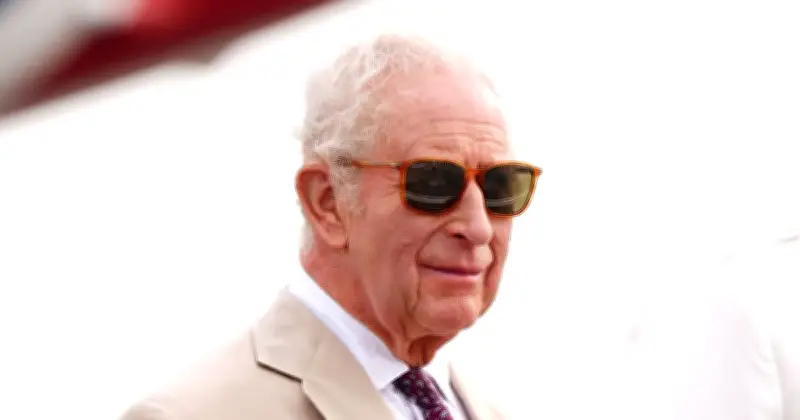
King Charles is expected to address Tuesday's Commonwealth Heads of Government Meeting in Antigua and Barbuda with "unflinching honesty" and "sincere sorrow" regarding the lasting pain of the transatlantic slave trade. His speech follows Mr Burnham changing the Government's stance on the issue.
Britain has never formally apologised for slavery or offered to pay reparations. The article notes that slavery was finally abolished by Parliament in 1807 through the Slave Trade Act, and later outlawed in most British colonies through the 1833 Slavery Abolition Act.
A Sensitive Path for the King
The Caribbean tour was always expected to be a tricky path to navigate, but the King has acted sensitively, speaking of the "suffering of the past" and visiting the site of a Slave Rebellion where hundreds of enslaved people were killed. The article argues that despite having his thunder stolen by Mr Burnham, Charles will not intervene on government policy, but "privately he must be seething."
The piece concludes that Mr Burnham's intervention has emboldened those who "would rather criticise imperfect but decent and noble institutions than deal with the complexities of the real world," and suggests the King should privately tell the Prime Minister to focus on domestic issues before addressing matters overseas.