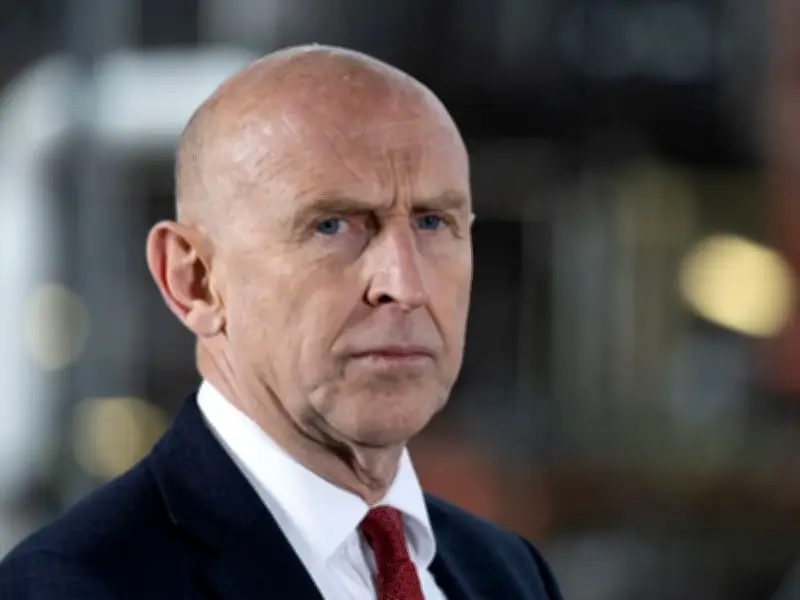
John Healey is expected to announce a rise in the personal allowance for low-income pensioners to £13,036 in this week's Budget, a move that would benefit around one million people. The change is designed to prevent the full new state pension from pushing pensioners over the tax threshold.
Triple Lock Increase and Tax Threshold
The personal allowance is currently frozen at £12,570 until April 2031. With the anticipated 3.9% triple lock increase, the full new state pension would reach approximately £13,036 a year, some £466 above the allowance. That could leave someone receiving the full amount facing an income tax bill of around £93 a year, despite having no other income.
According to The Times, Healey is expected to confirm next April's 3.9% state pension increase to £13,036, based on the earnings element of the triple lock. To prevent the full new state pension from pushing some people over the tax threshold, he is reportedly planning to raise the personal allowance for pensioners on low incomes to £13,036 as well. The policy is anticipated to assist approximately one million pensioners and cost roughly £200m annually by 2030.
Potential Sting in the Tail
However, Personal Finance Editor for the Express, Harvey Jones, says that while it may appear straightforward, implementation will prove complicated in reality. The Treasury would need to identify eligible individuals and ensure their tax status adjusts should their situation change. The allowance must keep up with future state pension rises if the Government wishes to avoid the same issue resurfacing.
"Pensioners on lower incomes will appreciate the safeguard, and Labour will make considerable noise about it on Budget day," Harvey Jones wrote. "It might even be portrayed as recompense for threatening to abolish the enormously popular triple lock from 2030, should Andy Burnham secure victory at the next election. However, there is a potential sting in the tail."
He continued: "Should the special treatment be limited to people whose only income is the state pension, those with even a modest amount of additional taxable income could find themselves confronting an expensive cliff edge. That might include someone with a small workplace or personal pension, earnings from a part-time job or taxable savings interest."
"Someone with the full new state pension and no other income could avoid tax, while a person receiving just £1 more could lose their exemption and face a minimum bill of about £93 on income above the ordinary £12,570 allowance. In practice, they could pay a lot more," Jones added. "That would be a particularly galling outcome for pensioners who have managed to set aside a little extra for retirement, only to find themselves treated less favourably than someone who has not."