
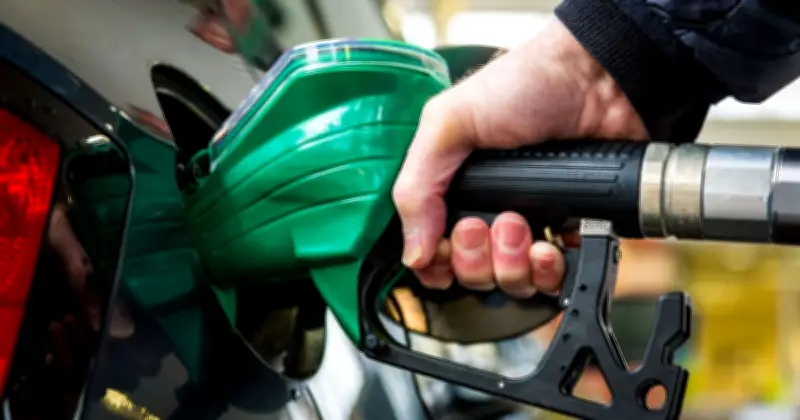
Chancellor John Healey has confirmed that fuel duty rates will remain frozen for another year, reversing a planned increase that would have raised petrol and diesel bills. The decision, announced in his Autumn Budget statement on Wednesday, extends the existing 5p cut and keeps duty at its current level until July.
Planned Increase Reversed
Fuel duty had been scheduled to rise earlier this year, reversing a 5p cut introduced by the Conservatives in 2022. Rachel Reeves and Sir Keir Starmer had delayed increases, with the first 3p rise set to take effect in January. However, disruption in the Middle East pushed fuel prices higher, with diesel rates exceeding previous all-time highs earlier this month.
Healey and Prime Minister Andy Burnham had faced pressure from the motoring industry to intervene, with Labour holding firm until now. The freeze means fuel duty rates have not been increased since March 2011, a 15-year run.
Budget for Working People
Speaking in the House of Commons, Healey said the budget would be for the working people of Britain, providing “breathing space” around the cost of living. He said: “For millions of people the cost of living and the cost of doing business is the same. The home is the office and the van is the family car. Earlier this year the Government extended the 5p cut to fuel duty and slashed red diesel to its lowest rate in over 20 years. With the war in the Middle East still driving high fuel prices, I’m extending these tax cuts to motorists through the winter and spring to July, supporting households, hauliers and farmers.”
Diesel costs currently sit just under £2 per litre, with average petrol prices around 174p per litre ahead of Budget day.
Drivers Cutting Back
Fuel costs are leading many road users to rethink their travel plans. According to a Motorpoint poll of 2,066 road users, 53% of drivers are now travelling less to save money on fuel. The data shows 30% said they were finding it more difficult to afford fuel, with 18% needing to cut back on household spending to account for higher petrol and diesel fees.
Research from the RAC found that two-thirds (65%) of 1,208 motorists polled were cutting back on other spending due to the high cost of fuel, compared to 61% who said the same in April.
During his Budget statement, Healey attributed rising oil and fuel costs to the conflict in the Middle East. He said: “It’s a war that has driven up costs on British families and British businesses. Inflation, which was due to fall earlier this year, has now risen, driven by higher oil and gas prices. Oil is up from $70 a barrel to well over $100. Gas prices have nearly tripled since February. For families, this means higher prices at the pumps, higher energy bills and higher mortgages.”




