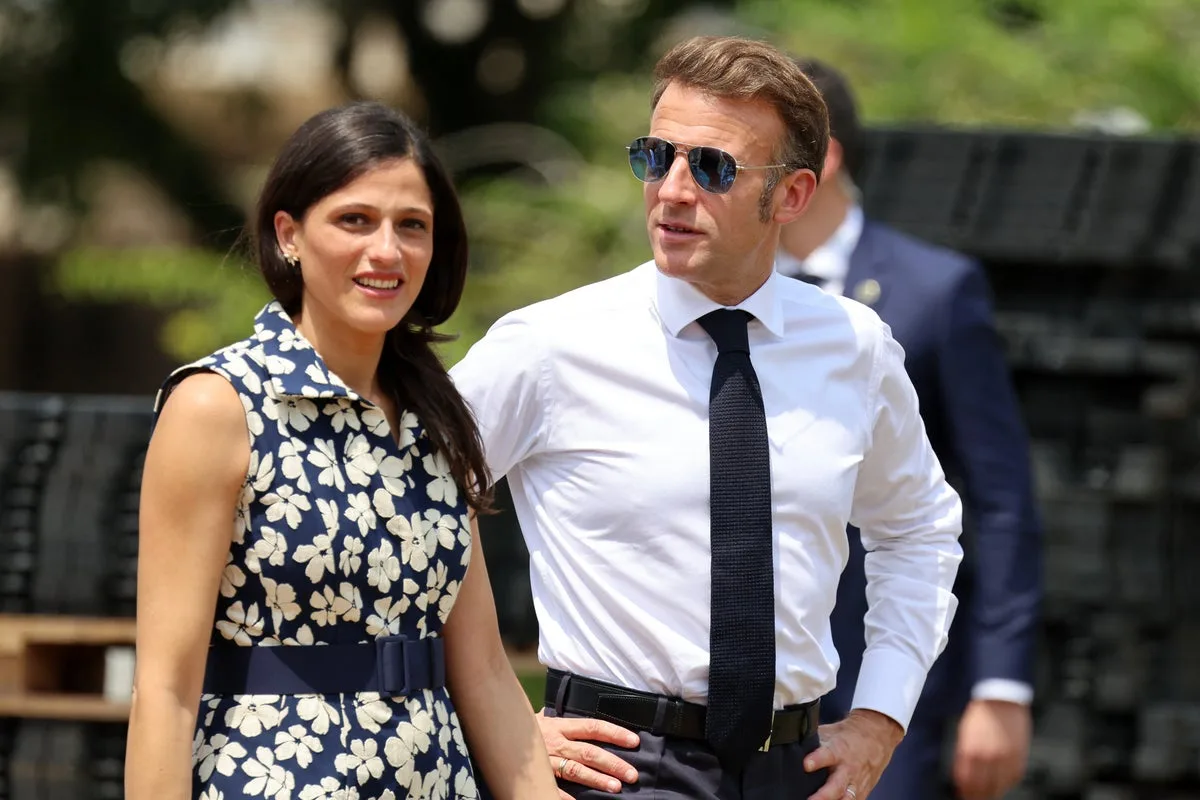
France is to prioritise foreign aid programmes in areas where the country has a strong self-interest or expertise, the minister for international partnerships has said. Éléonore Caroit told The Independent that France now explicitly seeks returns from its development relationships.
“Part of your development financing also needs to go into sectors where you have an interest, because you have a competitive advantage or particular know-how,” she said. Ms Caroit pointed to French expertise in trains, public transport and water treatment as priorities, rather than sectors like solar panels where France lacks an industry.
France has joined a host of nations in slashing aid budgets, cutting its spending five times in two years. The latest data shows France spent $13.8bn (£10.3bn) on foreign aid in 2025, down from a peak of $17.7bn in 2022. The 2026 budget confirmed cuts of £695m to the aid budget, an 18 per cent reduction compared to 2025.
Mikaela Gavas of the Center for Global Development said Ms Caroit’s comments reflect a broader European shift “deliberately steering development finance toward its own industrial strengths”. She warned that projects will increasingly be shaped by commercial interests rather than development needs or partner-country preference.
In contrast, the UK’s development minister, Jenny Chapman, has framed partnerships as sharing UK expertise rather than gaining direct returns. At a recent event, Baroness Chapman revealed the UK had discussed incorporating “national interest” into its aid strategy but decided against it. However, Ian Mitchell of CGD noted the UK’s new “communities of expertise” hubs also reflect a desire to benefit UK strengths, even if the self-interest is more veiled.
Ms Caroit said France and the UK are “like-minded” in principle, emphasising that recipient countries should be “in the driving seat”. The US under Donald Trump has taken a more transactional approach, effectively closing USAID and demanding health data and mineral rights in return for aid.