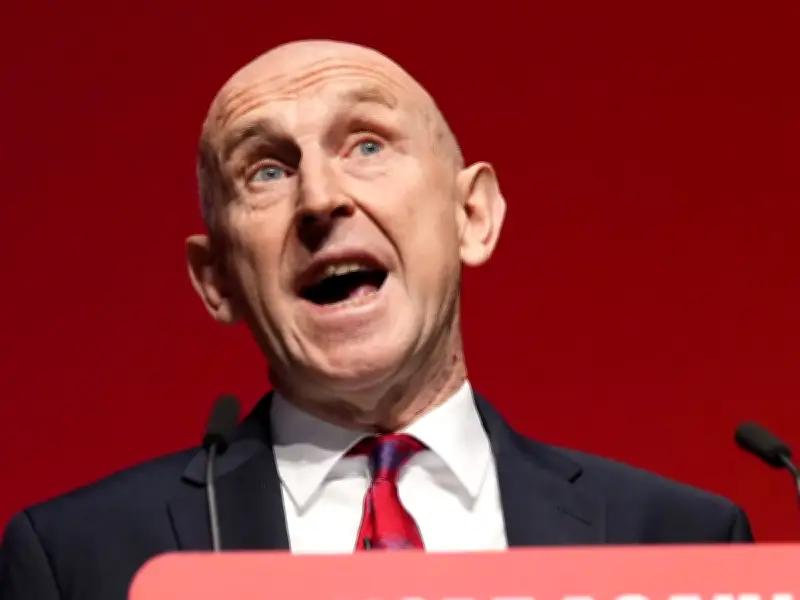
Chancellor John Healey has announced five cost of living changes ahead of the Autumn Budget 2026, covering areas from fuel costs to parental pay and support for unpaid carers.
The Chancellor is set to address the nation today as part of the Autumn Budget 2026. He will discuss a range of topics to move "money and power out of Westminster, and into every postcode around Britain".
Everyday fixes to tackle the cost of living crisis
He recently shared five everyday fixes which aim to tackle the cost of living crisis. Millions of families will benefit from the changes announced by the Chancellor, whether it be saving money on food shops or reducing cost of fuel.
The package will tackle costs people face every day, from doing the weekly shop to supporting people who rely on their cars for work, while extending support to new parents and fixing an unfair cliff edge that can penalise unpaid carers for earning more.
This is the latest in the Prime Minister Andy Burnham's series of "everyday fixes" designed to tackle everyday frustrations, save families time and money and give them more room to breathe.
Key changes: mileage rates, parental pay and Carer's Allowance
The Chancellor is locking in the 55p per mile rate for the first 10,000 business miles and increasing the rate above 10,000 miles from 25p to 35p per mile, supporting around three million employees and self-employed people who use their own vehicle for work.
Parental pay is being extended to more than 150,000 additional parents per year. This includes self-employed dads and partners who have previously missed out, giving eligible parents two weeks of support currently worth up to £194 a week so they can spend more time with their child.
Unpaid carers will no longer lose their entire allowance simply for earning a penny over the Weekly Earnings Limit, equivalent to 16 hours of the National Living Wage. Instead, only £1 of support will taper away for every additional £1 earned.
Tariff removals and Post Office upgrades
The government will help lower import costs on family favourites including baked beans and chocolate, while also supporting farmers facing higher fertiliser bills and households that rely on kerosene heating oil. Together with tariff suspensions already introduced, households could save up to £21 on their food shop each year.
Hundreds more Post Office drop boxes are being rolled out, bringing the total to 1,000, making it easier and more convenient for people to send and return parcels without having to queue at a Post Office counter, helping take some of the hassle out of everyday errands in the run-up to Christmas. This comes alongside upgrades to 600 Post Office branches by the end of the financial year, improving services for customers across the country.