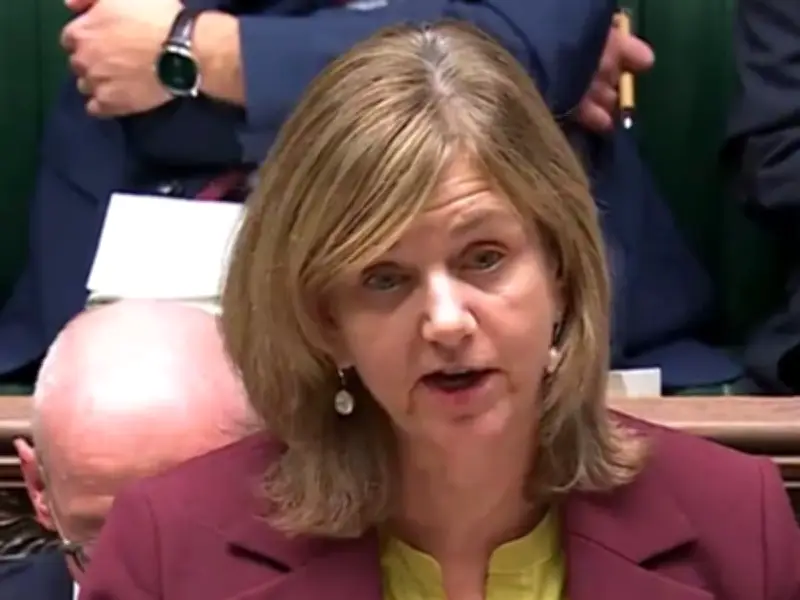
The Department for Work and Pensions (DWP) is pressing ahead with a major reform of the Child Maintenance Service (CMS) that will end the fee-free Direct Pay system and introduce charges for parents who currently pay nothing. The changes, confirmed in a parliamentary update by DWP minister Lilian Greenwood, are designed to boost enforcement powers and improve payment compliance, but they will also mean some receiving parents face new fees.
End of Direct Pay and new fee structure
Under the current Direct Pay system, separated parents arrange their own child maintenance payments once the CMS has calculated what is owed, and the CMS charges no fees. The DWP argues this system is flawed, leaving many people underpaid and paid late, and forcing recipients to chase former partners for money. It also says the arrangement can create opportunities for economic abuse and can be distressing for victims of domestic abuse.
The government plans to replace Direct Pay with a single service model where the CMS monitors and transfers all payments. Under this new system, receiving parents in arrangements that are currently fee-free would start paying a charge. The DWP says the fees will offset the investment needed for the reforms and contribute to the cost of using enforcement powers.
Impact on children and charges
Edward Morello, a Dorset MP, asked the DWP about the potential impact of charges on children where people do not currently pay them. DWP figures suggest there are many arrangements currently paid on time and in full, with no historic issues such as domestic abuse, and these would still see the CMS start charging fees. In its response, the department argued the changes are necessary but did not directly address the impact on children where receiving parents will start being charged.
Minister Lilian Greenwood said: “Evidence gathered by the Department has highlighted significant shortcomings with Direct Pay. Under Direct Pay, the CMS is unable to routinely monitor whether payments are being made in full or on time, meaning non-compliance can go undetected until a parent reports a problem.” She added: “Research tells us that only 60% of receiving parents in Direct Pay reported getting all of the child maintenance they are owed, and only 40% of them reported receiving it always on time.”
New charges for Collect and Pay users
There are around 450,000 Direct Pay arrangements currently in place in the UK. Under the reforms, the DWP says a compliant paying parent would see their charge cut from 20 per cent to 2 per cent, but everyone loses the fee-free Direct Pay route, so parents who currently pay each other directly at no cost would start paying the 2 per cent instead. There are also 350,000 people using the Collect and Pay system, where the CMS is directly involved.
Under the current Collect and Pay system, a paying parent is charged an additional 20 per cent on top of payments, and the receiving parent is charged four per cent. Under the proposed new system, the paying parent's charge would fall to 2 per cent if payments are made on time, but remain at 20 per cent for those who miss deadlines. The receiving parent's charge would decrease from four per cent to two per cent. Parents paying via a deduction from benefits would not be liable for the 20 per cent non-compliance charge, according to the government.
Concerns over reform effectiveness
The changes come amid concern that the existing system is not working. The BBC show Panorama reported in August on the impact of failures in the existing set-up, with one mother saying she had been left £10,000 out of pocket and relying on food banks, while another said she had to skip meals. The House of Lords Public Services Committee Report on Reforming the Child Maintenance Service said it was not convinced the reforms would work, noting that staffing at the CMS was too overstretched. The committee said: “While we acknowledge that reforms will improve visibility of non-compliance in CMS arrangements, we are not persuaded that the Government have adequately evidenced that this approach will lead to higher compliance in child maintenance payments.”