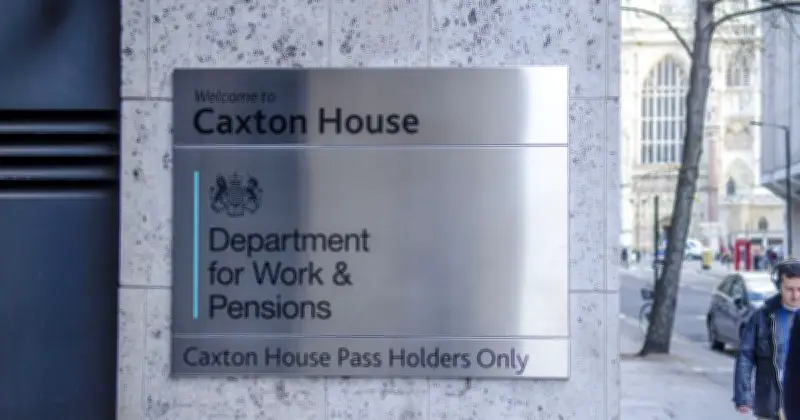
The Department for Work and Pensions (DWP) has confirmed new Pension Credit rates, with the standard minimum guarantee set to rise to £247.30 a week for a single pensioner and £377.40 a week for a couple from April.
Pensions Secretary Pat McFadden announced the increase, which applies to both older and younger state pensioners, following the latest Autumn Budget. The rates were recorded in Parliament by Hansard.
Increase in line with earnings
McFadden confirmed that the standard minimum guarantee in Pension Credit will increase by 3.9%, in line with the increase in average weekly earnings. While some elements of the state pension are increased by the triple lock, not all are automatic and have to be increased by the Government directly.
Pension Credit is a pension-age benefit paid to those on low incomes. It is means-tested, so it takes into account a state pensioner's total income, including work income, property income and savings.
Who can claim Pension Credit
For those on low incomes, including state pensioners with an incomplete National Insurance record - meaning they are not getting the full state pension - or older pensioners with a full record but only the old state pension, Pension Credit can top up income.
The average amount it tops up income to is £4,500 per year, but hundreds of thousands of people who are eligible to claim it still are not doing so.
What counts as income
The DWP explains that income includes State Pension, other pensions, earnings from employment and self-employment, and most social security benefits such as Carer's Allowance.
Not all benefits are counted as income. For example, the following are not counted: Adult Disability Payment, Attendance Allowance, Child Benefit, Christmas Bonus, Council Tax Reduction, Disability Living Allowance, Housing Benefit, Pension Age Disability Payment, Personal Independence Payment, Scottish Adult Disability Living Allowance, and social fund payments like Winter Fuel Payment.