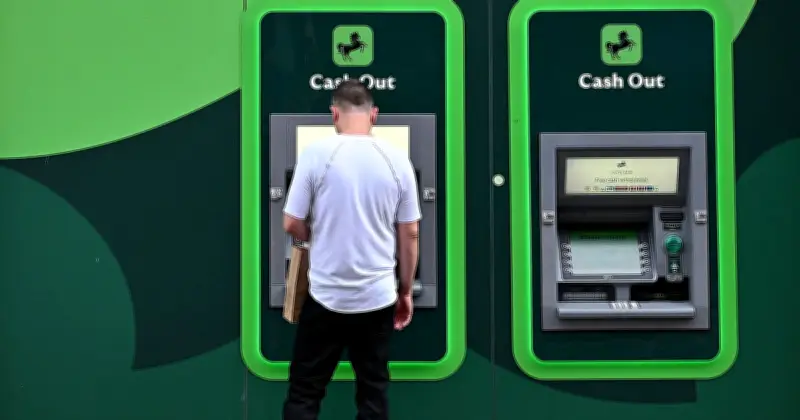
The Department for Work and Pensions (DWP) can recover money owed to the Government directly from individuals' bank accounts by issuing a Direct Deduction Order (DDO) to their bank. As part of a crackdown on fraud or error, the DWP will identify which bank account an order should be applied to and instruct banks by giving them the sort code and account number, or other identifiers.
How the DWP obtains bank information
An Account Information Notice (AIN) is issued by the DWP to a bank, requiring it to provide a period of recent bank account statements for an account. The notice will contain the name of the person and identify the relevant account or accounts.
"Money owed to DWP can now be recovered from an individual's bank account by issuing a direct deduction order to their bank for repayment," the Government says. "In the most serious cases where individuals have persistently and deliberately evaded repayment of debt, DWP can apply to the court to temporarily disqualify an individual from holding a driving licence where the court is satisfied that the debtor had the means to repay and did not without good reason."
Recovery process and checks
Officials have powers to issue a DDO to banks to recover debts directly from individuals' bank accounts. In serious cases, "where recovery by any other means is not reasonably possible", the DWP can apply to the court for a suspended disqualification from driving order. Officials can recover money owed to the Government directly from people's bank accounts — including joint accounts, or some accounts used for business purposes — through "regular or lump sum direct deductions".
The Government says "DWP will conduct checks for DDO suitability, including checks for any vulnerable circumstances, based on information held by DWP. They will also use Credit Reference Agency information to identify bank accounts held by individuals which may be suitable for a DDO."
"Once bank accounts are identified, DWP will then decide if it is appropriate to contact the bank to request statements or information about any other accounts held with that bank." If the DWP and individual do not reach "an agreed payment plan", it will "obtain and consider bank statements and other bank account information, so that any action taken to recover the debt from an account is fair and affordable".
What banks can disclose
Officials will also "determine whether the individual can afford direct deductions from their bank account to repay the debt" and "help to identify and consider essential living expenses, and ensure any relevant protected incomes are identified, so that the amount of any DDO is fair and affordable". The Government will also "look for reasonably obvious indicators of financial hardship".
"Considering bank account statements and information ensures that recovery decisions are based on the most up to date evidence of the individual's ability to repay," it adds.
"Authorised Officers" may require information about people within a family "only where their circumstances are directly relevant to the benefit claim being investigated", officials say. As an example, they use a person who "is claiming an income related benefit but not declaring their partner's earnings, as well as enquiring about the claimant". Officers could make enquiries in relation to the partner's bank account too, the Government says.
Banks can disclose the following five things: account holders' names; account numbers and sort codes; details of linked and joint accounts; information about balances; and dates of transactions abroad. Benefits and Work notes that banks "cannot supply full statements, transaction histories, spending details, specific transaction locations or sensitive information such as religious beliefs". The site adds: "The DWP cannot access your online banking or watch your account in real time."