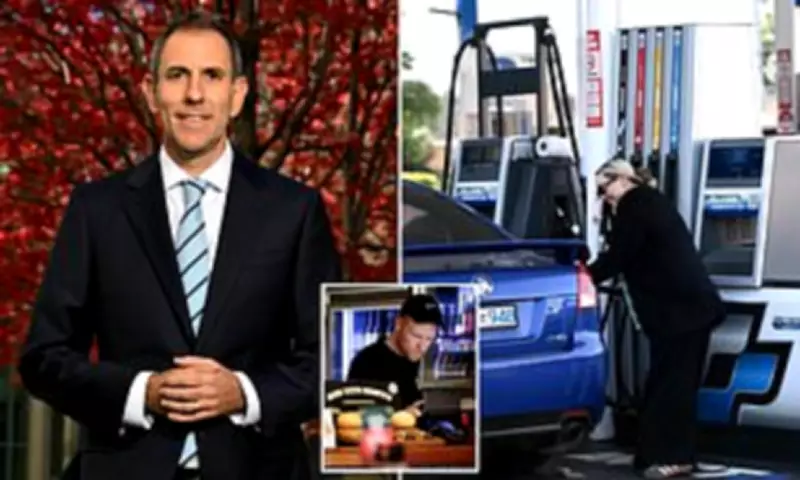
Treasurer Jim Chalmers has pledged that his fifth Federal Budget will prioritize 'saving more than we spend' as Australia grapples with deteriorating economic conditions. The announcement follows Reserve Bank Governor Michele Bullock's call for the government to curb spending, coupled with an interest rate hike to 4.35 per cent, further pressuring mortgage holders.
Chalmers stated: 'In the upcoming Budget, we'll continue that record of responsible economic management by saving more than we spend and banking all upward revisions to revenue. This Budget will be focused on fuel security, addressing inflation, boosting productivity and resilience, and managing global economic uncertainty.'
Key Budget Measures
Fuel Excise Cut
A reduction in fuel excise has already been factored into the Budget, cutting 26 cents per litre of petrol or diesel. Announced on March 30, the measure halves the tax for three months until June 30, reducing the cost of a 65-litre tank by nearly $19. A decision on its extension remains pending. Prime Minister Anthony Albanese confirmed a fuel security and resilience package worth over $10 billion, aimed at securing near-term fuel and fertiliser supplies, establishing a government-owned fuel reserve of around one billion litres, and increasing the Minimum Stockholding Obligation by about 10 days for each fuel type. This supports expanding onshore fuel reserves to ensure at least 50 days of supply for diesel and aviation fuel.

NDIS Cuts
The government has flagged substantial cuts to the National Disability Insurance Scheme (NDIS), with savings of $15 billion over four years. The scheme, currently costing about $49 billion this financial year, surpasses Medicare and is approaching defence spending, projected to reach $62 billion by 2028-29. Chalmers described NDIS savings as the 'single biggest source of savings in the budget,' targeting a reduction in annual growth from 10 per cent to between 5 and 6 per cent. Health Minister Mark Butler confirmed eligibility changes would aim to reduce participant numbers to 600,000 by 2030, potentially removing 160,000 individuals from the scheme. The NDIS budget is expected to decrease from $70 billion to $55 billion.
Tax Breaks for Workers
Rumours suggest a one-off tax break for workers, potentially an income offset of $200 to $300, applicable to the next financial year for earned income only. Additionally, the Budget is expected to incorporate earlier tax cut announcements: a proposed standard deduction of up to $1,000 for work-related expenses without receipts for the 2026-27 financial year, benefiting 6.2 million workers. For those at the top tax rate of 45 cents per dollar over $190,000, a $1,000 deduction could reduce tax by up to $450 or $470 including the Medicare levy. From July 1, the Labor government will reduce the 16 per cent tax rate to 15 per cent for income between $18,201 and $45,000, with a further reduction to 14 per cent from July 1, 2027.
EV Tax Break Changes
The fringe benefits tax exemption for electric vehicles (EVs) will be phased out. Initially allowing employers to avoid tax on EVs under $91,387 purchased via novated lease, the incentive will transition to a 25 per cent discount. The cost of the tax break ballooned from $90 million to $1.35 billion in 2025-26, expected to reach $3 billion by 2028-29. A phased tightening will save $1.7 billion over four years from 2026-27. From April 2027, the full discount will apply only to EVs costing $75,000 or less, with a 25 per cent discount for vehicles between $75,000 and the luxury tax threshold.
Intergenerational Fairness
The Budget is widely expected to address negative gearing, capital gains tax (CGT) discounts, and trust fund taxation, though specifics remain unconfirmed. Chalmers emphasised 'intergenerational fairness,' avoiding setting Australians against each other. Speculation includes reducing the CGT discount from 50 to 33 per cent for investment properties or reverting to a pre-1999 inflation indexation model. A minimum tax rate of 25 to 30 per cent on trust distributions is also rumoured.

Health Insurance for Over 65s
From April, Australians over 65 will no longer receive discounted rebates for private health insurance, resulting in an extra $200 per year. Health Minister Mark Butler acknowledged the decision's unpopularity but deemed it necessary, as older Australians currently receive eight per cent more in rebates than younger people on the same income.
Defence Spending
An additional $53 billion will be allocated to defence over the next decade, lifting military spending to three per cent of GDP. This move appears aimed at appeasing the US administration, which criticised Australia's previous spending levels. The investment will focus on infrastructure, including drones and long-range missiles, with a longer-term goal of building self-reliance.