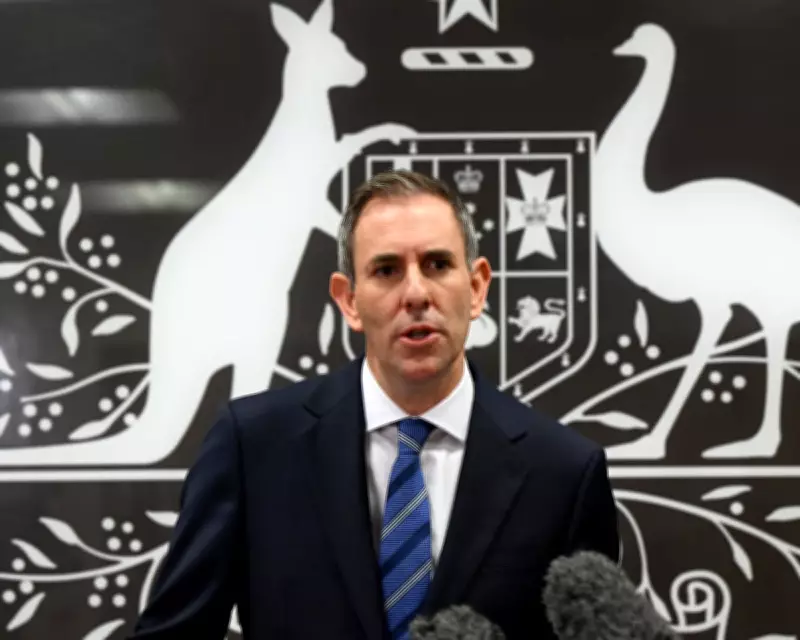
Treasurer Jim Chalmers has indicated that massive paper profits already earned by property investors will be shielded from Labor's changes to the capital gains tax (CGT) discount. In an interview on the Commonwealth Bank's podcast, Chalmers stated that any new tax rules would 'recognise the decisions that people have taken in the past'.
Grandfathering Approach Likely
The treasurer is widely expected to modify the 50% tax discount on profits from the sale of assets held for more than one year, potentially returning to the pre-1999 model where capital gains are adjusted for inflation. With negative gearing rules also under consideration, investors and experts have called for 'grandfathering'—applying changes only to new investments.
Chalmers said the government is mindful of 'transitional issues', suggesting that only future gains on existing investments would be subject to new CGT rules. 'Without getting into hypotheticals about policies, what you try and do is to make sure that we recognise the decisions that people have taken in the past,' he told the CommBank View podcast.

Revenue Implications
Luke Yeaman, CBA's chief economist and former Treasury deputy secretary, noted that applying new tax rules only to investments made after budget night would be 'simple, clean'. However, he warned that partial or staged grandfathering could add complexity. Chalmers cautioned that even with changes, 'people shouldn't expect there to be this huge amount of new revenue show up over the course of the next few years in the budget'.
The Grattan Institute calculated that halving the CGT discount and phasing it in over five years would generate $6.5 billion annually. In contrast, a fully grandfathered package—returning to inflation-adjusted CGT and scrapping negative gearing—would generate only $2 billion in extra revenue in the first four years, though gains could reach $25-30 billion over ten years.
Impact on Housing Market
Chalmers signalled that scaling back tax breaks for landlords may not necessarily lower home prices but could rebalance home ownership towards owner-occupiers. 'We're not trying to target a certain change necessarily in price,' he said, noting long-term trends in declining home ownership rates relative to investors.
Economic modelling suggests that changes to investor tax settings could lower home prices by 1-4% and lift home ownership rates by three percentage points. Chalmers emphasised that boosting housing supply remains 'the main game' for affordability, while also focusing on the composition of home ownership.