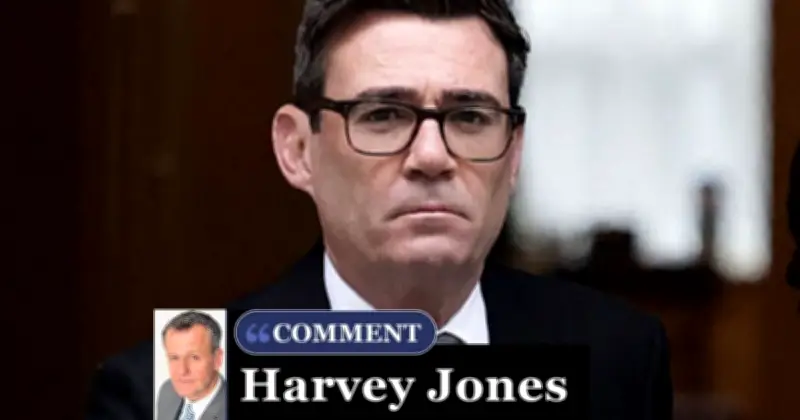
Andy Burnham has pledged to replace the state pension triple lock after the 2030 general election, assuming he wins it. Currently, the state pension rises each year by inflation, earnings growth or 2.5%, whichever is highest. Burnham wants to drop the automatic earnings link, effectively turning it into a double lock.
He played down the change as an “adjustment”, but pensioners are right to be fearful. This is more than just tinkering. It will seriously weaken the triple lock.
The Earnings Link Is the Most Important Part
As pensions campaigner Ros Altmann pointed out: “Dropping the earnings link removes the most important part of the triple lock.” Protecting pensioners means ensuring their incomes keep pace with earnings, not just inflation. Yet that’s the element Burnham wants to drop.
Altmann is also concerned about another part of his plan, which is so vague that he hasn’t explained how it would work. Burnham says the earnings link would be replaced by an alternative way of ensuring state pensions keep up with wages. How? We don’t know.
As Altmann warns: “That’s worrying because it will be left to future politicians to decide when and how to act. Nobody wants to rely on some future chancellor to play fair.”
What the Loss Would Look Like
The triple lock was introduced in 2011 precisely because the basic state pension had fallen so far behind earnings, plunging many into poverty. That's because for years, it had risen broadly in line with inflation. And it wasn't good enough.
Yesterday, September’s consumer price inflation figure came in at 3.5%. But earnings grew by 3.9% in the three months to July, so that will determine next April’s increase under the current triple lock. The full new state pension will rise by around £489 a year, taking it to around £13,068.
If Burnham’s proposed system was already in operation today, pensioners wouldn't have got that. They'd get a 3.5% increase instead, giving them roughly £50 a year less. That may not sound like a fortune, but it matters to pensioners on tight budgets.
Losses Would Build Over Time
And the loss would not stop there. Because future increases would be calculated from a lower starting point, so the losses would build over time. State pensioners will lose that £50 every year. Plus, they will use all future growth on that £50, so the value of that lost money will steadily compound and grow.
There will be other years when earnings outpace inflation, potentially by much more. Each time, pensioners could lose out under Burnham's, with the shortfall constantly compounding.
The triple lock was introduced precisely because the state pension was falling behind wages. The earnings link should be the last thing Burnham sacrifices, not the first. After all, wages help fund the state pension in the first place.
Altmann says pensioners “will understandably fear going back to the bad old days which the triple lock has helped move away from”. That’s exactly where Burnham’s plan risks taking them. And we’ve just had a small taste of the cost.