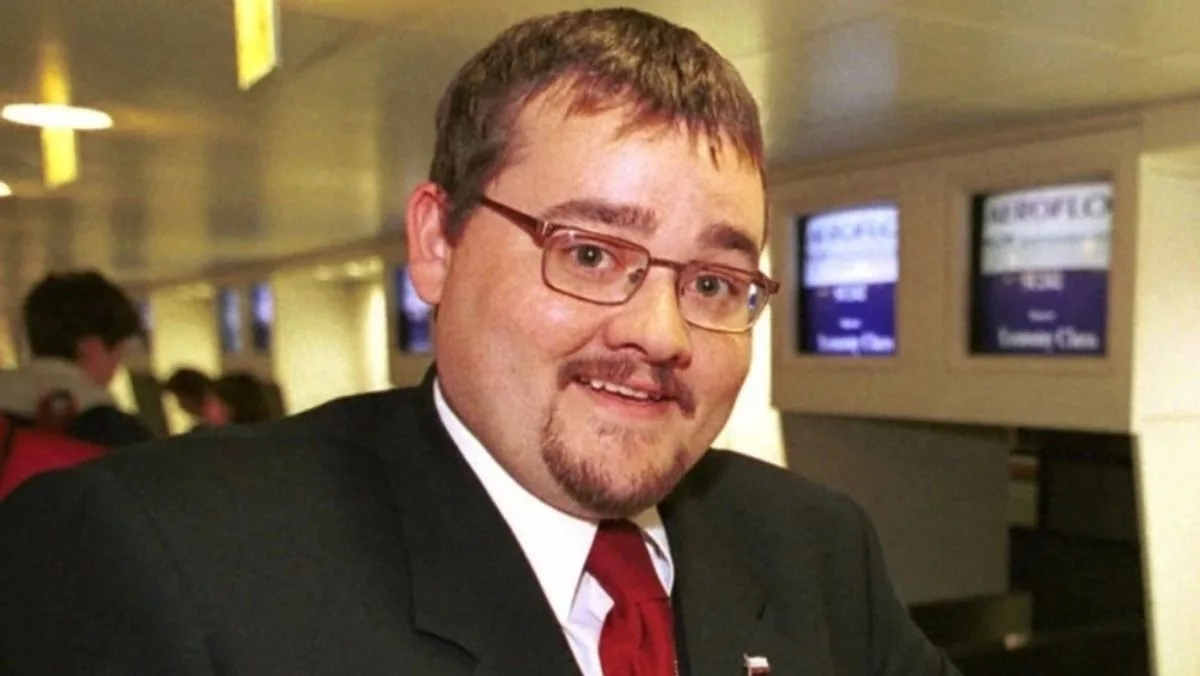
Andy Burnham is on track to become the country's 59th prime minister, but handing him the keys to Downing Street without a leadership contest would be bad for Labour, the country, and Burnham himself, warns an analysis by David Williamson, Chief Political Commentator. Coronations are for royalty, not politicians – not even Labour royalty.
Ipsos polling this month found only 13% of Britons – and just 13% of 2024 Labour voters – wanted Burnham to take over without a contest. Such a move would reek of entitlement, with a lifelong Labour insider who has just arrived in Parliament being handed the most powerful job in the country.
Stronger Prime Minister Through Competition
Burnham would arrive in Downing Street as a stronger prime minister if he goes through a competition. It would allow him to set out his vision and win a mandate to break with the Starmer-Reeves era. Labour MPs should look at the careers of Gordon Brown and Theresa May, who both entered office effectively unopposed but were less prepared than expected.

Gordon Brown won 313 nominations, with left-winger John McDonnell unable to trigger a formal race. The former Chancellor missed the chance to set out fresh ideas and secure his own mandate, and his government soon looked dog-tired. When he ducked out of an early election, it signaled he lacked the country's backing.
Lessons from Theresa May
Similarly, Andrea Leadsom did the Conservative party no favours when she pulled out of the July 2016 election contest, clearing the way for Theresa May to be installed. A campaign would have forced the longstanding Home Secretary to spell out what she meant with her vacuous statement that 'Brexit means Brexit'. She became PM without a clear mandate for the deal she would pursue with Brussels, and years of Brexit wars ensued.
The party missed the chance to assess her skills as a nationwide campaigner, which were disastrously exposed in the 2017 election when support for Jeremy Corbyn's Labour surged. Stuart Fox, a politics expert at the University of Exeter, summed it up: 'The path to Number 10 appears largely clear for Andy Burnham. This should worry the Labour party. Recent Prime Ministers, such as Theresa May and Gordon Brown, entered office effectively unopposed but were less prepared than expected. Weaknesses – like May's difficulty managing MPs or Brown's lack of a clear policy direction to move on from the Blair years – only became fully apparent once they were in government and very difficult to remove. A leadership contest might have exposed them earlier.'
Burnham's Strengths and Risks
Burnham – who has just won an emphatic victory in Leave-voting Makerfield and will not face a challenge from the energetic Wes Streeting – has little to fear from spending a few weeks on the campaign trail. It would give him a chance to introduce himself to citizens who have not paid much attention to his tenure as Mayor of Greater Manchester. There is goodwill to build upon: more than a third of the country (35%) think he will do a good job as PM, more than say the same for Kemi Badenoch (29%), Nigel Farage (27%), Sir Ed Davey (20%), or Zack Polanski (17%).
The biggest danger for Burnham is not that he loses but that in trying to win over the Labour membership and the trade unions, he rules out welfare reform or commits to spending hikes that will frighten the markets. But in a democracy, it is right that an aspiring PM faces questions from the people of Britain before moving into Number 10 and issuing instructions to submarine commanders about what to do in the event of a nuclear apocalypse. Burnham will need to win over the country at the next general election, and it would do him no harm to get some practice in early.