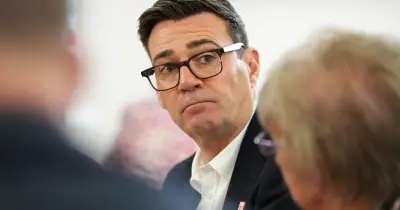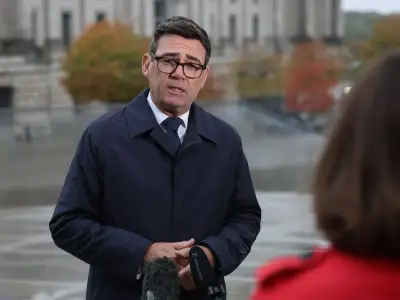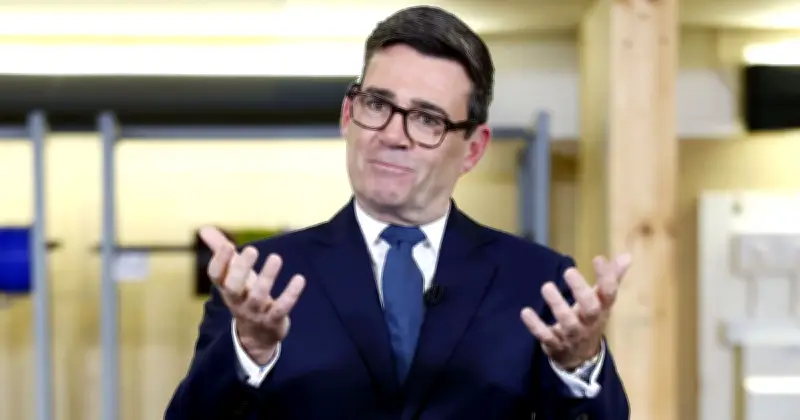
Andy Burnham has dodged questions on whether there could be a second Scottish independence referendum during his premiership. The Prime Minister said he set out his views on the issue “very clearly” while meeting First Minister John Swinney on a visit to Motherwell on Friday.
But when Mr Burnham was asked to rule out a second Scottish independence referendum during his time in Downing Street, he said: “I think unions of countries are better because you can face a challenging world in a more confident and stronger way, in my view, when you collaborate and you work together.”
Burnham urges collaboration despite differences
He said he had communicated his view to Mr Swinney, adding: “He has a different view, but let’s accept there’s a different view there and then work together on what we can agree on. My view won’t be changing, but let’s now move forward where we can make some progress.”
Mr Swinney is expected to promote his renewed push for independence in his keynote speech at the SNP conference on Saturday. He previously welcomed Mr Burnham telling MPs that a border poll would be considered in both Scotland and Northern Ireland if there was a clear consensus and public opinion had changed.
Tories challenge Labour's position
But Mr Burnham later pushed back on that by telling Mr Swinney that a second Scottish independence referendum remains “off limits”. Conservative leader Kemi Badenoch, who visited Glasgow on Friday, challenged Mr Burnham to rule out a second Scottish independence referendum.
When asked whether Mr Burnham should make an unequivocal statement on the issue, she said: “He should. The Conservative Party is very clear on that. Labour does not have a clear position.”
Prime Minister offers devolution olive branch
Mr Burnham said he wanted to “move beyond the old politics of conflict” as he offered to work with the SNP to deepen devolution in Scotland. The Prime Minister used his first major speech north of the border since entering No 10 to offer an olive branch to Mr Swinney, saying he wanted to work together on giving more power to local communities.
Describing Scotland as “one of the most centralised nations in Europe”, he said he wanted the country to benefit from the same opportunities offered by his drive to devolve more power to English regions. He said: “I want to make a serious and genuine offer to the Scottish Government. I want to move on from the old politics of conflict.”