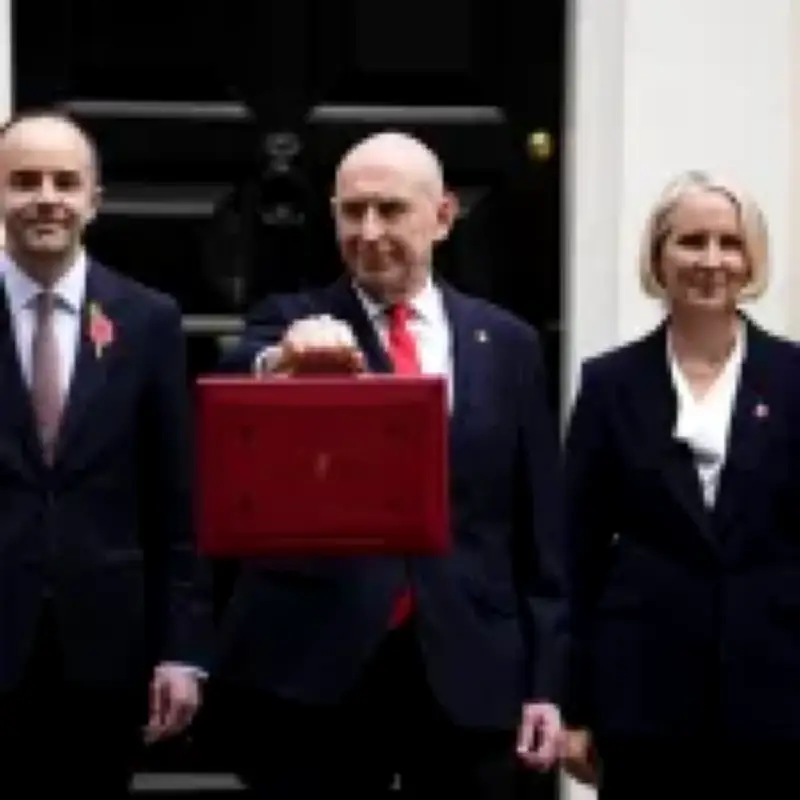
Chancellor John Healey has delivered a Budget he said was for the 'working people of Britain' and 'British businesses big and small', claiming Labour had kept its promise not to raise taxes on working people. He framed the announcements as a response to 'global economic storms' caused by the wars in the Middle East and Ukraine, which he said were driving up costs and inflation and hitting families and businesses. He said he wanted to provide 'breathing space now and fresh hope for the future' for hard-pressed families.
The measures will affect different households in different ways. Some people will be better off, while others may feel the pinch, particularly those who rely on income from property or savings. Here is how the announcements could affect you.
Energy Bills and Fuel Duty
The Chancellor said bringing down energy bills was a priority. The VAT cut on electricity, which was due to end in March 2027, will be extended until July 2027. It is expected to take around £50 off the annual Ofgem price cap in April 2027. Homes in council tax bands A to D in England could receive a one-off £100 Household Energy Payment from January 2027.
For longer-term savings, the government says it will only build new energy projects that lower bills, and it plans to abolish gas standing charges in Great Britain by the end of 2027. However, if standing charges are replaced by higher costs for each unit used, some households could end up paying more. 'The savings will depend heavily on individual circumstances,' said Edward Gurney, founding director of the Solar and Battery Company and an energy expert.
The fuel duty cut of 5p per litre, introduced on March 23, 2022, will be extended to July 1, 2027. The Budget estimates that fuel-duty decisions across this Parliament will leave the average car driver around £230 better off compared with the previous government's plans. The tax-free mileage rate for the first 10,000 business miles will rise from 45p to 55p a mile, and the rate for each extra mile will rise from 25p to 35p from April 6, 2027. The government estimates that someone doing 6,000 business miles a year could save up to £120 in tax, while someone doing 15,000 miles could save up to £300.
Wages, Carer's Allowance and Pensions
From April 1, 2027, the National Living Wage for workers aged 21 and over will rise by 3.9% to £13.21 per hour, adding £910 to the gross annual earnings of a full-time worker. The rate for 18- to 20-year-olds will rise to £11.27, while the rate for 16- to 17-year-olds and eligible apprentices will rise to £8.31.
The Chancellor said he will remove the 'cliff edge' in Carer's Allowance, where earning even slightly over the limit means losing the whole payment. Instead, earnings above the limit will be subject to a taper that reduces the benefit payment as earnings increase. The taper will be implemented during 2030-31 following the development of a new IT system.
From April 2027, people above State Pension age with total income up to and including the value of the new State Pension will not pay income tax thanks to a new Pension Tax Allowance. Around 500,000 pensioners are set to benefit, with around 290,000 paying no tax at all, according to Mr Healey.
Tax on Savings, Property and Businesses
Tax on income from property and savings will rise by a further two percentage points from April 2027, on top of the two-point rise announced last year. For savings income, the rates will be 24% for basic-rate taxpayers, 44% for higher-rate taxpayers and 49% for those paying the additional rate. The Chancellor said 84% of income-tax payers are forecast to be unaffected by the combined changes.
The planned cut to the cash ISA allowance from £20,000 to £12,000 has been reversed. Instead, the Chancellor will explore a new incentive for people investing in a stocks and shares ISA for the first time. Kevin Mountford, co-founder of savings marketplace Raisin UK, said his research shows that fewer than one in five people feel they understand the planned cash ISA changes. 'Today's change must be followed by a clear explanation of the allowance, who it applies to and when. Savers need certainty they can plan around,' he said.
For small businesses, the threshold for small business rates relief will rise from £12,000 to £18,000 for qualifying retail, hospitality and leisure properties in England. The tapered-relief threshold will rise from £15,000 to £21,000. The government says half of retail, hospitality and leisure properties in England will pay no business rates. From April 2027, Machine Games Duty will rise from 20% to 25% on higher-stake machines with stakes over £1.
Support for Parents, Renters and Side Hustles
From April 2029, eligible self-employed fathers, partners and adopters in Great Britain will be able to receive parental pay for the first time. The change will also help some people who are recently employed or unemployed, or have broken or irregular work patterns. The government estimates that more than 150,000 parents a year could benefit.
There was little to directly help renters in the Budget. However, the withdrawal charge for Lifetime ISAs used to buy a first home worth over £450,000 will fall from 25% to 20%. A new First-time buyer ISA will replace the current Lifetime ISA for new savers, and a scheme called Your First Home will help people buy newbuild homes in England. The new First Time Buyer ISA will not come in until 2029.
The tax-free Trading Allowance for side hustles will rise from £1,000 to £3,000 from April 6, 2027. The government also announced £10 million a year in alcohol duty relief for more than 2,000 small British brewers and cider makers. Tariffs on 100 products have been cut, including marmalade, baked beans, chocolate-coated wafers and gherkins, which the government says will save households up to £21 a year on their food shop.