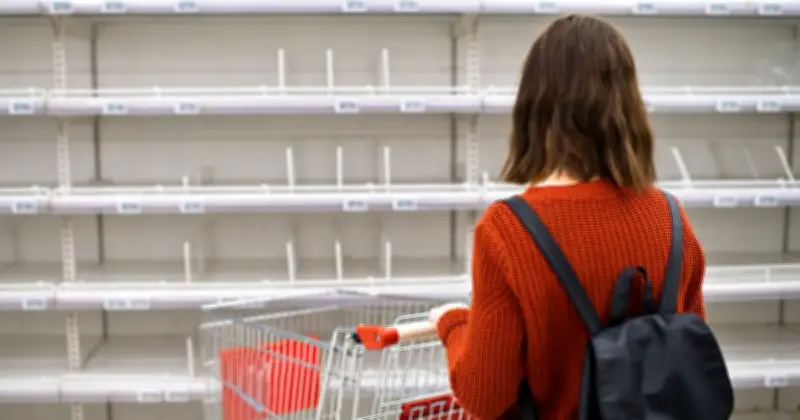
The Government has issued a new three-day rule, urging Brits to "be ready" for emergencies by stockpiling essential items. A checklist has been published to help households prepare for disruption that might be caused by extreme weather or threats from hostile state actors.
Defence Secretary Wes Streeting warned this week that businesses and individuals should be prepared "for the eventuality that there may be disruption to essential supply chains caused by hostile state actors or terrorists."
What the Government recommends
Households are advised to keep enough tinned food, bottled water, first aid kits, hand sanitiser, blankets and clockwork radios for three days. The Government states: "Being ready for 3 days helps you manage while support reaches those most in need. Doing this is easier than you might think. You could have some of the items at home already."
It adds: "You don’t need to do it all at once. Build up your readiness gradually over time by taking it step by step, and picking up an extra item or two when you can."
Three-year campaign launched
The Government has launched a three-year campaign "to help households across the UK feel better prepared." The measures are officially designed to ensure people can cope with extreme weather, but Mr Streeting also highlighted the threat from global enemies.
He said: "How would we cope if the payment systems of the supermarkets went down? Those are the sorts of everyday challenges and threats we could well face, and it is right we ask the country to be ready for those things and ask everybody to do their bit."
Items to stockpile for three days
- Water: 3 litres per person per day for drinking; more for cooking and washing.
- Food: non-perishable items with a long shelf life, such as tinned meat, fish or vegetables, dried fruit and nuts.
- Hygiene: hand sanitiser, wet wipes, and bathroom products.
- Light and warmth: torch and spare batteries, blankets, sleeping bags and warm clothing.
- Communication: FM radio and a charged power bank.
- Money and documents: cash, copies of IDs and important phone numbers.
- Medical: first aid kit, essential medication and medical supplies.
- Baby products: baby formula, nappies and wipes.
- Pet products: pet food and bottled water.
The Government added: "If you have any extra items, you could consider donating these to others who might not have the means to prepare their own households. You may be able to help someone by photocopying or printing important documents for them."