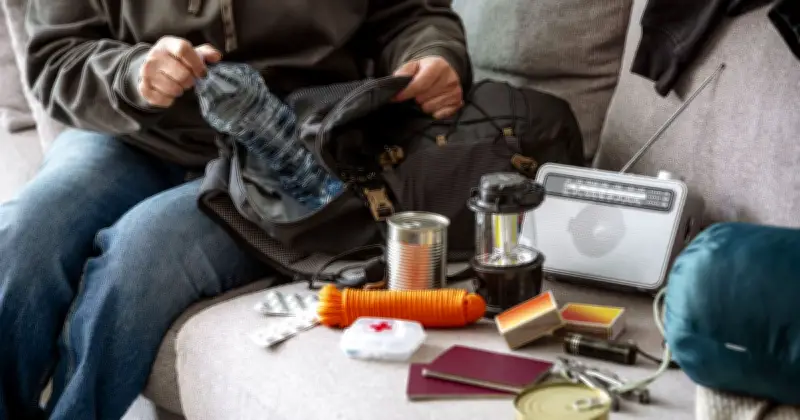
The UK Government has launched the Be Ready campaign, a three-year initiative to strengthen national resilience against threats including cyber attacks, flooding, wildfires and potential food shortages. Households are advised to keep enough essential supplies to manage for three days, allowing emergency services and other support to reach those most in need.
A new website offers a downloadable emergency kit checklist, encouraging people to check what they already have and gradually build up any missing items. The advice stresses that people do not need to purchase everything at once; instead, they can check their cupboards, identify gaps and pick up additional items during usual shopping trips.
Government Advice and Official Checklist
The Government recommends reviewing supplies every six months and speaking to neighbours about how they could support one another during an emergency. Defence Secretary Wes Streeting has previously called for a "whole society approach" to strengthening national resilience, insisting people should remain "alert not alarmed" about potential risks.
Speaking to The Sun, he said: "It's just a simple ask of people. Do they have what they need indoors, should they lose access to their online banking for a period? Should they have a power cut?"
The official checklist includes bottled water for three days (at least three litres per person per day for drinking), non-perishable food for three days, a torch, spare batteries, blankets, sleeping bags, warm clothing, a battery-powered or wind-up FM radio, a charged power bank, cash, bank cards, copies of identification and important documents, written emergency contact numbers, information about regular medication and dosages, a first aid kit, essential medication, other necessary medical supplies, ready-to-feed baby formula, nappies, baby wipes, pet food, bottled water for pets, hand sanitiser, wet wipes and hygiene products.
15 Essential Items You Might Forget
Beyond the official list, organisations such as the British Red Cross and the governments of Canada and the United States recommend these additional items:
- Manual tin opener
- Toilet paper and additional sanitation supplies
- Heavy-duty rubbish bags
- Water purification tablets
- Spare house and car keys
- Paper map of your local area
- Pen, paper and a written emergency plan
- Spare glasses or contact lenses
- Duct tape
- Whistle
- Work gloves and basic hand tools
- A change of clothes and sturdy footwear
- Face masks or suitable respirators for specific hazards
- Extra water for cooking, washing and cleaning
- A grab-and-go emergency bag
The aim is to help households remain self-sufficient for a short period if everyday services are disrupted, rather than encourage panic-buying or extensive stockpiling. The full official checklist is available at the Government's Be Ready website.