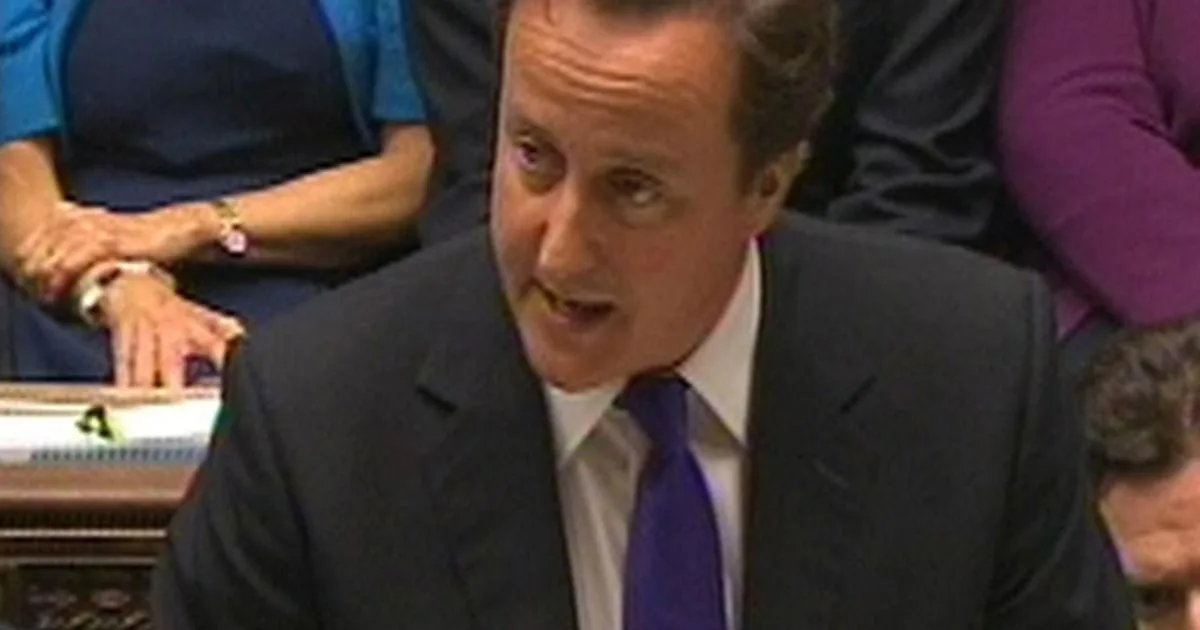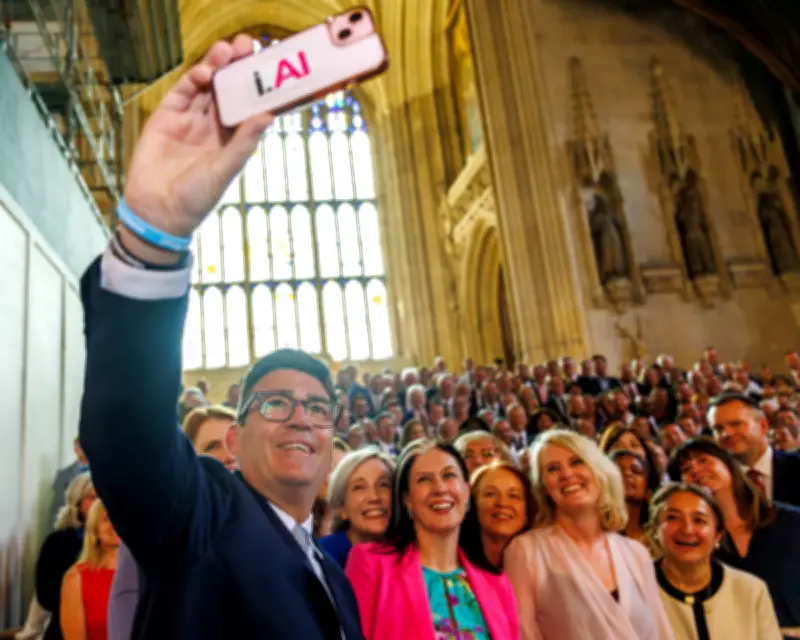
Andy Burnham has become Britain's seventh prime minister in ten years after Labour MPs ousted Keir Starmer in a party coup. The move, described by columnist Simon Jenkins as a rejection of the electorate, comes less than two years after Labour's 2024 general election victory under Starmer's leadership. Burnham, who had not been an MP since 2017 until winning the Makerfield seat in a by-election last week, now faces the challenge of governing with a divided party and a struggling economy.
Starmer's Ouster: A Blow to Democratic Norms
Jenkins argues that Starmer's removal humiliates not only the former prime minister but also parliamentary democracy. Starmer, who presented a moderate Labour programme in 2024, has faced hostile economic forces and declining public services. Despite clashes with backbenchers over welfare and controversial appointments like Peter Mandelson, there is no evidence of gross misconduct. Most governing parties would support a leader for at least one term, but Labour's internal divisions have prevailed.
The decision reflects a trend of short-lived premierships. Jenkins points out that Rishi Sunak, the previous prime minister, noted at his last G7 summit in 2024 that all leaders were unpopular; only two remain in office. Across Europe, populist movements are surging, driven by social media negativity, threatening centrist politics.

Burnham's Ambition and Limited Record
Burnham's claim to Downing Street rests on his current popularity among Labour MPs, not a national mandate. His programme, so far only endorsed by Makerfield voters, includes vague pledges to 'give people a bit more money' and 'change'. He has twice run for Labour leader, losing to Ed Miliband and Jeremy Corbyn. As mayor of Greater Manchester, his reputation for innovation is disputed; council leader Bev Craig is credited as the economic brains behind the operation, while Burnham's main achievement is running buses.
Jenkins warns that Burnham faces a period of uncertainty, hesitation, and weakness. If elected, his personal warmth might motivate reform, but much depends on his cabinet and private office. He will need experienced help, especially in dealing with global challenges like US President Donald Trump.
Labour's Self-Inflicted Wound
Labour's exceptional majority in 2024 was largely due to the rise of Reform UK splitting the right-wing vote, not a leftward swing. The party should avoid appearing as disunited as the Conservatives, yet internal ambition has overtaken national interest. Wes Streeting, who resigned as health secretary last month, backed Burnham despite leaving NHS reforms incomplete. The party's focus on Westminster conspiracies over policy debates undermines its credibility.
Jenkins concludes by deploring Labour's treatment of Starmer and wishing him well in retirement. The nation must hope Burnham succeeds, but the immediate outlook is bleak.