The UK government has unveiled plans to introduce voluntary social media curfews for 16 and 17-year-olds, preventing them from accessing platforms between midnight and 6am by default. Online safety minister Kanishka Narayan stated that these measures will make Britain the safest place for children to be online.
Details of the Proposed Measures
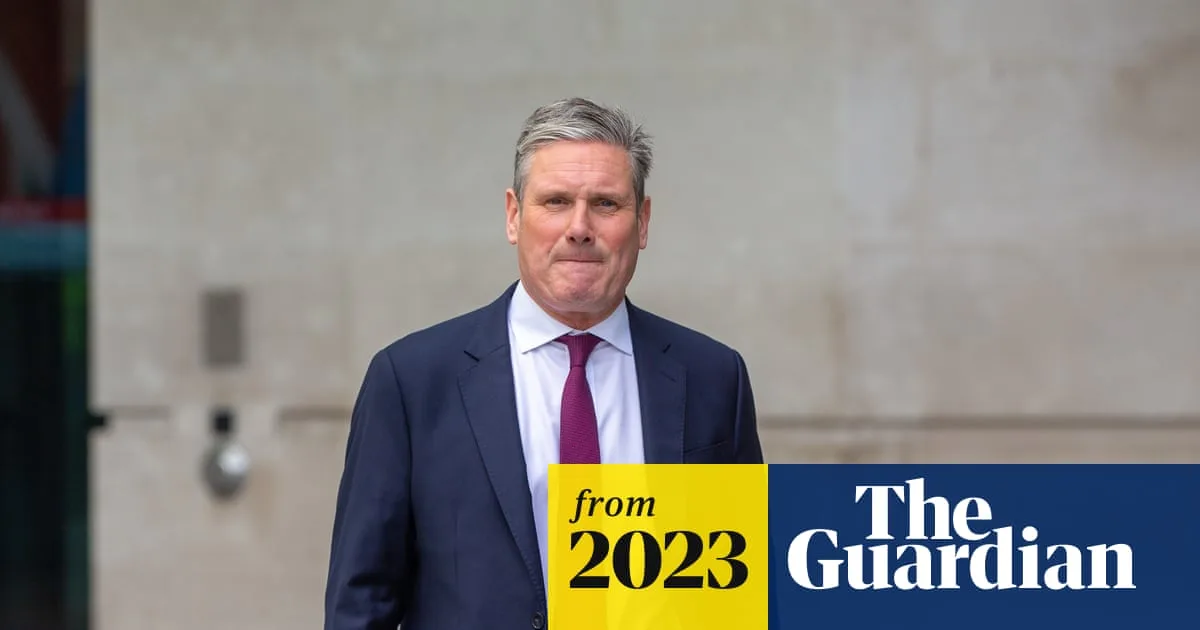
Technology Secretary Liz Kendall announced the plans on Wednesday, which also include turning off addictive features such as auto-scrolling and algorithmic feeds for teenagers. The curfew is part of a broader package that builds on Prime Minister Sir Keir Starmer's previous announcement of a social media ban for under-16s.
Mr Narayan defended the voluntary nature of the curfew, noting that government trials involving over 300 teenagers and parents across the UK showed that 90% of teenagers would not disable the restrictions. He argued that this approach empowers teenagers and avoids a 'cliff edge' after they turn 16.

Impact and Support
According to the Department for Science, Innovation and Technology (Dsit), families in the pilot reported that overnight curfews helped improve sleep and concentration. The proposals also require under-18s to take regular breaks while using chatbots and crack down on AI services providing dangerous or unverified mental health advice. Ministers are considering banning chatbots that pose a serious threat to children.
Children’s Commissioner for England Dame Rachel de Souza welcomed the announcements as 'a positive step' that responds to young people’s demand for more protection online. She said: 'Young people tell me they try to cut down social media use but find it hard – so restrictions on infinite-scrolling are welcome.'
Criticism and Concerns
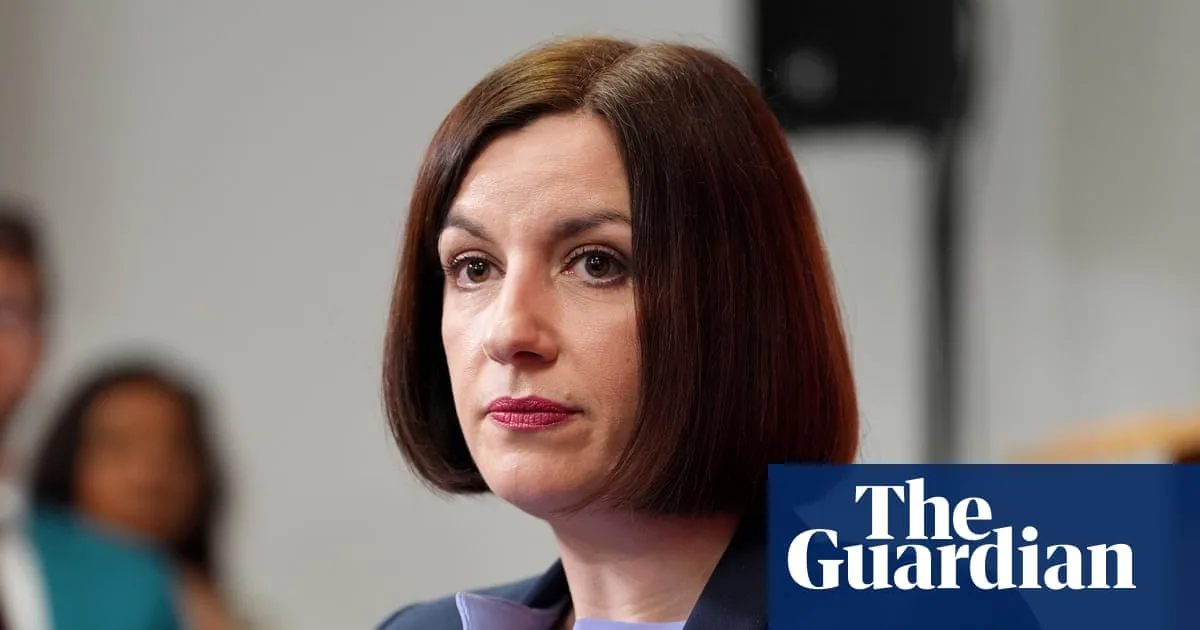
The Conservatives criticized the plans, with shadow education secretary Laura Trott calling them a 'dog’s dinner' and urging a focus on banning social media for under-16s. She said: 'Either they think 16 and 17-year-olds should be on social media or they don’t, but curfews they can simply switch off won’t achieve anything.'
NSPCC chief executive Chris Sherwood acknowledged the proposals go 'some way' to improving young people’s online experience but warned they are insufficient alone. He said: 'Unless they’re followed up with further, stronger measures, they will be a sticking plaster that fails to address the addictive design features which are driving high screentime and undermining children’s wellbeing.'
New guidance for children, parents, and guardians on safe AI use will be published, and media literacy teaching will be strengthened in schools from September.